


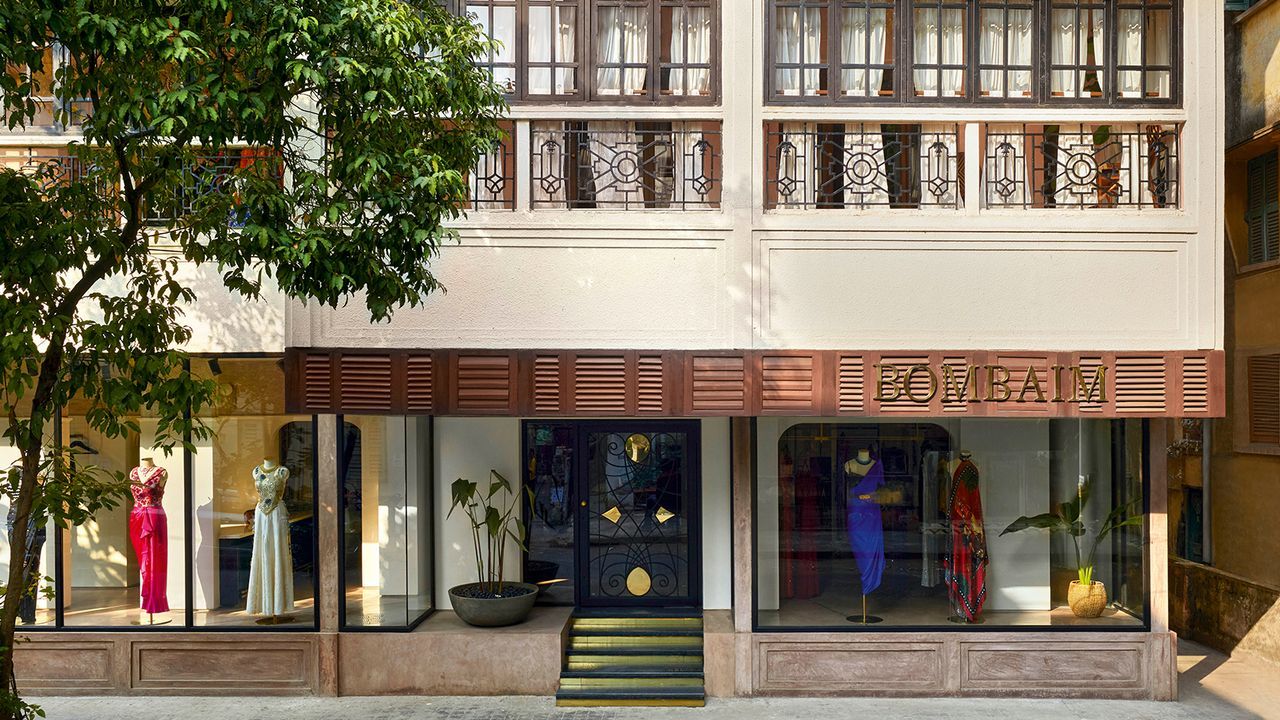
A major retail redevelopment in central Kolkata is signalling renewed investor confidence in legacy high street markets, as one of India’s oldest footwear brands unveils a redesigned flagship outlet near the city’s historic commercial district. The move reflects a broader transformation underway in urban retail, where heritage locations are being repositioned to attract younger consumers while responding to changing shopping habits.
Located near the landmark Grand Hotel area, the upgraded retail space arrives at a time when Kolkata’s traditional shopping corridors are facing pressure from malls, e-commerce growth and shifting consumer expectations. Urban economists say the redevelopment of long-standing storefronts into experience-led destinations could help revive footfall in ageing commercial zones without triggering large-scale displacement associated with newer retail formats.The revamped outlet forms part of a wider trend in Indian cities where established brands are investing in flagship retail spaces to strengthen physical engagement despite growing online sales. Analysts tracking the retail property market note that premium high street corridors in cities such as Kolkata, Bengaluru and Hyderabad are witnessing renewed leasing activity, particularly in areas with strong transit access and historic urban identity.The project also highlights the growing importance of adaptive commercial reuse in dense city centres. Rather than expanding outward through new construction, several retailers are opting to modernise existing properties in established districts. Urban planners argue that such strategies can reduce construction waste, preserve architectural continuity and support more walkable retail ecosystems.
Kolkata’s central business areas have historically relied on mixed-use development patterns where commerce, hospitality and public activity coexist within compact neighbourhoods. Experts believe investments in upgraded retail infrastructure could improve the viability of these districts by encouraging longer visitor stays and supporting nearby food, transport and service economies.However, specialists caution that retail-led urban renewal must remain inclusive. Rising commercial rents and premium repositioning often place pressure on smaller independent businesses operating in heritage precincts. A senior urban development consultant said city authorities may eventually need policy tools that balance commercial modernisation with affordability protections for local traders and informal workers.The emergence of experience-focused retail environments also reflects changing consumer priorities. Modern shoppers increasingly expect integrated digital services, accessible layouts and energy-efficient interiors. Sustainable retail design including low-energy lighting, material reuse and improved indoor comfort is gradually becoming a differentiator in India’s evolving commercial real estate market.
The flagship retail upgrade further reinforces Kolkata’s role as an important consumption and lifestyle market in eastern India. Real estate observers say renewed investment in visible urban retail assets can improve investor sentiment across surrounding commercial streets, particularly in districts linked to tourism and hospitality activity.As Indian cities continue adapting to post-pandemic retail patterns, the future of high street commerce may depend less on expansion alone and more on how effectively older urban districts are modernised without losing their cultural and economic character.
Read More : New Gurugram Growth Signals Real Estate Transformation
