


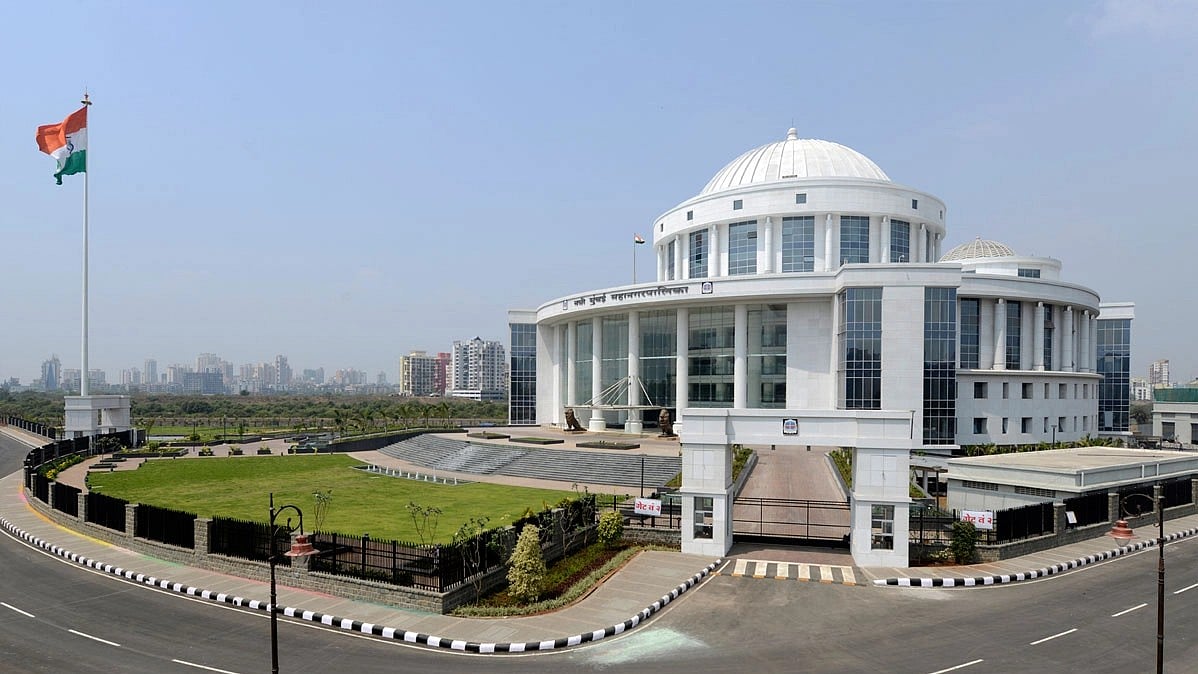
Navi Mumbai’s Sankalp Welfare Association has urged the municipal authorities to integrate common underground utility ducts in all current and future road infrastructure projects, highlighting concerns over repeated road excavations that burden citizens and deplete public funds. The NGO’s representation to the Navi Mumbai Municipal Corporation (NMMC) Commissioner comes amid fresh digging activities at Parsik Hill for water pipeline installation, despite the roads being in pristine condition.
Officials from the NGO allege that recurring excavation reflects inadequate coordination among civic departments, including water, electricity, telecom, and internet services, leading to repeated damage of high-quality roads and unnecessary financial losses. According to experts, such inefficiencies not only compromise sustainable urban planning but also increase the city’s carbon footprint due to frequent construction and repair activities. The association emphasised that a standardised underground utility corridor would prevent recurring disruptions, save crores of rupees, and enhance the longevity of road infrastructure. It has requested NMMC to mandate these common utility ducts in all ongoing and upcoming projects, conduct site inspections at Parsik Hill, and hold officials accountable for unnecessary damage to public property.
Urban planners point out that dedicated utility corridors are a common practice in global cities to maintain infrastructure integrity and support smart city initiatives. “Integrating these corridors reduces repeated excavation, ensures better service delivery, and supports sustainable urban mobility by minimising construction emissions,” said an infrastructure expert. The NGO also recommended that Detailed Project Reports (DPRs) for all new roads and infrastructure projects include clearly defined underground utility corridors to ensure proper coordination among civic departments and private service providers. It further warned that failure to implement corrective measures would be treated as negligence, potentially escalating the issue to higher authorities, including the Navi Mumbai Police Commissioner and the Maharashtra Chief Minister.
Copies of the representation have been shared with the Secretary of the Urban Development Department at Mantralaya and local civic watchdogs to ensure transparency and accountability. Officials from NMMC have yet to respond to the detailed recommendations, but the issue underscores growing public demand for integrated, sustainable, and citizen-friendly urban infrastructure in Navi Mumbai. As urbanisation accelerates, experts argue that aligning infrastructure development with sustainable and coordinated planning practices is essential to reduce wastage, protect public funds, and create equitable cities. The Sankalp Welfare Association’s advocacy reflects a broader push for zero net carbon, eco-friendly, and well-coordinated urban development strategies that prioritise both citizen convenience and environmental sustainability.
Also Read : Mumbai BEST-Owned Bus Fleet Drops To 333 Vehicles Union Raises Urgent Alarm
