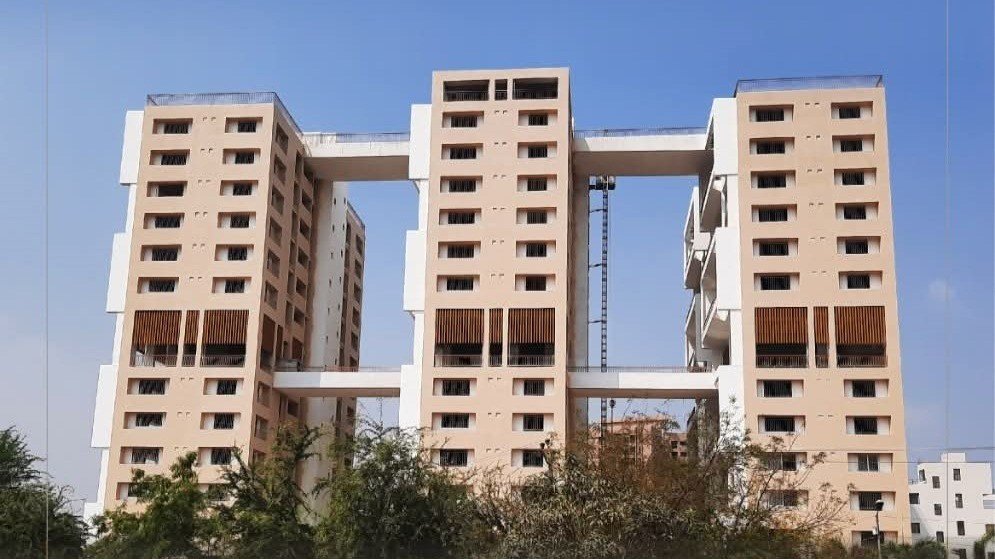
A broad-based West India real estate boom is reshaping urban growth patterns across Maharashtra and Gujarat in 2026, with both metropolitan and Tier-2 cities witnessing heightened housing demand and investor activity. The surge is being driven by infrastructure expansion, industrial corridors, and shifting homebuyer preferences, signalling a structural shift in how western India’s cities are evolving.
While Mumbai continues to anchor the region’s property market, its current growth cycle is increasingly tied to redevelopment-led supply and infrastructure upgrades such as coastal connectivity and suburban transit networks. Urban planners note that this phase marks a transition from horizontal expansion to vertical regeneration, with implications for density, climate resilience, and housing affordability. Beyond the financial capital, Pune remains one of the strongest contributors to the West India real estate boom, supported by its established IT ecosystem and academic institutions. Micro-markets linked to technology parks are seeing sustained demand, particularly from young professionals and first-time buyers. Industry experts highlight that Pune’s growth is also being shaped by improved urban mobility and the need for integrated, mixed-use developments.
In Gujarat, Ahmedabad has consolidated its position as a fast-expanding real estate hub, aided by large-scale infrastructure initiatives and policy support. Developments linked to financial and industrial zones are influencing residential demand patterns, with peri-urban corridors gaining prominence. Urban economists suggest that such expansion must be balanced with inclusive planning to prevent uneven growth and ensure access to basic services. Meanwhile, Surat is witnessing rising interest due to its strong industrial base and relatively affordable housing market. Improved regional connectivity is enhancing its attractiveness for both investors and end-users. However, planners caution that rapid growth in emerging cities requires stronger urban governance frameworks to manage land use, environmental stress, and infrastructure capacity. A notable shift within the West India real estate boom is the rising prominence of Tier-2 cities such as Nashik.
The city is gaining traction as a destination for second homes and budget housing, driven by improved connectivity and a perceived higher quality of life. This trend reflects a broader post-pandemic re-evaluation of urban living, where affordability and liveability are becoming central to housing decisions.Across the region, the interplay between infrastructure investment and real estate expansion is becoming more pronounced. Experts emphasise that future growth must integrate climate-responsive design, efficient public transport, and equitable housing strategies to ensure long-term sustainability. As western India’s cities expand, the next phase of development will depend on how effectively planners and policymakers align real estate growth with environmental resilience and inclusive urban outcomes.