


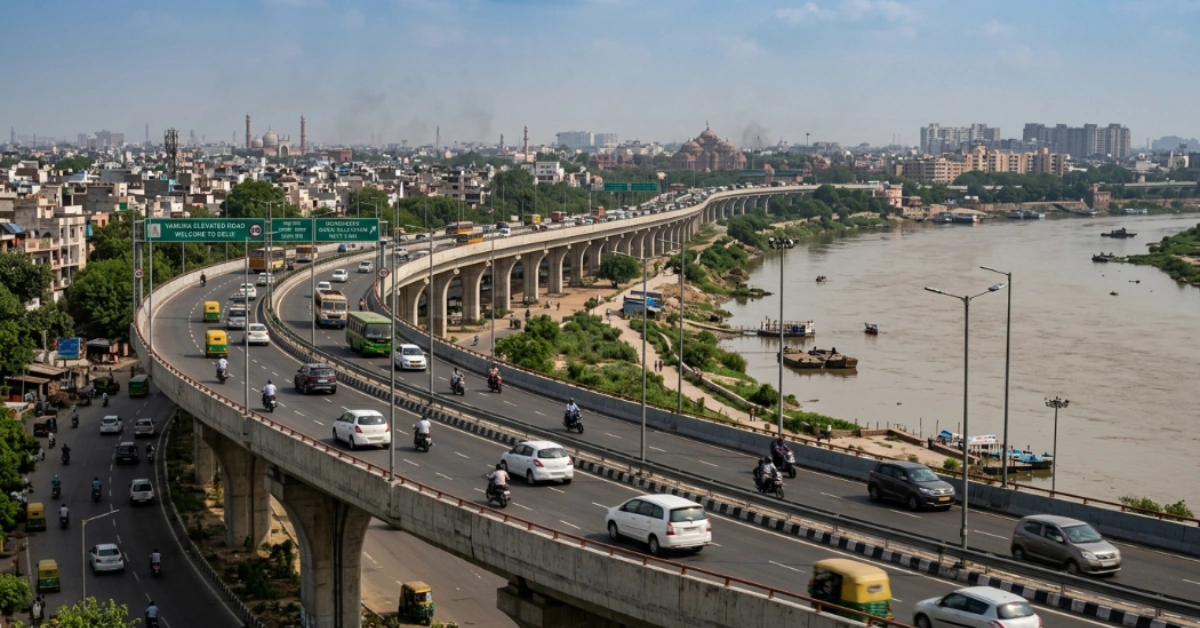
A judicial review of a high-profile urban streetscape project in Nagpur has raised fresh concerns over environmental compliance, after the absence of promised plantation was flagged during proceedings. The development has brought into focus how infrastructure-led urban upgrades are being implemented and whether ecological safeguards are being effectively enforced. The issue relates to a key road redevelopment initiative, where authorities had committed large-scale compensatory plantation as part of project execution.
However, submissions before the court revealed that no plantation had been carried out along a stretch where thousands of saplings were reportedly planned. This discrepancy has prompted the court to seek a detailed account of actual plantation undertaken and the mechanisms for monitoring compliance. The scrutiny over the Nagpur plantation compliance issue highlights a recurring challenge in Indian cities, where environmental commitments made during project approvals often face weak execution on the ground. Urban planners note that compensatory plantation is not merely a procedural requirement but a critical tool to offset the ecological impact of tree cutting in dense urban areas. In this case, concerns were compounded by reports of existing trees being removed to facilitate the project. The absence of follow-through on plantation commitments raises questions about how cities balance aesthetic or commercial redevelopment with ecological resilience. Experts warn that such gaps can contribute to rising urban heat, reduced air quality, and weakened biodiversity in already stressed environments. The Nagpur plantation compliance issue also intersects with broader judicial oversight on urban environmental governance. In recent hearings, courts have increasingly emphasised the need for independent verification of plantation data, rather than relying solely on submissions by implementing agencies. This reflects a shift towards stricter accountability in infrastructure projects that involve environmental trade-offs. From a planning perspective, the episode underscores the importance of integrating green infrastructure into urban design from the outset. Streetscape projects—often aimed at improving aesthetics, walkability, or commercial appeal—can inadvertently reduce tree cover if not carefully managed. Without parallel investment in urban greenery, such interventions risk intensifying the “urban heat island” effect and diminishing public comfort. There are also implications for governance and public trust. Environmental commitments are often central to gaining approvals and public acceptance for large projects. When these commitments are not met, it can erode confidence in civic institutions and trigger resistance to future developments. Experts suggest that cities need more robust monitoring frameworks, including geo-tagged plantation records, survival audits of saplings, and public disclosure of environmental compliance data. Such measures can ensure that compensatory plantation moves beyond paperwork to measurable outcomes.
The ongoing review in Nagpur reflects a wider shift in how urban projects are evaluated—not just on economic or visual outcomes, but on their environmental footprint and long-term sustainability. As cities continue to invest in redevelopment, the challenge will be ensuring that green cover is treated as essential infrastructure rather than an afterthought. The next phase of proceedings is expected to clarify accountability and set benchmarks for compliance. For Nagpur, the outcome may shape how future projects integrate environmental safeguards into the city’s evolving urban landscape.
ALSO READ – Nagpur Metro Phase Two Tender Signals Digital Shift
Nagpur Street Project Faces Scrutiny Over Tree Loss
