


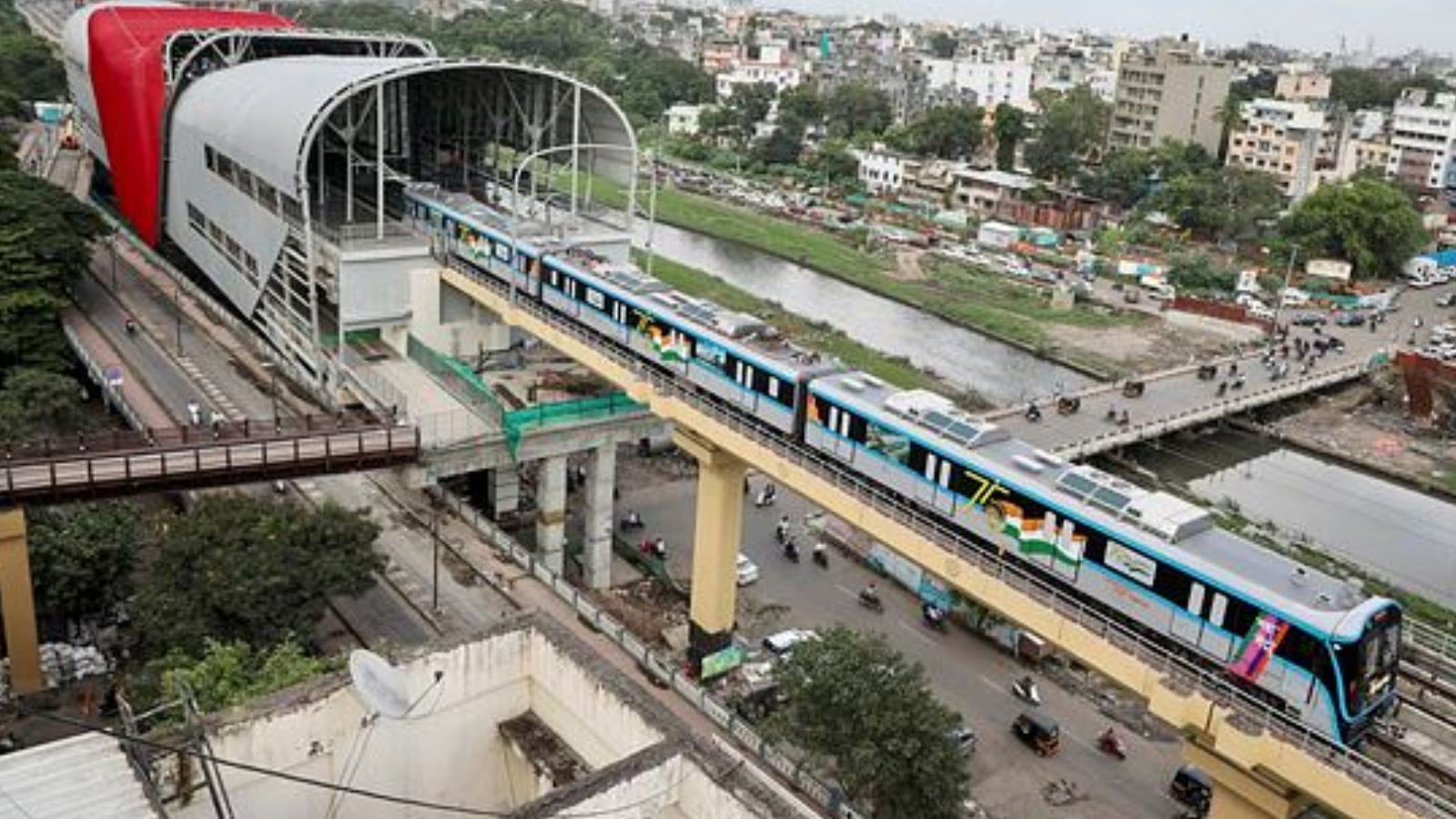
Nagpur’s metro expansion is entering a technology-driven phase, with authorities issuing a major tender for an advanced fare collection system under Phase 2 of the project. The move signals a shift from physical network building to operational modernisation, as cities increasingly prioritise seamless and integrated public transport experiences. The tender, valued at over ₹150 crore, seeks to deploy an Automatic Fare Collection (AFC) system across the upcoming metro corridors.
The scope includes design, installation, and long-term maintenance of a digital ticketing framework based on open-loop payment systems, QR codes, and the National Common Mobility Card (NCMC). This system is expected to allow commuters to use a single payment interface across multiple modes of transport, reducing dependence on cash and standalone ticketing methods. Urban mobility experts note that such integration is critical for improving user convenience and encouraging a shift from private vehicles to public transport. The Nagpur Metro Phase 2 AFC tender comes at a time when the city is expanding its metro network significantly. The second phase aims to extend connectivity to peripheral areas, including industrial zones and emerging residential clusters, thereby increasing the system’s catchment area. This expansion is expected to bring new commuter segments into the public transport fold, making efficient ticketing systems a key operational requirement. Officials indicate that the AFC system will include a centralised back-office platform capable of handling large volumes of transaction data. This will enable real-time monitoring of ridership patterns, allowing transport authorities to optimise train frequency and route planning. However, experts caution that data governance frameworks must evolve alongside such systems to ensure privacy and responsible usage. From an urban planning perspective, the introduction of digital fare systems represents a broader transition towards “smart mobility” infrastructure. By reducing entry bottlenecks at stations and enabling faster passenger movement, AFC systems can improve the overall efficiency of metro operations. This, in turn, enhances the attractiveness of public transport, a critical factor in reducing congestion and emissions in growing cities. The Nagpur Metro Phase 2 AFC tender also raises questions around inclusivity. While digital payments offer convenience, they may exclude users without access to banking or digital literacy. Urban policy specialists suggest that hybrid systems—combining digital and physical ticketing—are essential to ensure equitable access across socio-economic groups. There are economic implications as well. Efficient fare systems can reduce operational losses by minimising revenue leakage and improving fare compliance. Over time, this can strengthen the financial sustainability of metro systems, which often rely on a mix of fare and non-fare revenue streams.
As Nagpur positions itself as a model for tier-two urban mobility, the integration of digital infrastructure into transit systems marks a significant step forward. The challenge ahead will be ensuring that technological upgrades align with broader goals of accessibility, sustainability, and user-centric design. With implementation timelines spanning several years, the success of this initiative will depend not just on technology deployment but on how effectively it integrates with the city’s evolving transport ecosystem.
ALSO READ – Nagpur Metro Alignment Debate Raises Planning Concerns
Nagpur Metro Phase Two Tender Signals Digital Shift
