


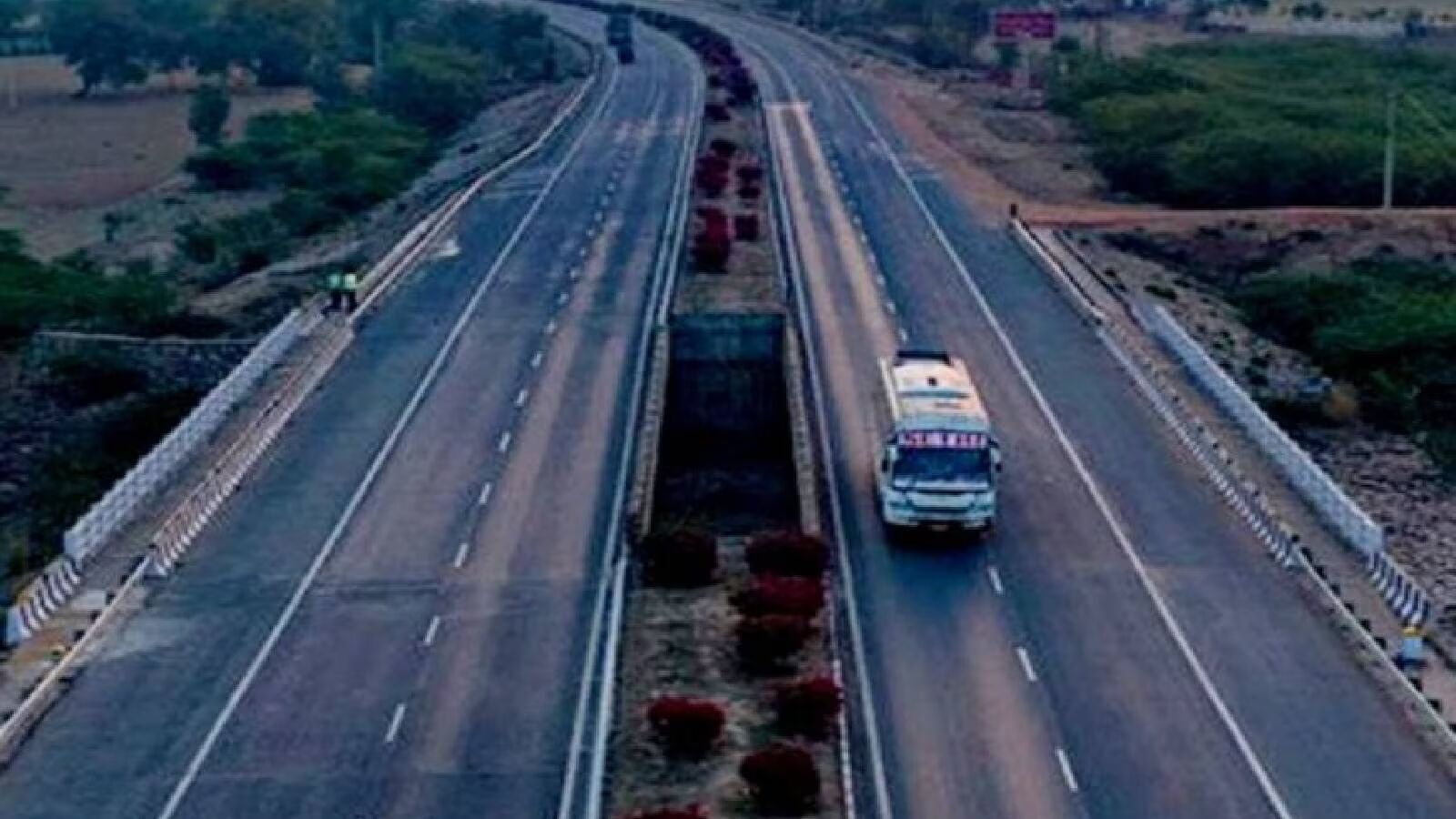
Nagpur’s urban mobility network has gained a major infrastructure addition with the completion of the Ashok Chowk flyover, a project expected to ease congestion and improve travel efficiency across one of the city’s busy traffic junctions. The newly constructed Nagpur Ashok Chowk flyover is designed to streamline vehicle movement along a key urban corridor that experiences heavy traffic during peak hours. Transport planners say the flyover will help reduce bottlenecks at the intersection, allowing vehicles to bypass signal-controlled traffic and move more smoothly through the area.
Ashok Chowk serves as an important junction connecting several residential and commercial neighbourhoods in Nagpur. Rapid urban expansion and increased vehicle ownership in recent years have placed considerable pressure on the city’s road infrastructure, particularly at busy intersections. Urban mobility experts say grade-separated structures such as flyovers play an important role in managing traffic flow in growing cities. By separating through-traffic from local intersection movements, flyovers can significantly reduce delays and improve overall road efficiency. The Nagpur Ashok Chowk flyover is part of broader efforts to modernise the city’s transportation infrastructure as population growth and economic activity continue to increase traffic demand. City planners emphasise that improving road connectivity is essential for maintaining efficient mobility in expanding urban centres. Strategic infrastructure projects such as flyovers, road widening initiatives and traffic management systems help reduce congestion and support smoother commuting patterns. Transport economists also note that improved mobility infrastructure can have wider economic benefits. Efficient road networks reduce travel time for commuters and commercial transport, helping businesses move goods more efficiently and improving productivity. The Nagpur Ashok Chowk flyover is expected to benefit daily commuters travelling between residential areas and commercial districts in the city. By reducing traffic congestion at the intersection, the project could shorten travel times and improve road safety. Urban planners say flyovers must be integrated with broader mobility planning strategies that include pedestrian infrastructure, public transport and traffic management measures. While flyovers improve vehicle flow, cities must also ensure that urban streets remain accessible for pedestrians and cyclists. Environmental experts also highlight the potential role of improved traffic flow in reducing fuel consumption and vehicle emissions caused by long idling times at congested intersections. The completion of the Nagpur Ashok Chowk flyover reflects the growing emphasis on infrastructure development in mid-sized Indian cities that are transitioning into larger metropolitan centres.
As Nagpur continues to expand its urban footprint and strengthen its role as a regional logistics and industrial hub, investments in transportation infrastructure are expected to remain a key component of the city’s development strategy. For commuters navigating one of the city’s busiest junctions, the new flyover represents an attempt to balance rapid urban growth with the need for smoother and more efficient mobility.
ALSO READ – Nagpur Encroachment Drive Targets Key Urban Zones
Nagpur Ashok Chowk Flyover Boosts Urban Connectivity
