


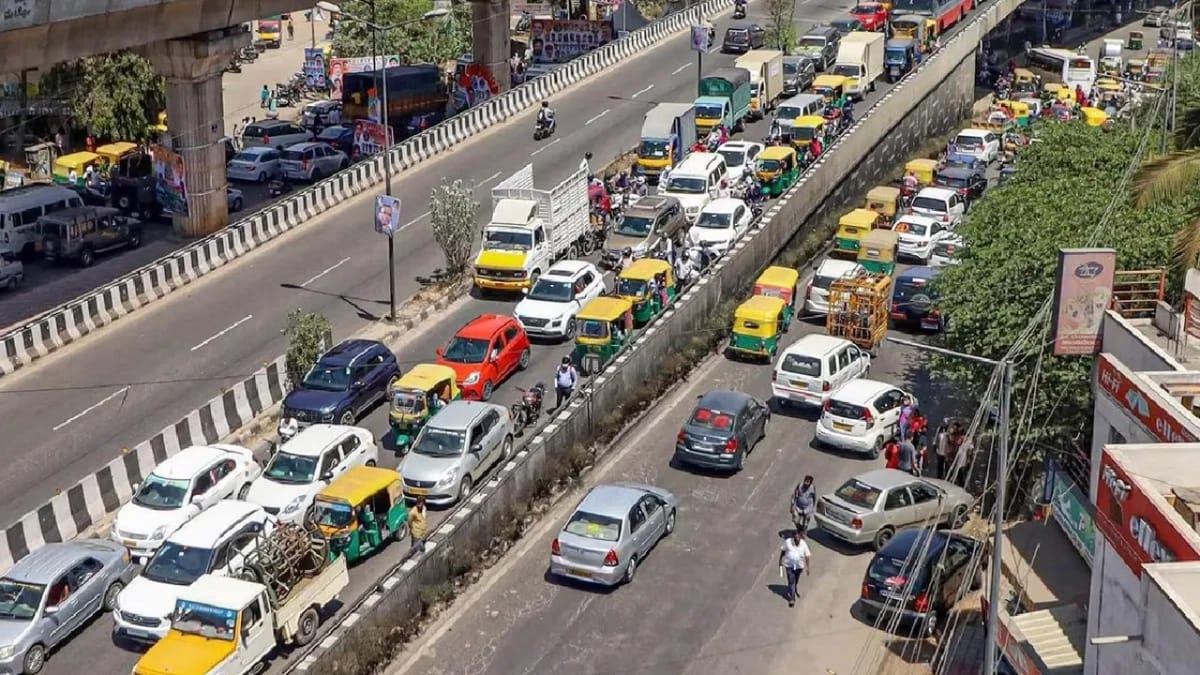
Nagpur’s municipal administration is exploring the installation of Nagpur green shade nets at busy traffic junctions as part of a broader effort to reduce heat exposure in public spaces during the peak summer months. The proposal comes as the city experiences rising temperatures and prolonged heatwaves, prompting civic planners to adopt short-term climate adaptation measures that can provide immediate relief for commuters and pedestrians.
Officials within the municipal corporation say the Nagpur green shade nets initiative is intended to create shaded waiting zones at signalised intersections where two-wheeler riders, cyclists and pedestrians are often exposed to direct sunlight for several minutes. By placing lightweight shading material above designated waiting areas, authorities aim to reduce surface heat and improve comfort levels for road users navigating the city during extreme summer conditions. Urban planners note that traffic intersections are among the most heat-exposed points in dense cities. Large asphalt surfaces, high vehicle density and limited tree cover can significantly increase temperatures at junctions. Introducing shading infrastructure such as the Nagpur green shade nets is therefore being considered as a practical way to mitigate heat stress without disrupting traffic operations. Municipal officials indicate that several high-traffic intersections have been shortlisted for the pilot phase of the programme. These locations typically experience long signal cycles and heavy pedestrian movement, making them priority sites for intervention. The nets are expected to be installed using overhead frames designed to avoid obstructing signal visibility or traffic monitoring equipment. Experts in urban climate planning say the proposal reflects a growing awareness that cities must adapt their infrastructure to withstand extreme weather conditions. As climate change intensifies heatwaves across central India, municipal governments are increasingly experimenting with small but targeted interventions that directly address citizens’ daily exposure to heat. The Nagpur green shade nets proposal also complements wider strategies aimed at improving urban climate resilience. City planners emphasise that shading solutions can work alongside longer-term measures such as increasing tree canopy coverage, introducing cool roofing materials and expanding green corridors across urban landscapes. Environmental specialists highlight that reducing heat stress in traffic zones is not only a matter of comfort but also public health. Prolonged exposure to extreme heat can lead to dehydration, heat exhaustion and other health risks, particularly for delivery workers, street vendors and commuters who rely on two-wheelers for daily travel.
Officials say the municipal corporation will assess the performance of the Nagpur green shade nets after installation, including monitoring commuter feedback and temperature variations at covered intersections. If the initiative proves effective, authorities may consider expanding the approach to additional junctions across the city. For a rapidly growing city confronting rising summer temperatures, the proposal underscores a shift toward climate-responsive urban design. By rethinking everyday infrastructure such as traffic signals and road intersections, Nagpur is exploring how simple design solutions can make urban mobility safer and more comfortable during extreme weather conditions.
ALSO READ – Nagpur Green Nets at Signals Aim to Ease Heat
Nagpur Civic Proposal Adds Shade Nets at Key Junctions
