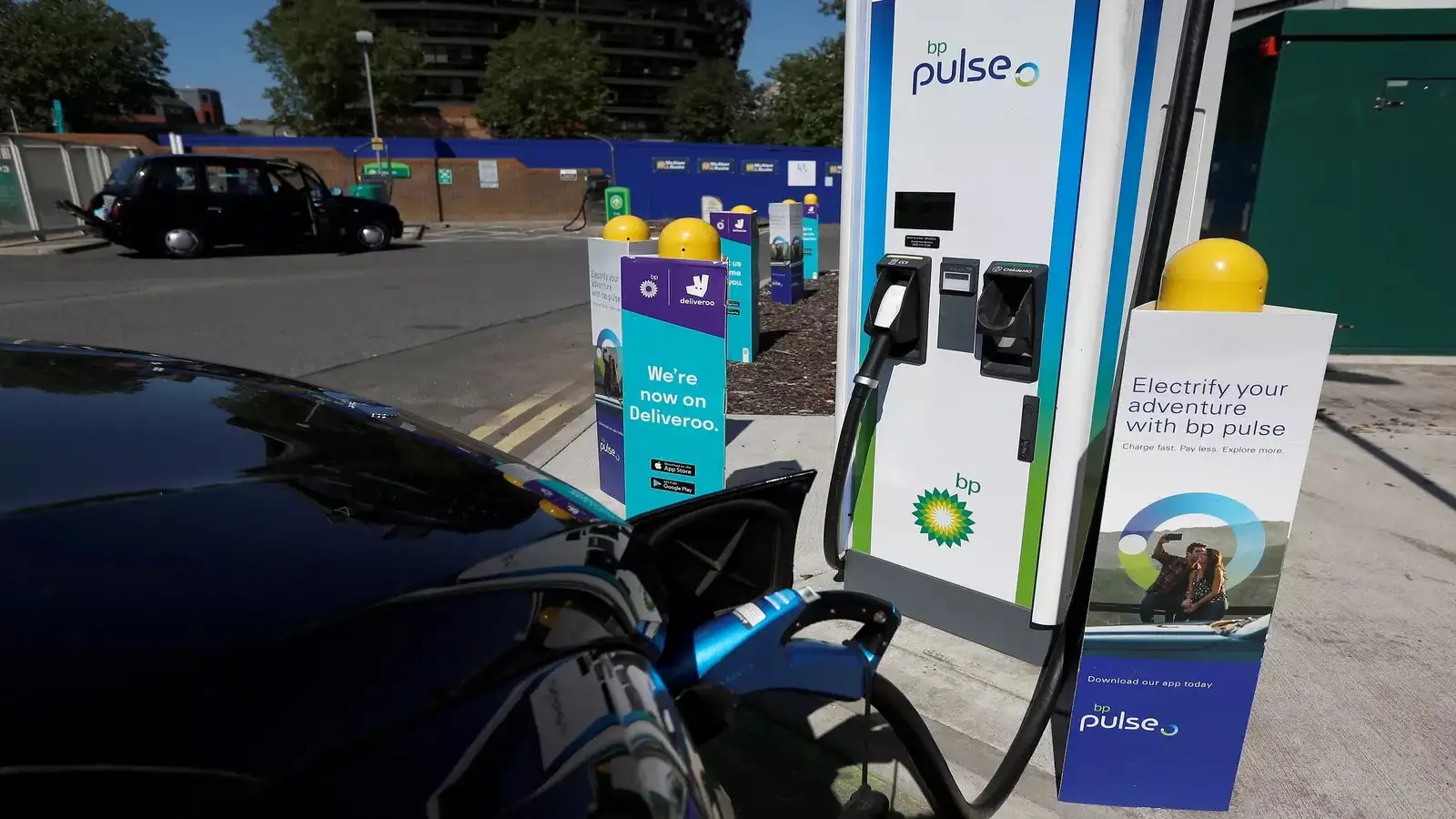
Delhi EV Charging Infrastructure Crosses Ten Thousand Points
The electric mobility transition in Delhi is gaining momentum as the city’s EV Charging Infrastructure network has expanded beyond 10,000 charging points, marking one of the fastest deployments of charging facilities among Indian urban centres. The expansion reflects growing adoption of electric vehicles and highlights the increasing role of power utilities and urban policy in enabling low-emission transport systems. Energy and mobility officials say the latest expansion has been driven by both policy direction and infrastructure investment over the past year. More than 3,000 charging points have been added recently across residential areas, commercial zones and public transport corridors, significantly strengthening the capital’s charging ecosystem.
Electricity distribution companies have played a central role in scaling the EV Charging Infrastructure network. Utilities such as BSES Rajdhani Power Limited and BSES Yamuna Power Limited have collectively facilitated thousands of installations across multiple neighbourhoods. The deployments include a mix of private residential charging points, public charging stations and battery-swapping facilities used by electric two-wheelers and three-wheelers. Industry data indicates that private charging points currently represent nearly half of the installations in the capital. Many of these are located within homes, group housing societies and commercial buildings, reflecting a trend where urban EV adoption is increasingly supported by decentralised charging solutions. Public charging stations and captive charging facilities form another significant portion of the network, helping support shared mobility operators and commercial EV fleets. Power utilities are also strengthening the grid infrastructure required to support rising charging demand. Officials involved in network planning say the electricity load associated with EV charging has grown dramatically in recent years. In some parts of the city, the charging load has multiplied several times since the early stages of EV adoption.
Another electricity distributor operating in northern districts, Tata Power Delhi Distribution Limited, has energised several thousand EV-related power connections. Demand has been particularly strong in neighbourhoods such as Rohini, Pitampura and Civil Lines, where residential density and vehicle ownership levels are relatively high. Urban mobility experts say the rapid expansion of EV Charging Infrastructure is essential for reducing dependence on fossil fuel vehicles in large metropolitan areas. Reliable charging access helps remove one of the biggest barriers to electric vehicle adoption—range anxiety—while enabling cleaner urban transport. Delhi’s experience also highlights the link between transport electrification and energy infrastructure. As EV numbers grow, cities must simultaneously upgrade electricity distribution networks to handle higher loads while maintaining grid stability. National energy statistics indicate that the capital accounts for a significant share of electricity consumption associated with public EV charging across India. Analysts believe this leadership position reflects both policy incentives and the relatively mature state of the city’s charging ecosystem.
As Delhi continues to expand its charging network and refine EV policies, the city’s EV Charging Infrastructure could become a key model for other Indian metropolitan regions aiming to accelerate the transition toward cleaner and more climate-resilient mobility systems.