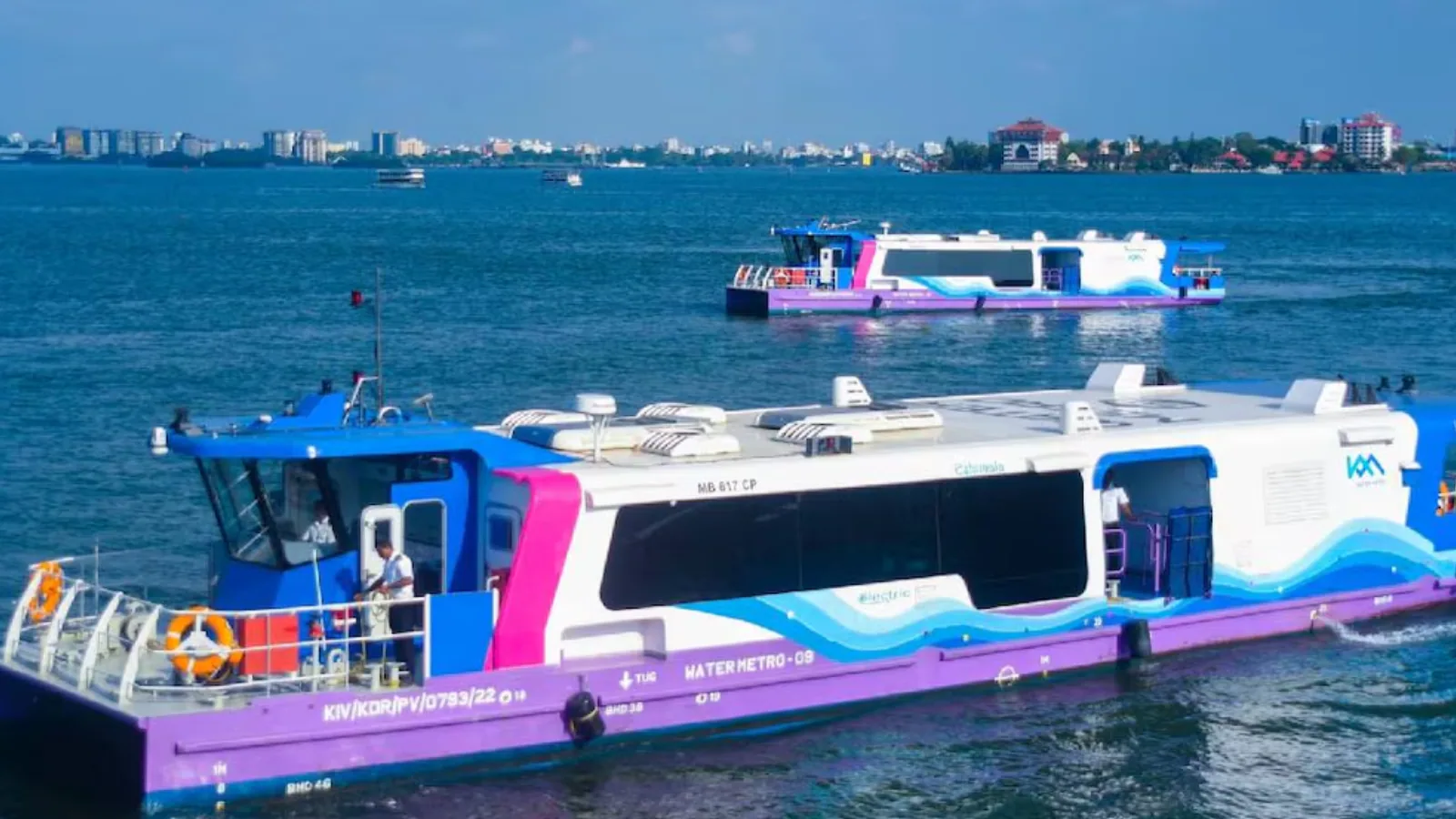
Mumbai Water Metro Eyes Faster Regional Connectivity
Mumbai’s proposed Water Metro network is moving into a more detailed planning phase as authorities review station infrastructure, commuter movement systems and multimodal connectivity for a transport project expected to reshape mobility across the metropolitan region’s coastline and harbour corridors. Senior state officials and transport planners recently reviewed design proposals for key passenger terminals linked to the Mumbai Water Metro initiative, including stations planned at Belapur, Vashi, Gateway of India and the upcoming Navi Mumbai International Airport zone. The discussions focused on passenger circulation, docking systems, traffic integration and operational efficiency as authorities attempt to position water-based mobility as a viable alternative to overcrowded roads and suburban rail corridors.
The Mumbai Water Metro project is emerging as part of a broader urban transport transition aimed at diversifying mobility infrastructure in one of the world’s most densely populated metropolitan regions. Transport analysts say the initiative could help redistribute commuter pressure across the Mumbai Metropolitan Region while improving connectivity between emerging economic clusters and residential districts spread across the harbour belt. Urban mobility experts note that coastal cities globally are increasingly revisiting water transport systems as lower-emission alternatives capable of complementing rail and road networks. In Mumbai, where daily congestion imposes substantial economic and environmental costs, integrating ferry-based public transit could support shorter travel times and reduce dependence on private vehicles across key intercity routes. Authorities are currently advancing the first phase of the project, which is expected to include multiple existing and newly developed water corridors linked through upgraded passenger terminals and navigational infrastructure. The initial phase is targeted for completion before the end of the decade and will require significant investment in docking facilities, commuter access systems and emergency response infrastructure.
Officials associated with the planning process indicated that station designs are being evaluated not only for operational efficiency but also for integration with metro lines, suburban rail systems and road-based public transport. Urban planners believe such multimodal integration will determine whether the Mumbai Water Metro can function as a mainstream mobility network rather than a standalone ferry service. The project also highlights the growing importance of climate-responsive transport planning in coastal urban regions. Sustainable transport specialists argue that expanding water-based public mobility can help reduce vehicular emissions, improve energy efficiency and create more balanced transport ecosystems if supported by reliable scheduling and accessible fare systems. However, experts caution that environmental safeguards will remain critical as marine infrastructure expands along ecologically sensitive waterfront zones. Issues including shoreline management, tidal impacts, mangrove protection and marine biodiversity are expected to shape future project approvals and execution strategies. The Maharashtra Maritime Board has already initiated the process to appoint a project management consultant for the first implementation phase, signalling a transition from concept-level planning towards execution and coordination across multiple agencies.
Infrastructure economists say the long-term success of the Mumbai Water Metro will depend on affordability, commuter convenience and integration with broader urban development goals. If implemented effectively, the network could support more decentralised growth patterns while easing pressure on existing transport systems that continue to operate near saturation levels. As Mumbai prepares for continued expansion across both island city and metropolitan regions, the project represents a wider shift towards exploring climate-resilient and multimodal mobility systems suited to complex coastal megacities.