


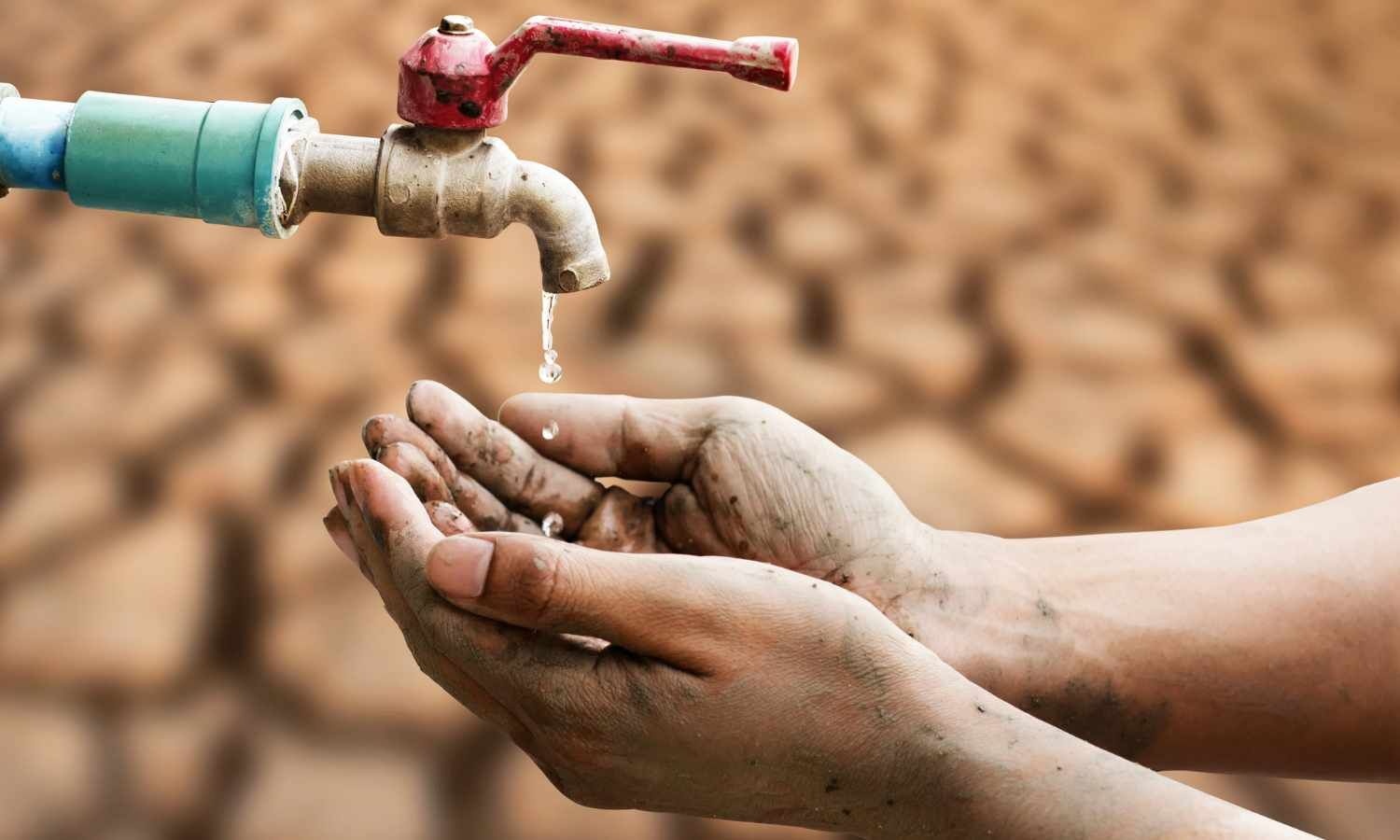
Mumbai’s water security is under fresh scrutiny as civic authorities weigh the possibility of rationing supply from next month, following early indicators of a weaker monsoon season. With reservoir levels below one-third of total capacity, the situation highlights the city’s ongoing vulnerability to rainfall variability and its dependence on distant lake systems. Current data shows that the seven reservoirs supplying Mumbai collectively hold less than 30% of their storage capacity. While marginally better than the same period last year, the buffer remains fragile given the city’s daily demand of over 4,000 million litres. Officials indicate that supply is already being maintained at a slightly reduced level, underscoring the pressure on available resources even before peak summer demand sets in.
The potential Mumbai water cut is being considered against forecasts suggesting below-average rainfall, influenced by broader climatic patterns such as ocean temperature shifts. Urban climate experts note that such variability is becoming more frequent, complicating traditional water management strategies that rely heavily on monsoon predictability. Authorities have been advised to prioritise essential consumption, particularly drinking water, while enforcing stricter usage norms across sectors. This includes revisiting allocation for non-essential uses such as construction, landscaping, and industrial consumption. For a city with expanding real estate activity and infrastructure projects, any Mumbai water cut could have ripple effects on timelines, costs, and planning decisions. Urban planners point out that Mumbai’s centralised water supply model, dependent on lakes located far from the city, limits flexibility during stress periods. The absence of large-scale recycling, rainwater harvesting integration, and decentralised storage systems continues to constrain resilience. While policy frameworks exist, implementation has been uneven across residential and commercial developments.
The issue also brings into focus equity concerns. In many informal settlements and peripheral neighbourhoods, access to water is already inconsistent. A formal Mumbai water cut could deepen these disparities unless accompanied by targeted distribution strategies and monitoring. Experts suggest that equitable rationing mechanisms and community-level storage solutions must be prioritised alongside broader restrictions. From an economic perspective, water scarcity can influence multiple sectors, including manufacturing, services, and real estate. Reduced supply often translates into higher dependence on private water tankers, increasing operational costs and placing additional strain on groundwater resources in surrounding regions. As climate uncertainty intensifies, Mumbai’s situation reflects a larger urban challenge across India—how to secure reliable water access in the face of erratic rainfall and growing demand. The coming weeks will be critical as authorities assess rainfall trends and reservoir inflows before finalising any decision.
For now, the possibility of a Mumbai water cut serves as a reminder that long-term investments in sustainable water systems—ranging from reuse infrastructure to demand management—are no longer optional, but essential for ensuring the city’s resilience and liveability.
Also read : Mumbai Waste Site Faces Stricter Emission Checks
Mumbai Water Cut Concerns Rise Before Summer Peak
