Mumbai Seeks Stronger Coastal Oversight As Pollution Grows
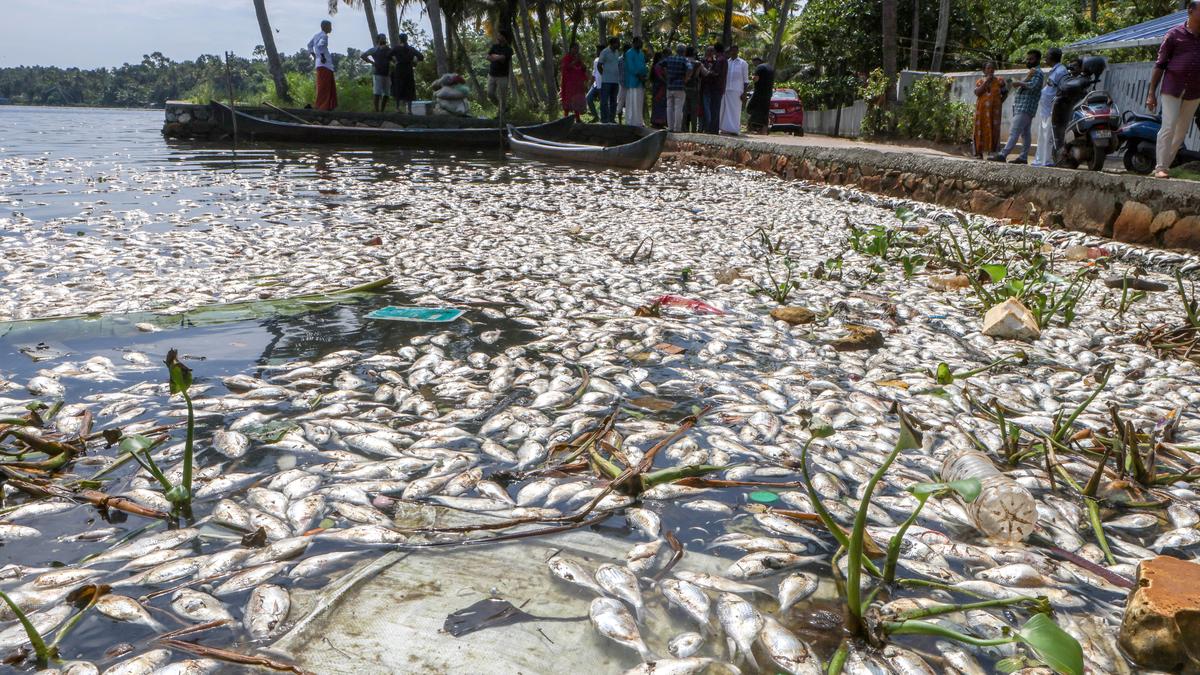
Mumbai’s civic leadership has opened a new debate over how the city manages its coastline, with the BMC General Body unanimously backing a proposal for a dedicated coastal committee. The proposed mechanism would bring marine pollution, beach management, biodiversity, Koliwada infrastructure and coastal development under closer civic oversight. The move comes as concerns grow over plastic waste, sewage, encroachments and pressure on traditional fishing communities. The proposal seeks to address a governance gap that becomes more significant as Mumbai’s coastline faces competing demands from infrastructure, housing, tourism, fishing and environmental protection. A dedicated coastal management committee could provide a forum for coordinating departments that currently deal with different parts of the same ecosystem.
The proposed body is expected to examine marine pollution, beach maintenance, biodiversity conservation and encroachments while also looking at infrastructure in traditional fishing settlements. The proposal also envisages representation from the Koli community, coastal constituencies, environmental and marine experts, relevant businesses and civic authorities. That composition matters because Mumbai’s coastal economy is not limited to tourism or waterfront real estate. Fishing communities depend directly on near-shore ecosystems for their livelihoods. Waste entering creeks, rivers and the sea can therefore become both an environmental and economic problem. Local representatives have also raised concerns about garbage accumulating around fishing settlements and waste reaching the sea through waterways. One issue highlighted during the civic discussion was the movement of floating waste through the Mithi River towards the coastline. A proposed trash boom could intercept some of this material before it reaches the sea.
Such interventions, however, are primarily containment measures. Urban planners and environmental experts note that durable coastal management requires reducing waste at its source, improving sewage treatment and strengthening monitoring across drains, rivers and outfalls. Mumbai has already demonstrated the scale of the challenge. During a special beach-cleaning operation in July, the civic administration reported collecting nearly 2,500 tonnes of solid waste from city beaches, including plastic, thermocol and material carried in by tides. The proposed committee could therefore become useful if it moves beyond periodic clean-ups and creates measurable responsibilities for pollution prevention, ecological monitoring and protection of vulnerable coastal settlements. It would also need to work alongside existing regulatory institutions, including the Maharashtra Coastal Zone Management Authority, rather than creating another disconnected administrative layer.
For Mumbai, the test will be implementation. A functioning coastal management framework could help balance infrastructure growth with ecological limits and community livelihoods. The immediate next step is to determine the committee’s mandate, membership, authority and measurable targets before the proposal becomes another layer of civic administration rather than a practical tool for protecting the city’s coastline.