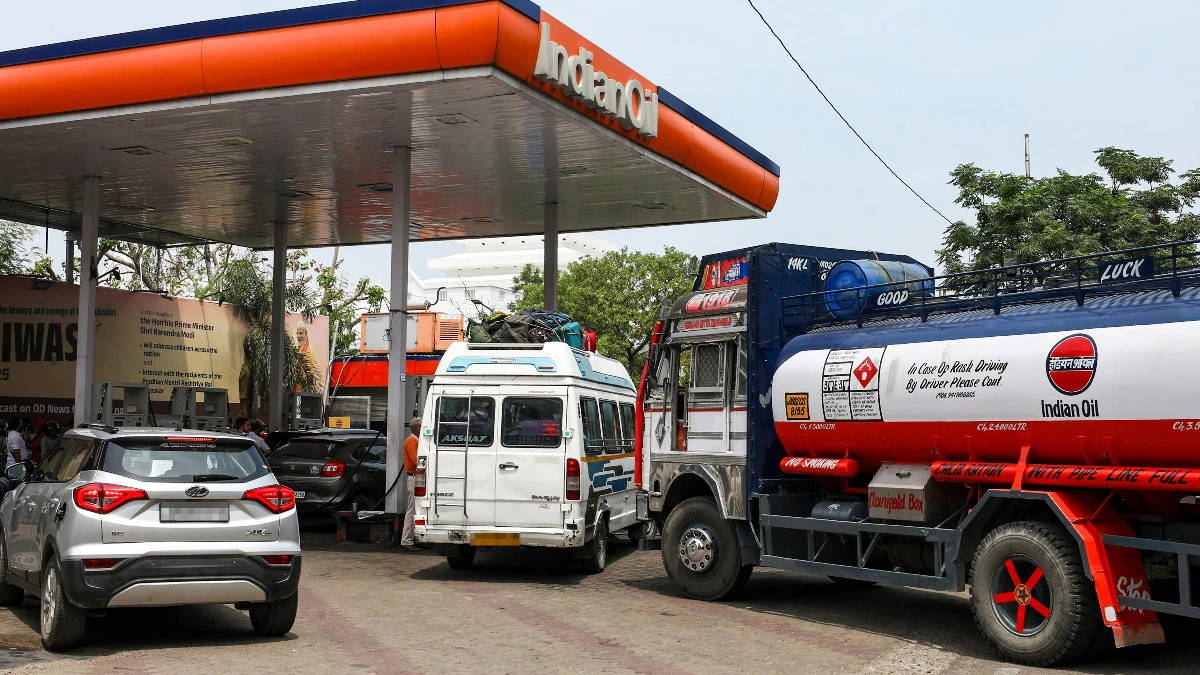
Kolkata Fuel Network Gains From Indian Oil Expansion
Kolkata’s position in eastern India’s fuel logistics is gaining fresh significance as Indian Oil Corporation enters a five-year agreement to supply Mauritius with its imported petrol, diesel and aviation turbine fuel requirements. While the agreement was signed in Port Louis, its wider implications extend to eastern India, where Kolkata-Haldia forms a major refining, storage and distribution corridor.
The development comes as energy security becomes increasingly tied to the reliability of ports, pipelines and regional distribution networks. For Kolkata, the relevance lies less in the overseas contract itself and more in the infrastructure supporting the movement of refined petroleum products through the eastern coast.At the centre of that network is Indian Oil’s Haldia refinery, about 136 km from Kolkata. The facility has an installed refining capacity of 8 million tonnes a year and produces motor spirit, high-speed diesel and aviation turbine fuel, among other products. Its output can move through pipelines, rail, road and marine routes, giving the Kolkata-Haldia corridor multiple channels for regional distribution.The refinery is also connected to the wider eastern fuel grid. The 277-km Haldia-Mourigram-Rajbandh pipeline carries petroleum products towards Howrah and other parts of West Bengal, while the Haldia-Barauni pipeline links the refinery with markets beyond the state. A separate Paradip-Somnathpur-Haldia pipeline adds another coastal supply route into the system.
That network matters for Kolkata’s economy because fuel availability affects far more than private vehicles. Freight movement, public transport, aviation, construction, manufacturing and essential services all depend on predictable energy supplies. Government data in May also showed petroleum companies maintaining fuel availability across West Bengal despite international market uncertainty.Kolkata’s port system further strengthens this position. During April-May 2026, Haldia Dock Complex handled substantially more petroleum and oil-related cargo than the Kolkata Dock System, underlining Haldia’s role in the region’s industrial supply chain.Yet greater energy connectivity also brings an urban planning challenge. Expanding fuel logistics must be matched by stronger safety systems, efficient freight corridors, lower-emission transport and careful management of industrial activity around densely populated areas. Kolkata’s future energy infrastructure will increasingly need to balance economic throughput with environmental resilience.
The Mauritius agreement therefore offers a broader signal for Kolkata: eastern India’s established refinery, port and pipeline assets are becoming part of a more interconnected regional energy economy. The next test will be ensuring that this connectivity delivers reliable supplies and economic value while gradually reducing the environmental burden of conventional fuels.