Kolkata Monsoon Infrastructure Faces Fresh Rain Test
A developing low-pressure system over the north Bay of Bengal is expected to keep monsoon activity elevated across eastern India, putting Kolkata’s drainage, roads and transport networks under another weather test. The India Meteorological Department has forecast widespread rainfall over Gangetic West Bengal, while recent spells have already exposed vulnerabilities in Kolkata’s urban infrastructure.
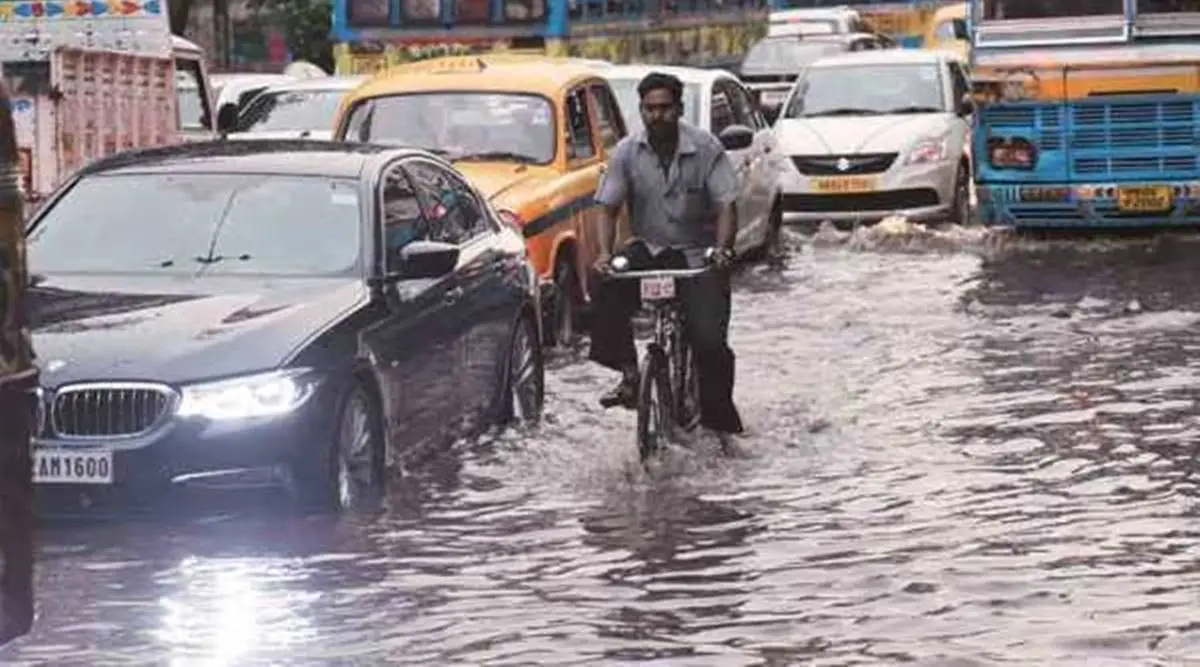
The immediate concern is not simply the amount of rain, but how quickly the city can move stormwater away from streets and neighbourhoods. Kolkata’s low-lying terrain, dense development and dependence on interconnected drainage channels mean intense rainfall can rapidly translate into waterlogged roads and disrupted movement.That risk has been visible this monsoon. Recent heavy rain left several parts of Kolkata inundated, affecting major roads and creating traffic bottlenecks. Areas across north and central Kolkata, as well as locations around the Eastern Metropolitan Bypass, reported waterlogging during intense spells. High tide conditions in the Hooghly also complicated drainage in some neighbourhoods by limiting the ability of water to discharge efficiently.The pressure extends beyond drainage. Repeated wetting and standing water can accelerate road deterioration, increase potholes and raise maintenance costs for both public agencies and commuters. Recent reports of damaged road surfaces across Kolkata underline how rainfall is becoming an infrastructure-management issue as much as a seasonal weather event.
For businesses, unreliable road access can mean slower deliveries, disrupted worker mobility and higher operating costs. For residents, the consequences are more immediate: longer journeys, difficult pedestrian access, exposure to contaminated standing water and greater risks around damaged roads and electrical infrastructure.Urban planners increasingly view such events through the lens of resilience rather than emergency response alone. For Kolkata, that means coordinating drainage upgrades with road construction, transport projects and land development instead of treating each system separately. Maintenance of pumping stations, desilting of drainage networks, protection of natural water-retention areas and better monitoring of flood-prone corridors can reduce pressure during peak rainfall.
The latest forecast does not indicate that every rainfall spell will produce severe flooding in Kolkata. However, the combination of continued monsoon activity and a developing Bay of Bengal system makes preparedness important.The next test for Kolkata monsoon infrastructure will therefore be measured not only by how much rain falls, but by how effectively the city keeps homes, streets, businesses and public transport functioning while the water moves through it.