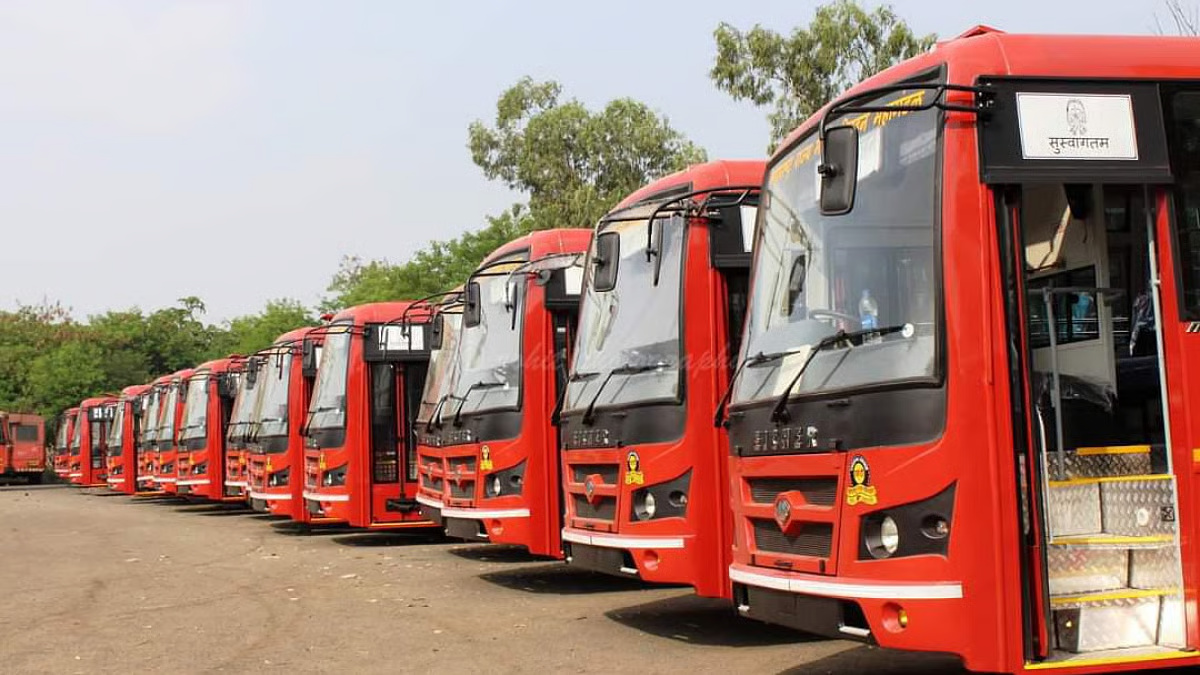
Mumbai’s public transport system could see a major capacity increase after the Maharashtra government outlined plans to add 5,000 electric buses to the BEST fleet within six to eight months. The proposed expansion comes as growing passenger demand, fleet constraints and shortages of operational staff put pressure on bus services across the city. If delivered at scale, the investment could reshape how Mumbai manages first and last-mile connectivity while supporting a shift towards lower-emission urban transport. The announcement comes at a difficult point for Mumbai BEST buses, which remain an important link between railway stations, Metro corridors, commercial districts and residential neighbourhoods. Routes serving high-demand employment centres such as Bandra-Kurla Complex have faced particular pressure as daily travel patterns change.
A senior state transport official said the proposed procurement is intended to increase capacity rather than simply replace vehicles already operating on the network. That distinction will determine its impact. Adding buses can improve frequency only if the undertaking has enough drivers, charging capacity, depots and maintenance infrastructure to keep them on the road. The proposed electric fleet also has wider environmental implications. Electric buses can reduce tailpipe emissions and local air pollution compared with conventional diesel vehicles, particularly on heavily trafficked urban corridors. But the climate benefit depends on reliable vehicle utilisation, efficient charging systems and responsible management of batteries over their operating life. For Mumbai BEST buses, the challenge is therefore not only the number of vehicles purchased. Urban transport experts point to the need for better route planning, integrated ticketing, reliable timetables and stronger interchange facilities with suburban rail and Metro services. Without those supporting systems, a larger fleet may increase capacity without fully resolving passenger waiting times or overcrowding.
The timing is also significant because Mumbai’s employment geography is expanding beyond traditional business districts. New offices, residential developments and infrastructure projects across the metropolitan region are creating additional travel demand. Public transport capacity will increasingly influence how efficiently workers can reach employment centres without adding more private vehicles to already congested roads. The six-to-eight-month target will now face a practical test. Procurement, vehicle availability, depot readiness, charging infrastructure, recruitment and route deployment all have to progress together. A rapid rollout without adequate operating systems could leave expensive buses underused.
The Mumbai BEST buses expansion could become a meaningful step towards cleaner and more accessible mobility if capacity growth is matched by operational reform. For commuters, the real measure will be simple: shorter waits, better coverage and dependable services across the working day.