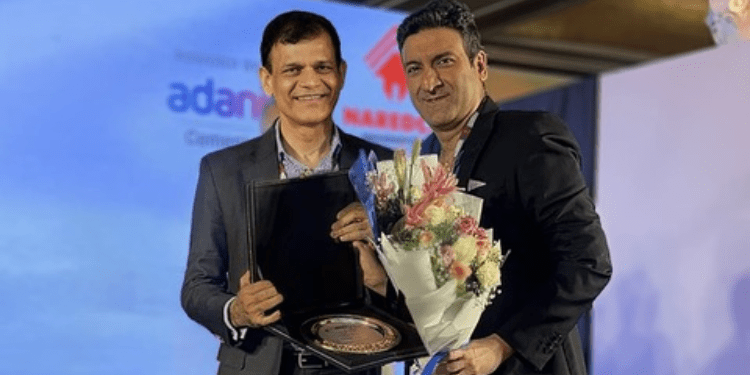
Mumbai Property Sector Body Appoints New Vice President
Mumbai’s real estate industry body has announced a new leadership appointment, with Ashish Raheja, Managing Director and CEO of a Mumbai-based development firm, taking on the role of Vice President at NAREDCO Maharashtra. The move comes at a time when the state’s property market is navigating regulatory shifts, redevelopment pressures, and increasing calls for sustainability-led growth.
The appointment signals an effort by the industry body to deepen engagement with developers and policymakers as Maharashtra’s urban centres, particularly the Mumbai Metropolitan Region, undergo rapid transformation. With redevelopment emerging as a dominant model in land-scarce cities, leadership within such organisations plays a crucial role in shaping policy advocacy, compliance standards, and sector-wide practices. The newly appointed Vice President is expected to work closely with stakeholders across the real estate ecosystem, including government authorities, financial institutions, and planning bodies. Industry observers note that the role carries growing significance as cities grapple with balancing housing demand, infrastructure strain, and climate resilience. In Mumbai, where ageing housing stock and high population density intersect, redevelopment has often been criticised for prioritising scale over sustainability.
The leadership change was marked during a formal industry gathering that brought together developers and consultants, alongside senior representatives from advisory firms. The event also acknowledged contributions from key figures in the sector, reflecting a broader transition phase within the organisation. Experts suggest that NAREDCO Maharashtra’s evolving leadership structure could influence how the industry responds to emerging challenges such as green building adoption, transparent project financing, and equitable housing access. While policy frameworks like RERA have improved accountability, concerns remain around execution gaps, environmental compliance, and the long-term liveability of redeveloped neighbourhoods. From a citizen perspective, the implications extend beyond industry representation. Decisions shaped through such bodies often impact housing affordability, project timelines, and the integration of infrastructure such as transport, water, and waste systems. Urban planners emphasise that leadership must align with a people-first approach, ensuring that redevelopment does not displace vulnerable communities or compromise ecological balance.
Ashish Raheja’s elevation to the Vice President role at NAREDCO Maharashtra also reflects the increasing influence of developers who have operated extensively within Mumbai’s redevelopment landscape. However, analysts caution that industry bodies must move beyond growth-centric narratives and actively support climate-sensitive urban planning, especially in coastal cities facing rising environmental risks. As Maharashtra’s cities continue to expand vertically and densify, the effectiveness of such leadership appointments will be measured by their ability to foster collaboration, improve governance, and steer the sector towards more resilient and inclusive urban development models.