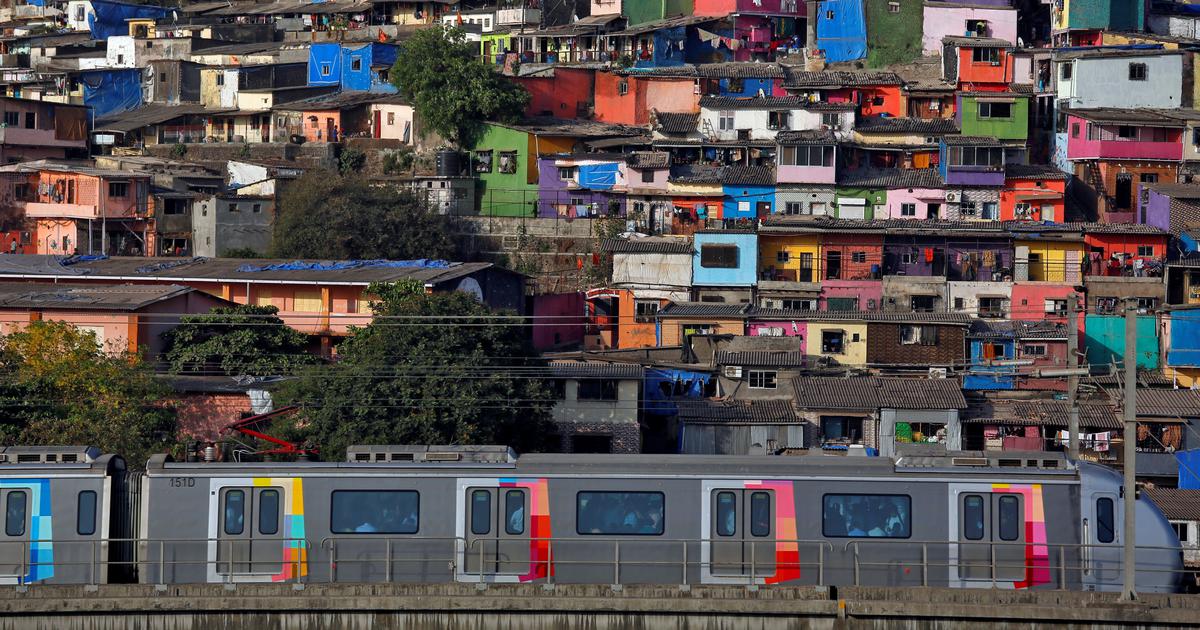
Mumbai’s urban imbalance is becoming more pronounced, with new data indicating that informal settlements now occupy nearly a quarter of the city’s land while housing more than half its residents. The findings highlight the scale of the housing deficit in India’s financial capital and underscore the growing pressure on land, infrastructure, and environmental systems.
The latest assessment by the state’s slum redevelopment authority reveals that slums cover roughly 24% of Mumbai’s total land area. With the city’s population estimated at over 13 million within a limited geographical footprint, the density of habitation continues to push informal housing into ecologically sensitive and infrastructure-critical zones. A notable concern is the steady expansion of encroachments over the past decade. Officials tracking land use changes through satellite imagery and geographic information systems have identified significant occupation of public land, including government-owned parcels. Encroachments have also extended into mangrove belts and drainage channels areas that play a crucial role in flood mitigation and climate resilience.
Urban planners warn that such patterns of growth could intensify the city’s vulnerability to extreme weather events. The occupation of mangroves and natural water pathways reduces the city’s ability to absorb heavy rainfall, increasing the likelihood of flooding in low-lying neighbourhoods. This environmental strain intersects with public health risks, as densely populated settlements often lack access to sanitation, clean water, and waste management systems.The geography of expansion is uneven. Older, inner-city districts have seen relatively stable or slower growth in slum coverage, while peripheral and suburban areas are witnessing sharper increases. These trends suggest that migration, affordability constraints, and proximity to informal employment hubs continue to drive settlement patterns.The Mumbai slum crisis also reflects deeper structural challenges in the formal housing market. High land prices, regulatory constraints, and limited availability of affordable housing stock have pushed economically weaker sections into informal arrangements. While redevelopment policies aim to address this gap by incentivising private participation, implementation has been uneven, and project timelines often stretch over years. Eligibility criteria for rehabilitation further complicate the situation.
Settlements established before specific cut-off dates qualify for free housing, while more recent occupants face conditional or uncertain futures. This creates a fragmented policy landscape where a significant portion of residents remains outside formal redevelopment frameworks.For a city striving to position itself as a global financial hub, the persistence of large-scale informal housing raises questions about inclusivity and long-term sustainability. Experts suggest that addressing the Mumbai slum crisis will require a shift from piecemeal redevelopment to integrated urban planning one that aligns housing policy with transport, livelihoods, and environmental conservation. As Mumbai continues to grow, the challenge will be to balance economic expansion with equitable access to housing, while safeguarding critical ecosystems that underpin the city’s resilience.