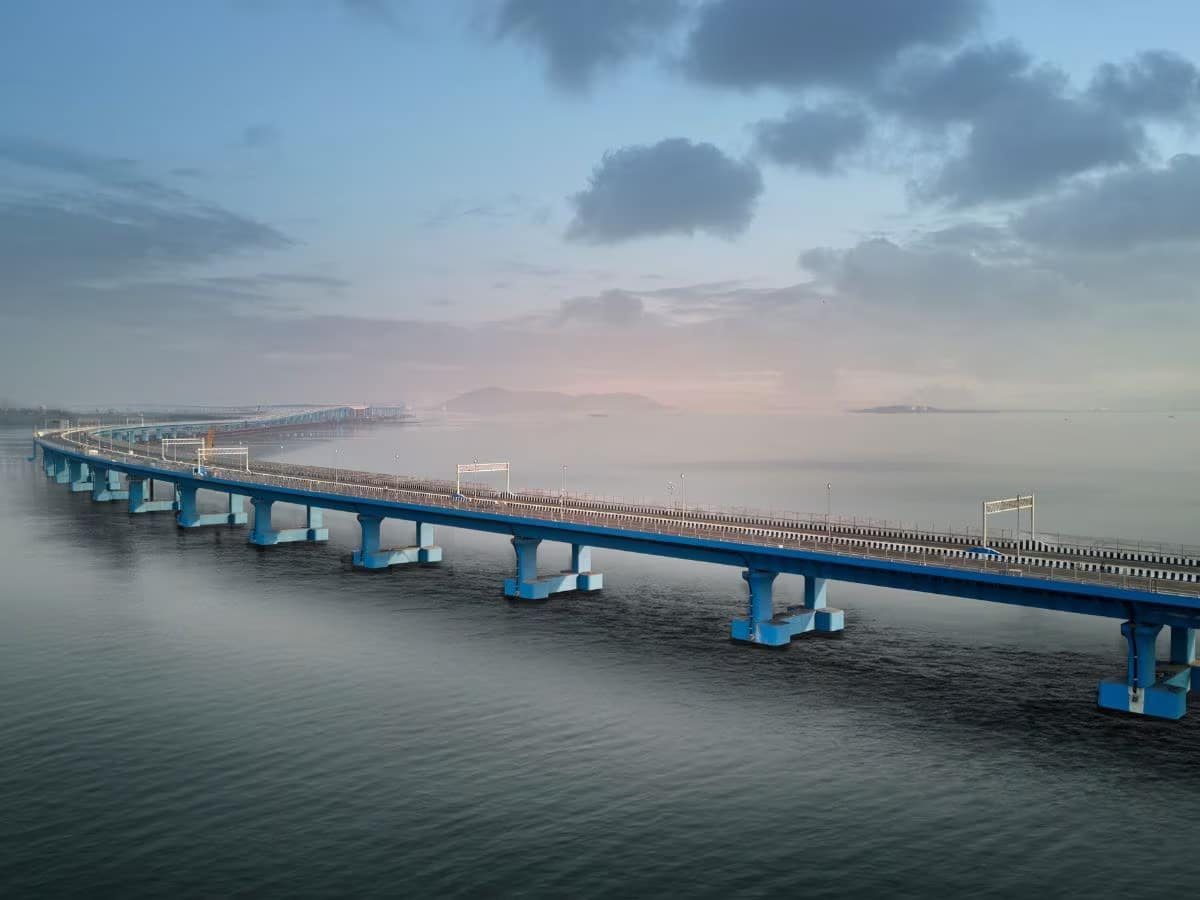
Mumbai Atal Setu Connector Reshapes Regional Travel
Mumbai’s evolving transport network is set for another structural shift as a dedicated connector linking the Atal Setu corridor to the Mumbai–Pune Expressway advances towards completion. The project, located near Chirle in the Mumbai Metropolitan Region, aims to streamline movement between South Mumbai and western Maharashtra, addressing long-standing bottlenecks that have constrained both daily commuting and freight mobility. The new link, commonly referred to as the Atal Setu connector, is designed to provide a direct transition from the trans-harbour corridor to the expressway, bypassing congested urban nodes such as Panvel and internal Navi Mumbai roads. For a region where travel delays often extend unpredictably, this intervention could significantly alter journey reliability rather than just reducing physical distance.
Infrastructure planners indicate that the connector has been engineered as a multi-lane elevated stretch, built to handle high traffic volumes while maintaining uninterrupted flow. By reducing dependence on mixed-use urban roads, the project is expected to create a more segregated and efficient transport pathway, particularly for long-distance and commercial vehicles. This approach aligns with broader efforts to decongest urban cores while enhancing regional connectivity. For commuters, the most immediate impact is likely to be time savings. Estimates suggest a substantial reduction in travel duration between Mumbai and Pune for those using the integrated corridor. Beyond convenience, this has implications for productivity, logistics efficiency, and cost of transport—factors that directly influence economic competitiveness across the Mumbai–Pune industrial belt. Urban development experts note that the Atal Setu connector could also reshape land-use patterns in peripheral areas such as Raigad district. Improved accessibility tends to attract both residential and industrial investments, potentially accelerating real estate activity in emerging zones.
However, they caution that such growth must be accompanied by planned infrastructure, public services, and environmental safeguards to avoid unregulated sprawl. From a sustainability perspective, smoother traffic flow and reduced congestion may lower fuel consumption and vehicular emissions over time. While road-based infrastructure alone cannot deliver low-carbon mobility, optimising existing transport systems remains a critical transitional step. Experts emphasise that such projects should eventually be integrated with public transport and multimodal networks to maximise environmental benefits. The project is being implemented under the oversight of regional planning authorities, with coordination across multiple agencies required for land, clearances, and execution. As work progresses, phased operationalisation is being considered to deliver incremental relief to commuters.
Looking ahead, the connector is expected to play a strategic role in linking key infrastructure assets, including the upcoming Navi Mumbai airport and industrial corridors along the expressway. Its success will depend not only on engineering delivery but also on how effectively it integrates with broader mobility systems. For Mumbai’s expanding metropolitan footprint, the challenge remains balancing speed, accessibility, and sustainability in shaping future transport networks.