


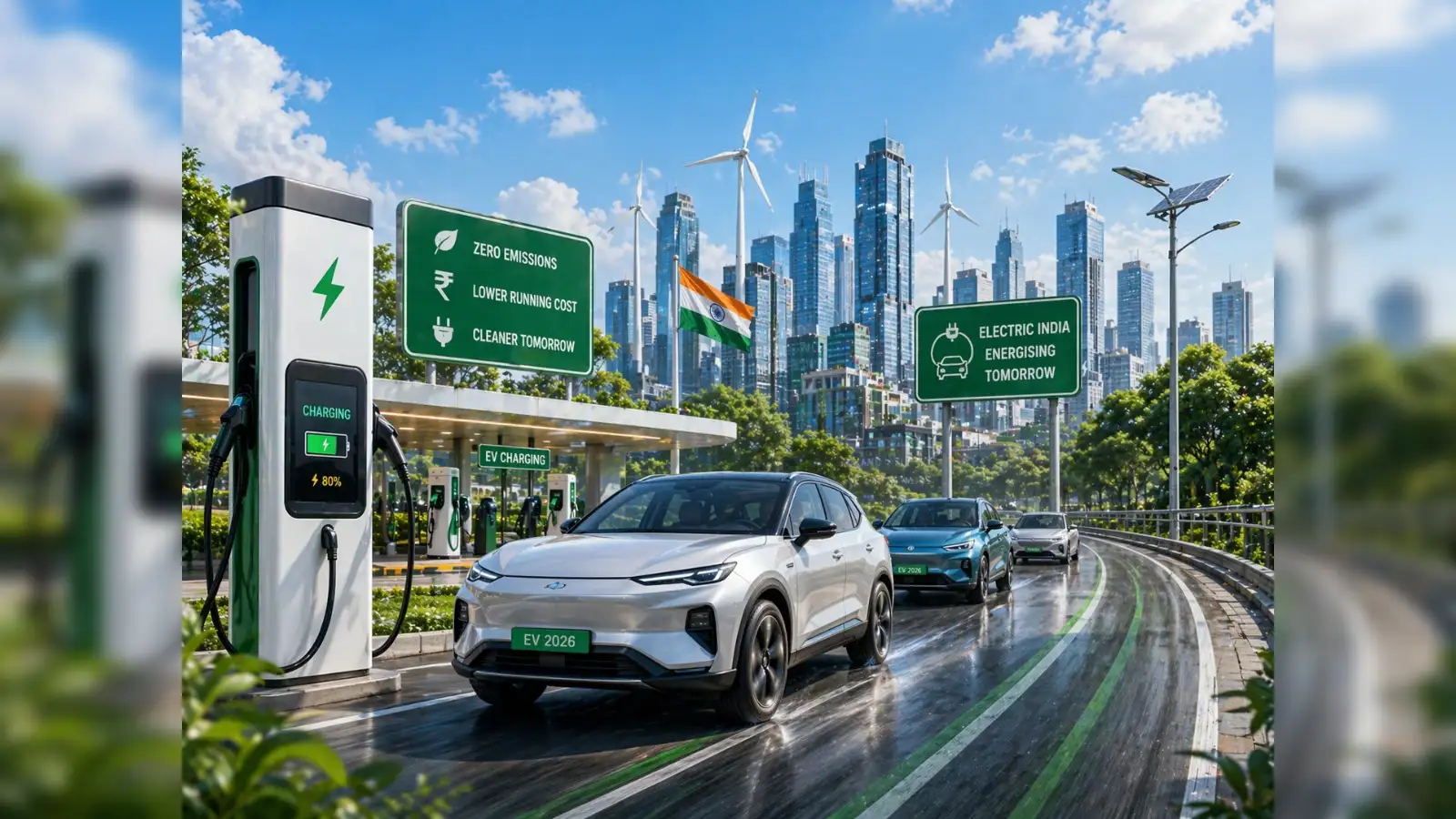
Chennai is emerging as a key node in India’s evolving electric mobility landscape, as global electric vehicle players outline plans to expand charging and service infrastructure in major urban centres. The city’s growing relevance reflects both rising consumer demand and its strategic position within the country’s automotive and manufacturing ecosystem.
Industry observers note that Chennai’s established automobile base and port connectivity make it well-suited for early adoption of advanced mobility solutions.Expanding charging infrastructure in the city is expected to support increasing EV ownership while addressing one of the sector’s core challenges—access to reliable and widespread charging.The Chennai EV network expansion is likely to prioritise high-density urban zones, commercial districts, and transit corridors where demand is concentrated. Experts highlight that integrating charging points into existing urban fabric—such as parking areas, office complexes, and retail hubs—can improve accessibility and encourage usage.From a sustainability perspective, the Chennai EV network expansion aligns with broader efforts to reduce vehicular emissions and improve air quality. As transport remains a significant contributor to urban pollution, electrification offers a pathway toward cleaner mobility, particularly when paired with renewable energy sources.Urban planners emphasise that infrastructure readiness will be critical to scaling adoption.Beyond charging stations, the city will need to ensure grid capacity, efficient energy distribution, and supportive policies.
Smart charging solutions and load management systems can help balance demand and prevent stress on power networks.The initiative also carries economic implications. Expanding EV infrastructure can generate investment opportunities, create skilled jobs, and strengthen Chennai’s position as a hub for automotive innovation. The city’s existing industrial ecosystem provides a foundation for integrating new technologies and services.However, experts caution that equitable access must be a priority. Charging infrastructure should extend beyond premium areas to include residential neighbourhoods and mixed-use zones. Without inclusive planning, the benefits of EV adoption may remain concentrated among higher-income users.Policy support will play a defining role in shaping outcomes. Streamlined approvals, incentives for infrastructure deployment, and standardisation of charging systems can accelerate growth and reduce barriers for both providers and consumers.There are also long-term urban planning considerations. Integrating EV infrastructure into broader mobility strategies—such as public transport and last-mile connectivity—can enhance overall efficiency and reduce dependence on private vehicles.
As Chennai positions itself within the electric mobility transition, the expansion of charging and service networks marks a critical step. Ensuring that this growth is sustainable, inclusive, and well-integrated into the city’s infrastructure will be key to realising the full potential of cleaner urban transport.
Also Read:Chennai Space Servicing Policy Support Drives Industry Growth
