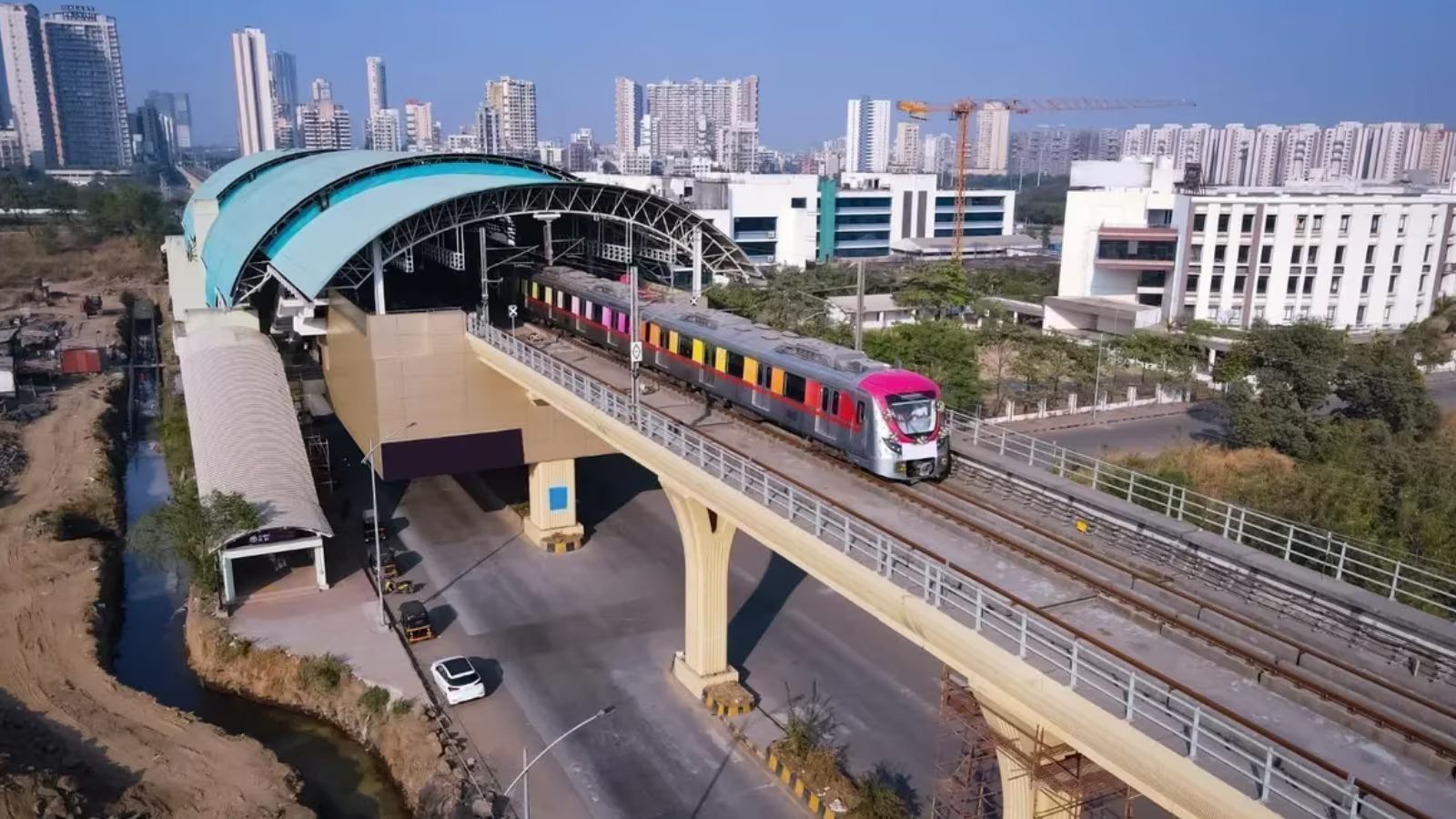
Construction activity has commenced on a long-planned circular metro network in Thane, marking a critical step in addressing mounting congestion in one of the Mumbai Metropolitan Region’s fastest-growing urban centres. The Thane circular metro corridor, designed as a 29-kilometre loop with over 20 stations, aims to improve intra-city connectivity and reduce dependence on road-based transport. The project emerges against a backdrop of rapid urbanisation, where residential expansion and commercial growth have outpaced existing transport infrastructure. Key arterial routes such as Ghodbunder Road have witnessed sustained traffic pressure, with commuters often relying on private vehicles or intermediate public transport to access the suburban rail network. This has resulted in long travel times and unreliable commutes, particularly during peak hours.
Urban planners suggest that the Thane circular metro corridor could significantly alter this pattern by creating an integrated transit loop that connects residential clusters, employment hubs and key public amenities. The alignment is expected to pass through densely populated neighbourhoods and commercial zones, enabling shorter, more predictable journeys within the city. Transport experts note that circular metro systems are particularly effective in reducing radial congestion, where most traffic converges towards a single point—in Thane’s case, the railway station. By distributing passenger flows across multiple nodes, the network could ease pressure on existing infrastructure while improving first- and last-mile connectivity. The corridor is being developed with an estimated investment of around ₹12,000 crore, reflecting the scale of intervention required to retrofit mass transit into an already built-up urban environment. Officials indicate that the initial phase is focused on high-demand stretches, with construction sequencing aimed at minimising disruption to existing traffic.
Beyond mobility benefits, the Thane circular metro corridor is expected to influence land use patterns. Improved accessibility often leads to higher-density, transit-oriented development around stations, which can support more sustainable urban growth if managed effectively. However, experts caution that this must be accompanied by inclusive planning to prevent displacement and ensure equitable access to improved infrastructure. From an environmental standpoint, the shift from road-based commuting to electric metro systems could contribute to lower emissions and reduced fuel consumption. As cities grapple with air quality concerns and climate commitments, investments in mass transit are increasingly seen as essential to achieving low-carbon urban mobility. Integration with other transport modes will be critical to the project’s success. Plans to link metro stations with bus depots and the suburban rail network are expected to create a seamless travel experience, reducing the need for multiple transfers and informal transport options.
With a targeted completion timeline towards the end of the decade, the project represents a long-term intervention rather than an immediate fix. For Thane’s residents, the coming years will test whether infrastructure delivery can keep pace with urban growth. If executed effectively, the circular metro model could offer a blueprint for other emerging cities facing similar mobility challenges.