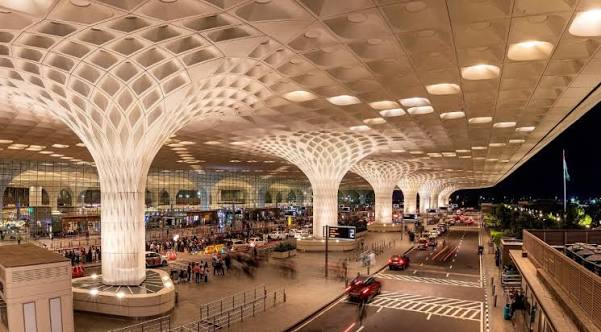
Mumbai Airport Prepares T1 For Major Reconstruction
Mumbai’s airport network is entering a major operational transition ahead of the redevelopment of Terminal 1, with part of the ageing facility scheduled for demolition from January 15, 2027. Flight movements are being redistributed between Terminal 2 and Navi Mumbai International Airport, creating a new two-airport operating pattern for the Mumbai Metropolitan Region while testing how effectively the system can absorb changing passenger flows. Mumbai International Airport Ltd plans to begin with the north section of Terminal 1-B, which handles around five million passengers annually. The decision to limit the first phase to this section is intended to reduce disruption while allowing the wider redevelopment programme to progress. Regulatory documents have previously identified structural and passenger-handling constraints at the existing T1 complex, strengthening the case for substantial reconstruction.
The transition will begin well before demolition. From October 1, at least one-third of international air traffic movements are planned to move to Navi Mumbai International Airport. From October 25, at least one-third of traffic currently operating from T1 is expected to shift to T2. Airlines are being given several months to adjust schedules, ground operations and passenger communications before construction activity begins. Operational changes have already started. Akasa Air moved its domestic operations from T1 to T2 on August 1, while the airport operator is discussing further reallocations with domestic and international carriers. These changes matter because Mumbai airport currently handles more than 950 daily flight movements and has an overall annual capacity exceeding 50 million passengers. T1 and T2 account for approximately 15 million and 40 million passengers respectively.
The emergence of Navi Mumbai International Airport gives the region an opportunity to distribute aviation demand more efficiently rather than continuing to concentrate growth at a heavily constrained urban airport. For passengers, however, the benefits will depend on reliable ground connectivity between the metropolitan region’s major economic centres and the new airport. The transition also carries an infrastructure and environmental dimension. Concentrating fewer operations at one facility while expanding another does not automatically reduce aviation’s environmental footprint. Longer road journeys to airports can increase travel emissions unless supported by efficient public transport and well-integrated regional connectivity. For airlines, the changes will require careful coordination of aircraft rotations, slots, baggage systems, crew movements and passenger transfers. For travellers, the immediate priority is clarity: airport terminals can change faster than passengers’ travel habits.
The airport operator has sought a coordinated transition mechanism involving aviation authorities and other stakeholders. That coordination will be important as Mumbai moves from a single dominant airport model towards a more distributed aviation network. The success of the Mumbai airport redevelopment will ultimately be measured not only by the new terminal infrastructure, but by whether the transition delivers safer, more efficient and accessible air travel for the region.