


Pune’s proposed plan to examine bringing 8 TMC of water from the Mulshi and Khadakwasla dams to the Khadakwasla area has exposed a legal and inter-regional resource question before any additional supply can be approved. The proposal is still at the feasibility-study stage, while Tata Power’s rights over Mulshi water and a pending Bombay High Court case remain unresolved.
At a meeting chaired by Maharashtra Chief Minister Devendra Fadnavis in Mumbai on Friday, November 20, officials were directed to prepare a long-term water-supply plan for the Pune Metropolitan Region up to 2047. They were also asked to study the technical and financial feasibility of a pipeline that could bring about 8 TMC from the Mulshi and Khadakwasla dams to Khadakwasla.
The direction does not amount to a final water allocation decision. It begins an examination of whether the proposed infrastructure can be built, financed and operated, and whether the water can legally be diverted without affecting existing users and uses.
The immediate challenge is the status of Mulshi dam. The dam is privately owned by Tata Power, which has opposed an earlier proposal to supply 1 TMC to 24 villages, including Hinjawadi and Mann. The company filed writ petition No. 14987/2023 in the Bombay High Court in 2023, according to the report. In June that year, the court stayed work on the proposed pipeline in the Mulshi dam area.
The report says the court’s July 19, 2023 order noted that the Principal Secretary of the state’s Water Supply and Sanitation Department and the concerned Secretary of the Water Resources Department had taken separate and conflicting positions on the matter. The court directed the two departments to file separate affidavits. The petition remains pending, according to Sajag Nagrik Manch president Vivek Velankar, whose organisation has questioned how the larger 8 TMC proposal can proceed while the earlier 1 TMC dispute remains before the court.
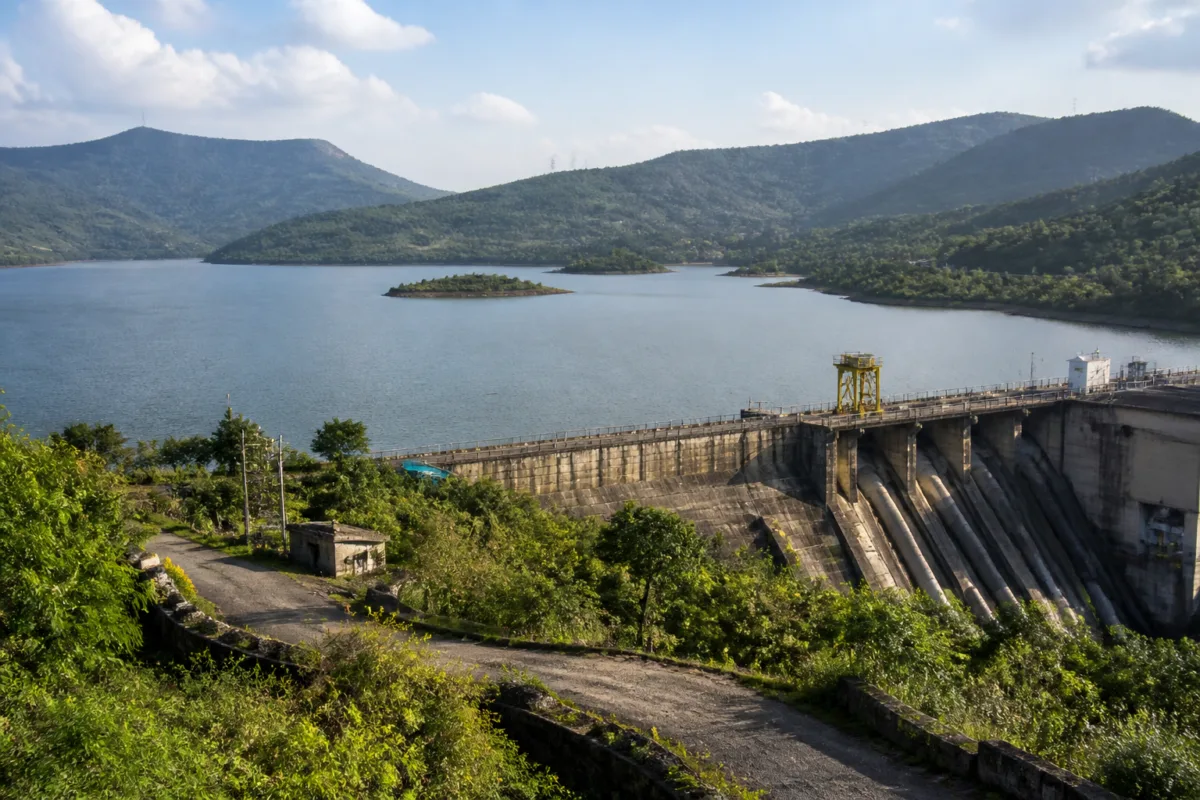
Mulshi is not simply an unused reservoir that can be reassigned to another urban network. Tata Power built the dam around a century ago. Under the Krishna Water Disputes Tribunal award, the company is permitted to store 42 TMC of water in the dam annually, the report says. That water is used to operate hydroelectric projects at Bhira, Bhivpuri and Khopoli, which supply power to Mumbai.
After power generation, the water is made available for irrigation and industrial use in Raigad district. Any diversion to Pune would therefore have consequences beyond the city’s municipal boundary. A feasibility study would need to examine how a new urban supply arrangement could interact with hydropower operations and with irrigation and industrial users in Raigad.
The earlier 1 TMC proposal illustrates the institutional complexity. In 2022, the Maharashtra government decided to provide drinking water from Mulshi to 24 villages and awarded the pipeline contract to Kalyan Toll Infra Limited, a private firm. Tata Power opposed the move, arguing that unilateral diversion could affect hydroelectric generation and, consequently, water availability for irrigation and industrial use in Raigad.
Against this background, the government’s new direction raises questions about sequencing. The state will need to establish the existing legal position, identify the rights and obligations of the parties, and assess the effect of diversion on current water and power systems before a larger supply project can move beyond examination. The technical study cannot by itself settle the court proceedings or replace decisions on water allocation.
Velankar has also questioned whether the Chief Minister was briefed on the earlier litigation before the feasibility study was ordered, and whether Tata Power’s position has been obtained on releasing 8 TMC for Pune. These are demands from Sajag Nagrik Manch, not confirmed government findings. The report does not provide a response from Tata Power or a fresh statement from the state departments on the proposed study.
For Pune and the wider metropolitan region, the proposal signals that future water planning is being considered at a regional scale rather than only through existing city sources. But the proposal also shows why additional supply cannot be measured only by the quantity promised. The source, conveyance infrastructure, financial viability, competing uses, legal rights and downstream effects will determine whether the plan can deliver water to residents.
The next substantive step is therefore not the arrival of 8 TMC in Pune, but a documented feasibility assessment. Its value will depend on whether it addresses the pending court dispute, Tata Power’s operating interests, hydropower generation, Raigad’s irrigation and industrial needs, pipeline costs and the governance arrangements required to implement any eventual decision.

