


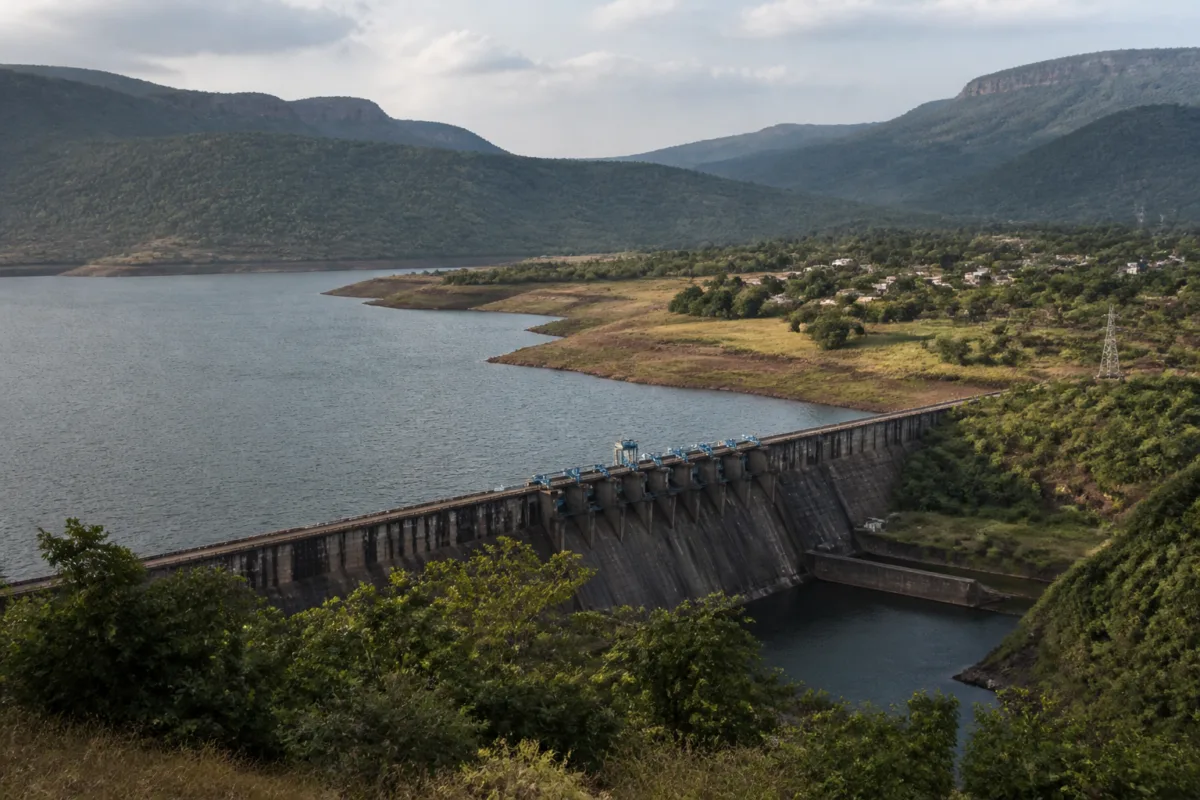
Pune’s proposed plan to bring up to eight thousand million cubic feet (TMC) of water from Mulshi and Khadakwasla reservoirs to the Pune Metropolitan Region is still at the feasibility-study stage, but it has already raised questions over water rights, hydropower generation and a pending court dispute.
Chief Minister Devendra Fadnavis directed officials to examine the technical and financial feasibility of bringing about 8 TMC of water to the Khadakwasla area, according to a report by Civic Mirror. The directions followed a meeting in Mumbai on 20 November on preparing a long-term water-supply plan for the Pune Metropolitan Region up to 2047.
The proposal is not a final water-allocation decision. It calls for an assessment of the pipeline infrastructure required to transfer water from Mulshi and Khadakwasla reservoirs, as well as the cost and technical viability of the scheme.
The immediate complication is that Tata Power operates the Mulshi dam and has challenged an earlier proposal to divert 1 TMC of water for drinking-water supply to Hinjewadi, Maan and 24 other villages. The company’s challenge is pending before the Bombay High Court, according to Sajag Nagrik Manch president Vivek Velankar, whose questions were reported by Civic Mirror.
The earlier proposal dates to 2022, when the Maharashtra government decided to make 1 TMC available for drinking-water use in the 26 villages. Kalyan Toll Infra Ltd was awarded the contract to lay the pipeline. Tata Power opposed the diversion, arguing that it could affect hydropower generation and the subsequent availability of water for irrigation and industrial use in Raigad district.
The company filed a petition in the Bombay High Court in 2023. In June that year, the court stayed work on the proposed pipeline in the Mulshi dam area. An order dated 19 July 2023 recorded that the state government’s Water Supply and Sanitation Department and Water Resources Department had taken independent and conflicting positions in the matter, and directed senior officials from both departments to file separate affidavits, as described in the report.
The dispute is linked to Mulshi’s existing role in the regional water and power system. Tata Power built the dam about a century ago and, under the Krishna Water Disputes Tribunal award, has permission to store 42 TMC of water annually, according to Civic Mirror. The company uses the water for hydropower projects at Bhira, Bhivpuri and Khopoli, which supply electricity to Mumbai. After power generation, the water becomes available for irrigation and industrial use in Raigad district.
This means a larger diversion for Pune would have consequences beyond the city’s drinking-water demand. Any assessment would need to examine how the proposed transfer could affect electricity generation, downstream irrigation and industrial supply, as well as the legal status of the water currently used by the hydropower system.
Velankar has questioned whether Tata Power would consent to diverting 8 TMC when it has challenged the diversion of 1 TMC for the 26 villages. He has also asked whether the government has assessed the impact on hydropower generation and Raigad’s irrigation and industrial water supply, and how the earlier court stay would affect a larger proposal.
For Pune, the issue is part of a wider challenge: finding reliable additional water sources for a growing urban region while reconciling existing allocations and competing uses. A feasibility study can establish the engineering and financial requirements, but it cannot by itself settle ownership or usage rights, resolve the pending litigation or authorise a diversion.
The government’s next steps will therefore need to clarify the legal basis for the proposed transfer, the position of Tata Power, the findings of the technical and economic assessment, and the implications for downstream users. Until those questions are addressed, the 8 TMC figure remains a proposal under examination rather than an assured addition to Pune’s water supply.

