Maharashtra Biogas Policy Targets Waste To Energy Shift
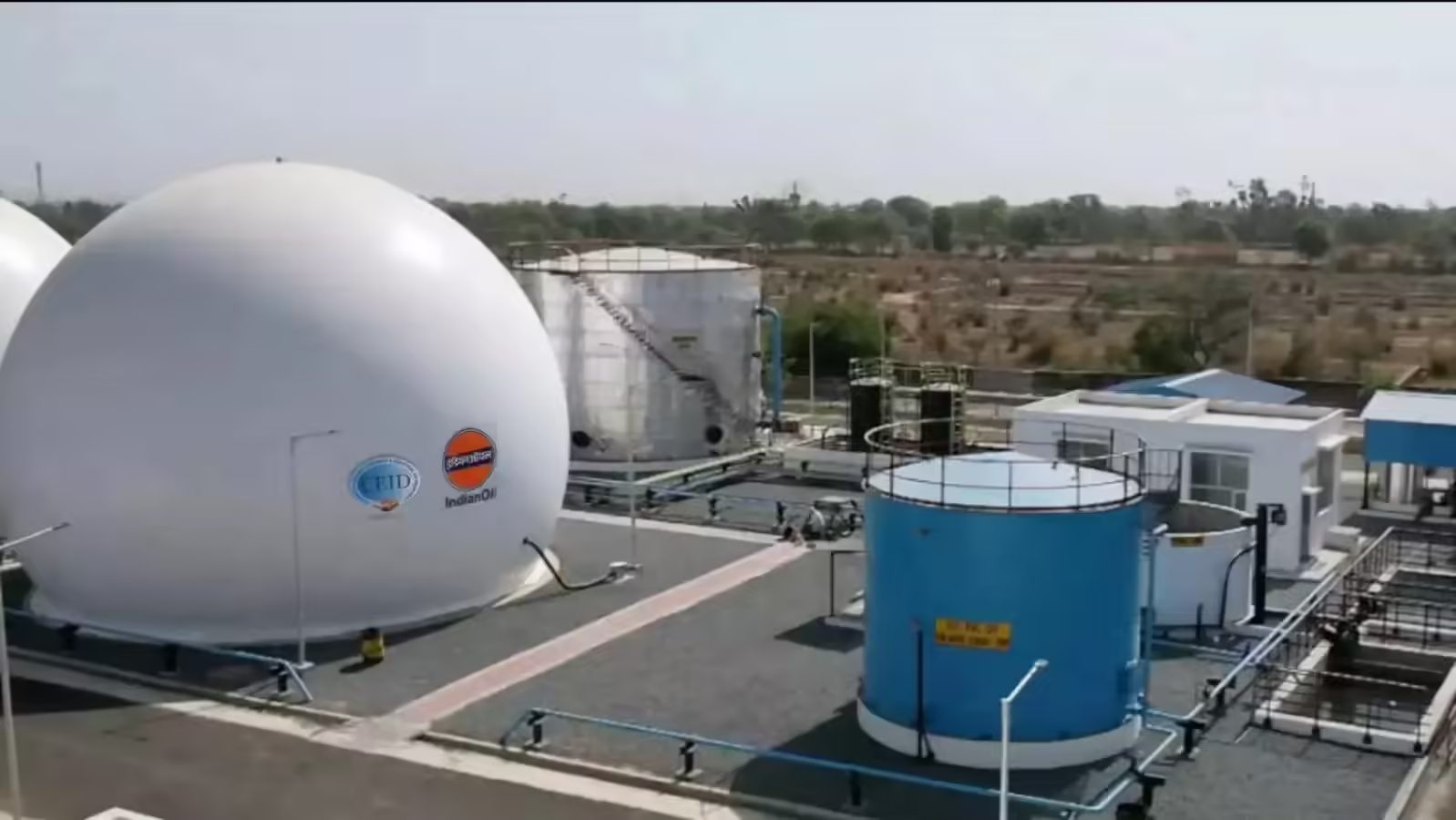
Maharashtra has approved a new policy framework to scale up compressed biogas production, marking a shift in how cities and rural regions manage organic waste while addressing growing energy demand. With a financial allocation of ₹500 crore for the coming fiscal year, the initiative seeks to convert municipal waste and agricultural residue into cleaner fuel, positioning waste management as a core part of the state’s energy transition. At its centre, the Maharashtra biogas policy aims to link segregated biodegradable waste streams from urban local bodies with decentralised processing facilities. By redirecting organic waste away from landfills, the policy is expected to reduce methane emissions, improve air quality, and ease pressure on already strained dumping grounds in major cities.
Officials involved in planning indicate that large-scale plants, each handling significant daily waste volumes, will be developed through public-private partnerships. This approach is designed to attract private investment while ensuring steady feedstock supply through municipal systems. Where waste availability is limited, cluster-based models are proposed, enabling smaller towns or rural areas to pool resources and sustain viable operations. Beyond urban waste, the policy also integrates agricultural by-products such as crop residue and cattle waste. For farmers, this could open an additional revenue stream, particularly in regions where stubble burning remains a persistent environmental challenge. Industry experts suggest that monetising such waste could help reduce seasonal air pollution while contributing to circular economy practices. To support implementation, the state plans to simplify regulatory processes through a single-window clearance mechanism and offer land on lease for project development.
A digital platform is also expected to connect waste generators with plant operators, improving transparency in supply chains and reducing logistical inefficiencies that have historically hindered waste-to-energy projects. Urban planners view the Maharashtra biogas policy as part of a broader push towards climate-resilient infrastructure. Converting organic waste into compressed biogas not only reduces landfill dependency but also produces organic fertiliser as a by-product, which can support sustainable agriculture. However, they caution that success will depend on consistent waste segregation at source—an area where many Indian cities continue to face behavioural and operational challenges. From an economic standpoint, the policy could stimulate new investments in green infrastructure and generate employment across collection, processing, and distribution networks. Yet, questions remain around long-term financial viability, especially in balancing operational costs with market pricing for biogas and fertiliser products.
As Maharashtra moves to operationalise the policy, its effectiveness will hinge on coordination between civic bodies, private developers, and local communities. If implemented effectively, it could provide a scalable model for integrating waste management with clean energy production, offering both environmental and economic dividends for rapidly urbanising regions.