Indore SEZ water boost raises sustainability concerns
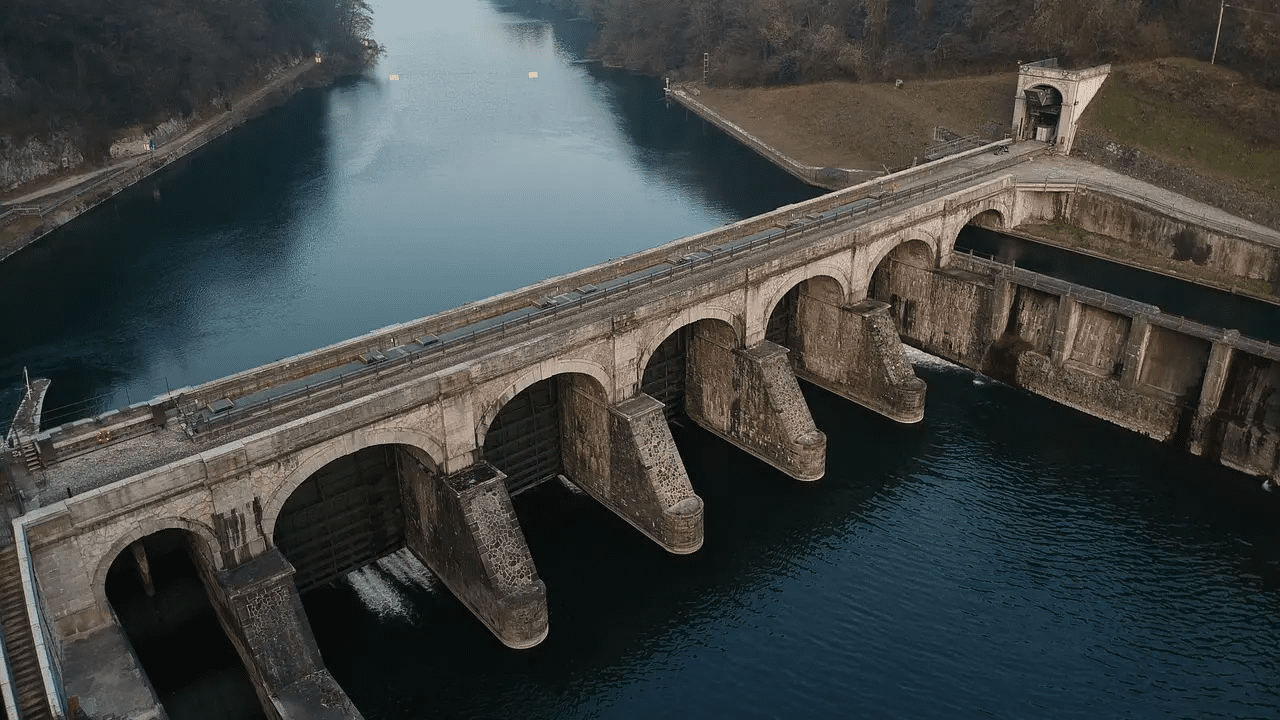
Maharashtra has reported a stronger reservoir position compared to last year, even as policymakers warn that climate variability could disrupt water availability in the months ahead. Current Maharashtra water storage levels are estimated at over 650 thousand million cubic feet, offering a temporary buffer against potential rainfall irregularities linked to El Niño conditions. Officials presented the updated figures during a recent cabinet review, highlighting that storage has improved significantly year-on-year. However, the emphasis has shifted from availability to management, with authorities urging a more cautious approach to consumption. The concern stems from historical patterns where El Niño years have coincided with below-average rainfall, placing pressure on both urban and rural water systems.
Experts in water resource management point out that higher Maharashtra water storage levels at the end of one cycle do not necessarily guarantee stability through the next. Reservoirs depend heavily on monsoon performance, and even short-term rainfall deficits can quickly alter supply dynamics, particularly in regions already facing groundwater stress. Urban centres like Mumbai, Pune, and Nagpur rely on a combination of dam-fed supply and local storage systems. A disruption in inflows could lead to tighter distribution schedules, increased tanker dependence, and higher operational costs for municipal bodies. In parallel, agricultural regions may face competing demands between irrigation needs and drinking water priorities. Climate scientists note that El Niño events typically bring uneven rainfall distribution rather than uniform deficits. This can result in intense but short-lived downpours, followed by prolonged dry spells. Such variability challenges traditional water management systems, which are designed around predictable seasonal patterns rather than extremes.
To address these uncertainties, the state administration is exploring conservation-focused measures, including regulated usage, improved monitoring, and public awareness campaigns. Urban planners suggest that long-term resilience will require deeper structural changes, such as expanding rainwater harvesting, recycling wastewater, and protecting natural water bodies that act as buffers during dry periods. The issue also has economic implications. Industries dependent on consistent water supply—ranging from manufacturing to construction—may face operational risks if shortages emerge. Similarly, real estate development in water-stressed zones could come under scrutiny, particularly as sustainability considerations gain prominence in urban planning decisions. While the current storage position provides some reassurance, the coming monsoon will remain a critical determinant of water security across the state. Authorities are expected to maintain close monitoring of reservoir levels and rainfall patterns in the months ahead.
The evolving situation underscores a broader challenge for rapidly urbanising regions: balancing immediate resource availability with long-term climate resilience. How Maharashtra manages its water resources in the face of uncertainty may offer important lessons for other states navigating similar environmental pressures.