


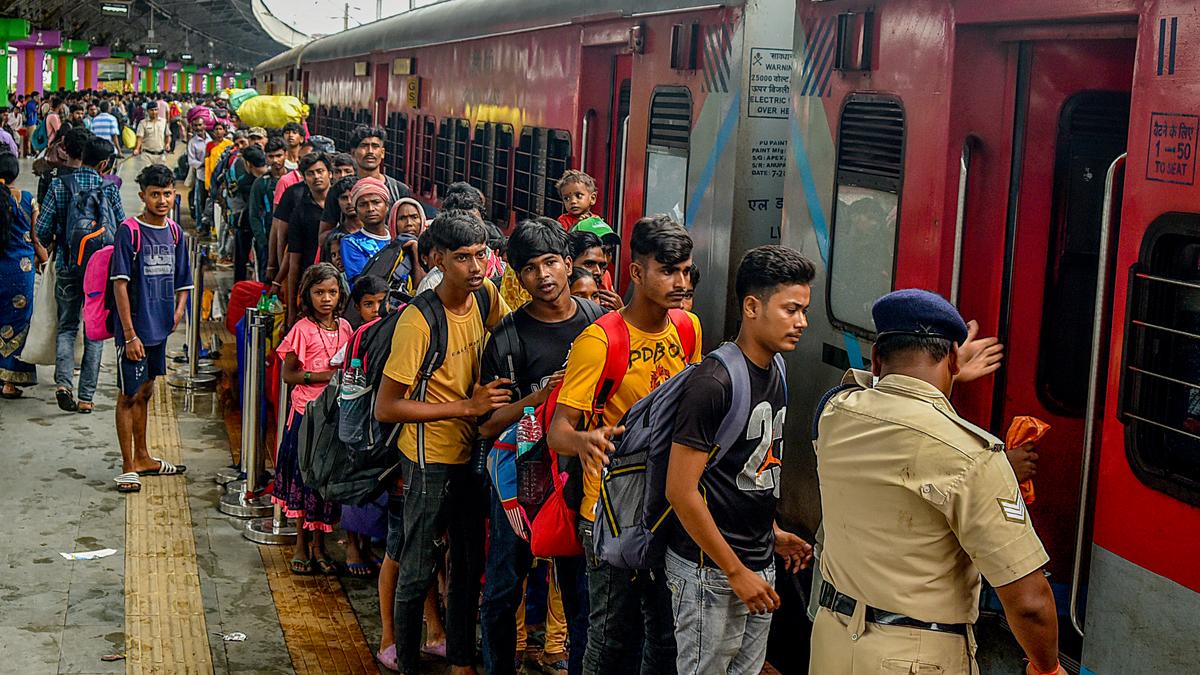
A growing number of young professionals in Kolkata are seeking opportunities outside the city, citing limited career growth and uncertain employment prospects. The trend is raising concerns about talent retention and the long-term economic vitality of one of eastern India’s key urban centres.
Across sectors, early-career professionals report challenges in accessing stable, well-paying jobs that align with their skills and aspirations. While Kolkata continues to offer opportunities in traditional industries and public sector roles, many young workers feel that emerging sectors—such as technology, advanced services, and innovation-driven industries—are not expanding at a pace comparable to other metropolitan regions.The resulting Kolkata youth migration is increasingly visible, with graduates and skilled workers relocating to cities like Bengaluru, Hyderabad, and Pune in search of better prospects. This outward movement is not only reshaping individual career trajectories but also influencing the city’s labour market dynamics, as employers face challenges in retaining skilled talent.Economic analysts point out that the issue is tied to structural shifts in India’s urban economy. Cities that have successfully diversified into high-growth sectors are attracting a disproportionate share of investment and talent. In contrast, regions where economic transformation has been slower may struggle to keep pace, leading to imbalances in job creation and income growth.For Kolkata, the implications extend beyond employment statistics. The migration of young professionals can affect consumption patterns, entrepreneurship, and innovation within the city.
A shrinking pool of skilled workers may also impact the competitiveness of local industries, creating a cycle that further limits economic expansion.Urban planners highlight that addressing the Kolkata youth migration trend requires a multi-dimensional approach. This includes fostering an environment conducive to new industries, improving ease of doing business, and investing in infrastructure that supports modern economic activity. Strengthening connections between educational institutions and industry can also help align skill development with market demand.There are also social dimensions to consider. For many young individuals, migration is not just an economic decision but a response to broader aspirations, including quality of life, work culture, and exposure to global opportunities.Cities that offer a combination of economic dynamism and liveability tend to attract and retain talent more effectively.From a policy perspective, the challenge lies in balancing immediate employment needs with long-term economic transformation.Incentivising investment in emerging sectors, supporting startups, and enhancing digital infrastructure could help create a more diverse job ecosystem.At the same time, experts caution that migration is a natural aspect of urbanisation and economic development. The goal, they suggest, should not be to prevent movement but to ensure that cities remain competitive and capable of attracting talent back over time.
As Kolkata navigates these shifts, the focus will likely remain on creating conditions that support sustainable and inclusive growth. The city’s ability to adapt to changing economic realities will play a crucial role in determining whether it can retain its young workforce or continue to see talent flow outward in search of opportunity.
Also Read:Kolkata Weather Alert Warns Of Storms And Rain
