


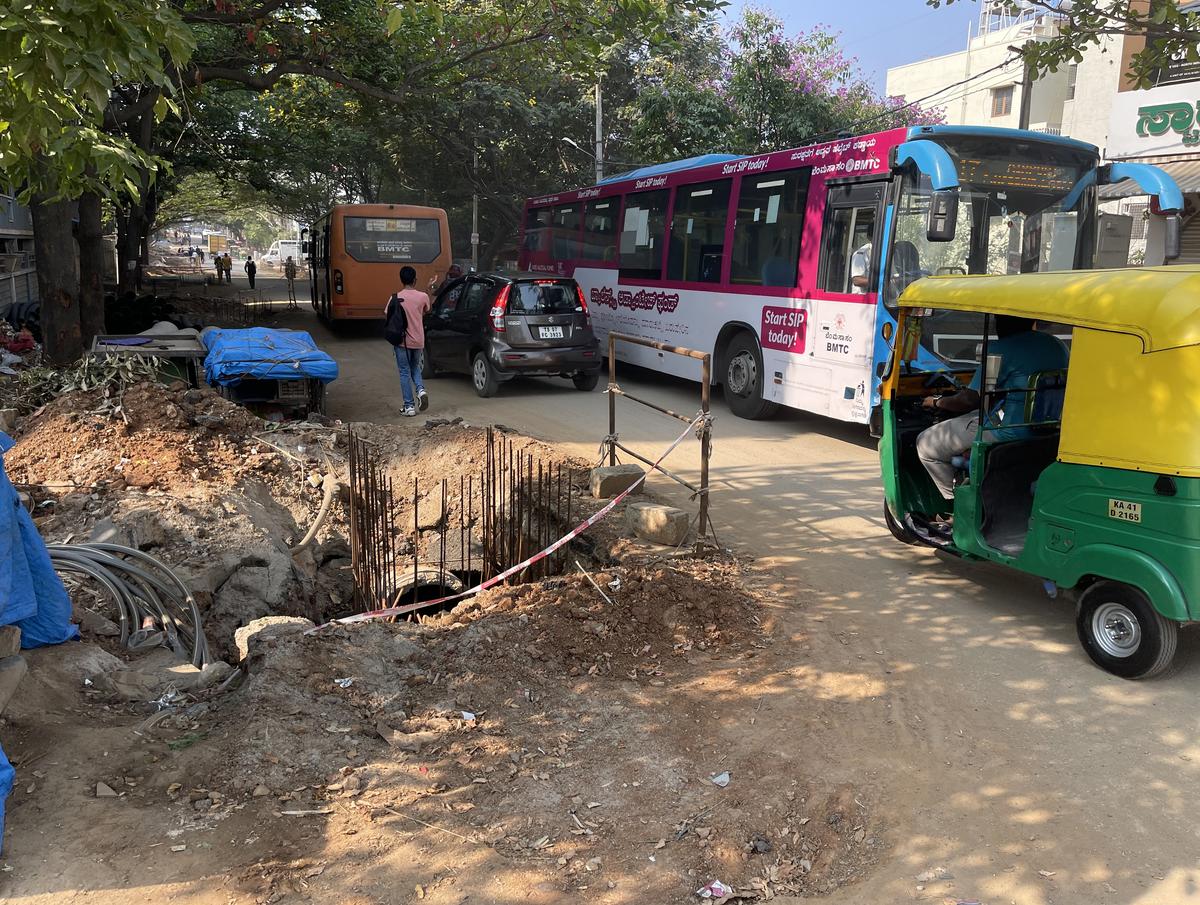
Prolonged road excavation in Bengaluru’s Banashankari 1st Stage is disrupting daily life, exposing persistent challenges in urban infrastructure coordination and project execution. The situation reflects a broader pattern in rapidly growing cities where development works often clash with everyday mobility and liveability needs.
Residents in Banashankari 1st Stage report that ongoing digging for utility upgrades has left stretches of roads unusable for extended periods. Commuters face delays, dust pollution, and increased wear on vehicles, while pedestrians navigate uneven and sometimes unsafe pathways.The disruption highlights the complexities of managing multiple infrastructure projects simultaneously. In cities like Bengaluru, utility upgrades—covering water pipelines, sewage systems, and underground cabling—are essential to support growing demand.However, the lack of coordination between agencies often results in repeated digging, prolonged closures, and inefficient use of public space.Urban experts note that such conditions are symptomatic of fragmented planning processes. Without integrated project scheduling and shared data systems, different departments may undertake works sequentially rather than collaboratively, extending the duration of disruption for residents. This not only affects mobility but also undermines public confidence in infrastructure development.The issue also has environmental implications.
Dust from construction sites contributes to air pollution, while damaged road surfaces can worsen drainage problems during rainfall, increasing the risk of waterlogging. Incorporating sustainable construction practices and enforcing strict timelines can help mitigate these impacts.From a civic perspective, the situation raises concerns about accountability and transparency. Residents often lack clear information on project timelines, scope, and completion dates, making it difficult to plan daily routines. Improved communication through digital platforms and on-site updates could help bridge this gap.The challenges in Banashankari also reflect the pressures of urban expansion. As Bengaluru continues to grow, the demand for upgraded infrastructure is inevitable. However, ensuring that such upgrades are executed efficiently and with minimal disruption is critical to maintaining urban liveability.Experts suggest that adopting integrated infrastructure corridors—where multiple utilities are planned and installed together—could reduce the need for repeated excavation. Additionally, the use of advanced construction technologies and real-time monitoring systems may improve efficiency and reduce delays.
As works continue, residents are calling for faster completion and better coordination.The situation serves as a reminder that infrastructure development must be as much about execution as it is about planning.For Bengaluru, addressing these gaps will be essential in balancing growth with quality of life, ensuring that the city’s infrastructure upgrades do not come at the cost of everyday convenience and environmental sustainability.
Also Read:Kolkata Youth Migration Rises Amid Job Concerns
