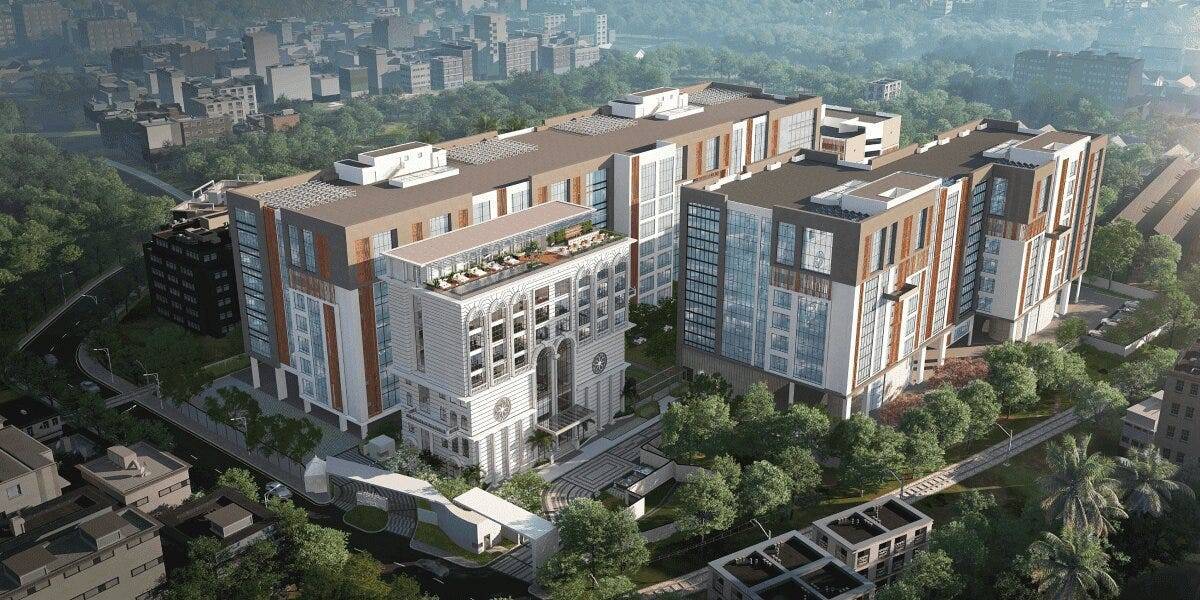
Kolkata Housing Push Targets Thousands of Families
West Bengal is preparing a new round of public housing development in and around Kolkata, with projects planned across Thakurpukur and New Town as part of a wider programme expected to benefit about 3,500 families. The move could add to the city’s affordable housing supply while bringing renewed attention to how scarce urban land is allocated between different income groups.
The West Bengal Housing Board is preparing a large residential development on roughly 22 acres at Thakurpukur. The scheme is expected to include homes for lower-income, middle-income and higher-income households, creating a broader mix than the state board’s recent housing activity.Two further developments are planned in New Town. One involves 12 G+4 buildings in Action Area I, while a stalled project covering about 9.4 acres in Action Area II is being considered for revival. Together, the projects could add more than 500 homes, although detailed project reports are still being prepared. Officials have set construction and handover targets extending into 2028.The return of lower- and middle-income housing is significant. Officials have indicated that the Housing Board has not undertaken LIG and MIG projects for roughly nine to 10 years. At a time when land values and housing costs remain major barriers to city living, Kolkata housing policy will increasingly depend not only on the number of homes built but also on where they are located and how well they connect residents to jobs, public transport, schools and healthcare.
Current Housing Board pricing places LIG homes at about ₹4,500 per square foot, with MIG categories priced at ₹5,100 and ₹5,500 per square foot on carpet-area calculations. Higher-income homes remain market-linked. Allocation of the new homes and residential plots is planned through lotteries, while the government also intends to shift new allotments towards freehold ownership rather than leasehold arrangements.For Kolkata housing, the larger urban question is whether new construction can support inclusive growth without pushing lower-income households towards peripheral locations. Publicly owned land can reduce some development costs, but affordability also depends on transport access, basic services, climate resilience and long-term maintenance.The programme also extends beyond Kolkata, with another lower- and middle-income housing project planned in Siliguri and residential plots proposed at Binnaguri in Jalpaiguri. The state has separately maintained housing programmes for LIG and MIG households, including the Nijashree scheme, which uses public land and infrastructure to reduce housing costs.
The next test will therefore be implementation. For citizens, the value of these projects will ultimately be measured not simply by completed buildings, but by whether they deliver secure, connected and financially accessible homes within a functioning urban environment.