


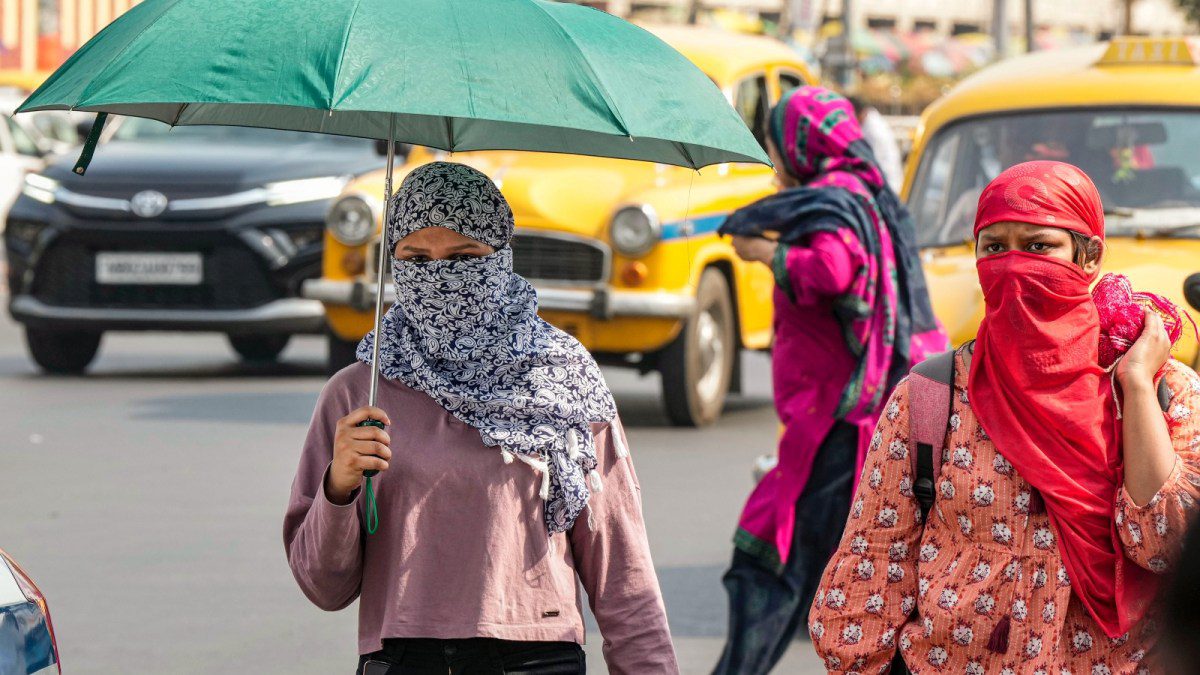
Kolkata is bracing for a sharp rise in temperatures, with forecasts indicating that daytime highs could approach 42°C in the coming days before a potential spell of rainfall brings temporary relief. The fluctuating weather pattern underscores growing climate stress in dense urban centres, where heatwaves increasingly disrupt daily life and strain infrastructure.
Meteorological assessments suggest that dry, hot winds and clear skies are driving the current temperature spike, intensifying heat exposure across the city. While rain-bearing systems are expected to arrive soon, offering short-term respite, the frequency and intensity of such heat events are becoming a recurring concern for eastern India’s urban regions.For residents, especially those in high-density neighbourhoods with limited green cover, the impact is immediate. Prolonged exposure to extreme heat affects productivity, health, and energy consumption, with increased reliance on cooling appliances pushing up electricity demand. Urban health experts warn that vulnerable populations—including the elderly, outdoor workers, and low-income households—face heightened risks during such periods.The situation highlights structural challenges in Kolkata’s urban design. Limited tree cover, heat-absorbing construction materials, and congested built environments contribute to the urban heat island effect, where city temperatures remain significantly higher than surrounding rural areas. Urban planners note that without interventions such as expanded green spaces, reflective building materials, and climate-sensitive zoning, cities will continue to amplify natural temperature extremes.
Rainfall, while offering immediate cooling, brings its own set of complications.Sudden showers following intense heat can overwhelm drainage systems, leading to waterlogging in low-lying areas. This cyclical stress—heat followed by heavy rain—tests the resilience of urban infrastructure and underscores the need for integrated climate adaptation strategies.From an economic standpoint, fluctuating weather patterns disrupt sectors ranging from construction to retail. Outdoor work schedules are often adjusted or halted during peak heat, affecting productivity and labour income.Meanwhile, increased cooling demand raises operational costs for businesses, adding pressure to already resource-constrained urban economies.Experts emphasise that addressing such climate volatility requires long-term planning rather than reactive measures. Expanding urban green cover, investing in heat-resilient infrastructure, and improving early warning systems are seen as critical steps.Additionally, promoting passive cooling in buildings and strengthening public awareness around heat safety can reduce the burden on both citizens and city systems.
As Kolkata navigates another cycle of extreme heat followed by anticipated rainfall, the episode reflects a broader reality facing Indian cities: climate variability is no longer an exception but an emerging norm. The challenge ahead lies in aligning urban growth with resilience strategies that protect both people and infrastructure from escalating environmental stress.
Also Read:Kolkata Mini Marathon Boosts Urban Fitness Culture
