


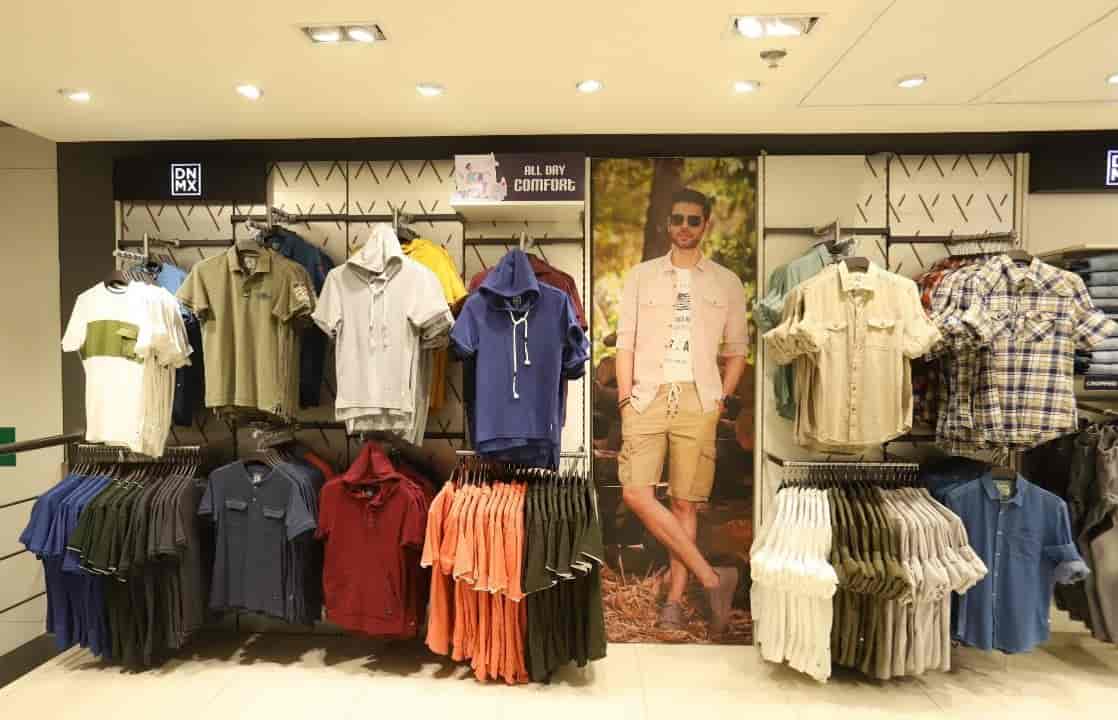
Kolkata’s fashion retail landscape is undergoing a noticeable shift, driven by changing consumer preferences, digital influence, and the rise of new-age brands targeting urban buyers. The evolution reflects broader transformations in how city residents engage with fashion—not just as a product, but as an expression of lifestyle, identity, and economic aspiration.
Retail observers note that younger consumers in Kolkata are increasingly drawn to curated, design-led apparel that blends affordability with individuality. This trend is reshaping demand patterns, pushing retailers to rethink supply chains, inventory cycles, and store experiences. Rather than relying solely on traditional seasonal collections, many businesses are adopting faster, more responsive models aligned with digital trends and social media influence.The shift is also linked to the growth of hybrid retail formats. Online platforms, pop-up stores, and boutique outlets are gaining traction alongside conventional high-street markets. For urban planners and real estate stakeholders, this transition signals a reconfiguration of commercial spaces.Smaller, experience-driven retail environments are emerging as viable alternatives to large-format stores, particularly in dense neighbourhoods where space is limited and footfall patterns are evolving.From an economic perspective, the changing fashion ecosystem is creating opportunities for local designers, small-scale manufacturers, and independent entrepreneurs.
The decentralisation of retail—enabled by e-commerce and social platforms—allows new entrants to access urban markets without heavy upfront investment in physical infrastructure. This diversification can contribute to a more inclusive urban economy, provided there is adequate support in terms of logistics, financing, and policy frameworks.However, the rapid pace of consumption raises sustainability concerns.Industry experts caution that fast-changing fashion cycles can lead to increased textile waste and resource use, particularly in cities where waste management systems are already under pressure. Integrating sustainable materials, promoting circular fashion practices, and encouraging conscious consumption are seen as essential steps to balance growth with environmental responsibility.Kolkata’s evolving fashion market also reflects broader lifestyle changes. As work patterns shift and social spaces diversify, clothing preferences are becoming more versatile, blending comfort with style. This aligns with global urban trends where functionality and sustainability are gaining prominence alongside aesthetics.
The ongoing transformation highlights the intersection of retail, urban development, and consumer behaviour. As Kolkata adapts to these shifts, the challenge will be to ensure that growth in the fashion sector aligns with sustainable practices and equitable opportunities, shaping a retail ecosystem that is both dynamic and responsible.
Also Read:Kolkata Heatwave Raises Urban Climate Resilience Concerns
