


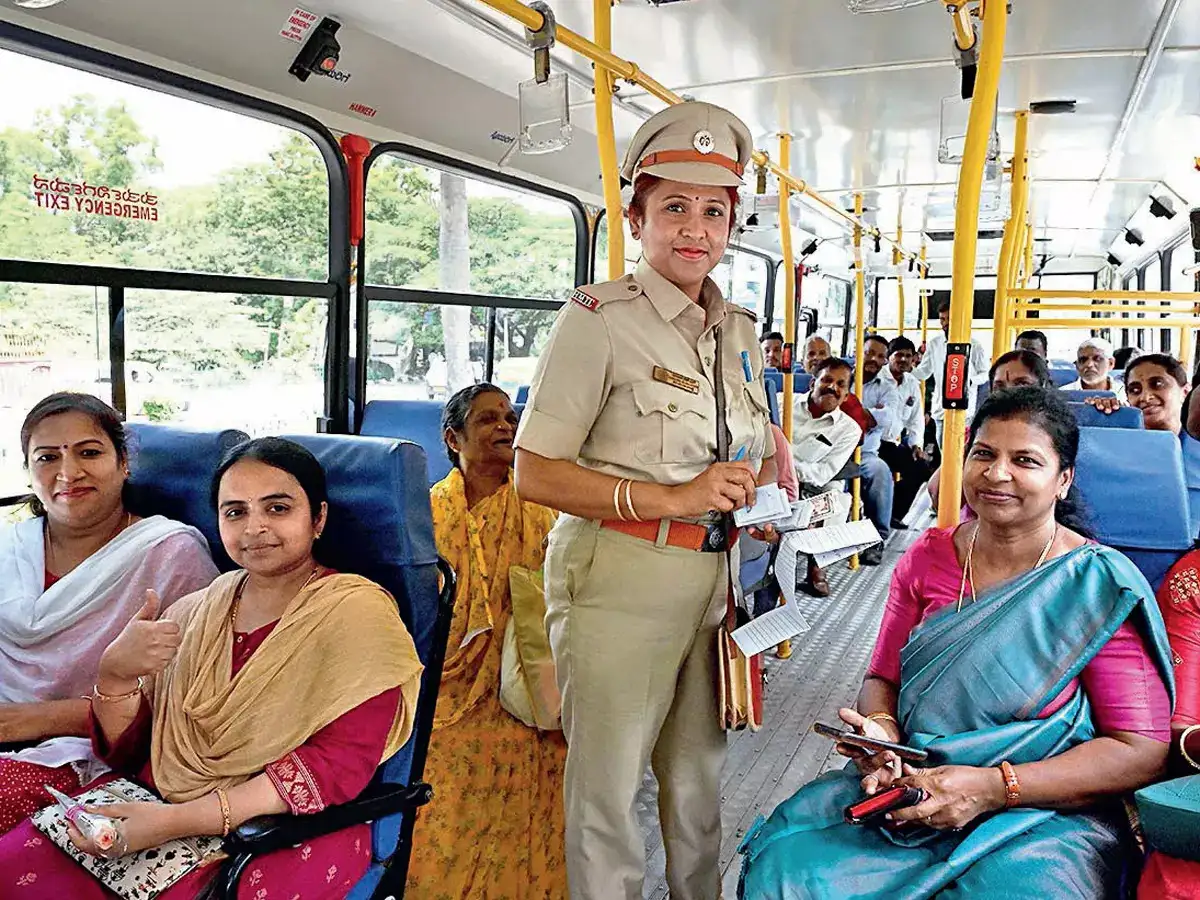
A proposal to introduce free travel for women on state-run buses in Kolkata has brought urban mobility into sharp focus ahead of the election cycle. The plan, if implemented, could significantly alter commuting patterns in one of India’s most transit-dependent cities, where buses remain a lifeline for millions of daily passengers.
Kolkata’s extensive public transport network plays a critical role in connecting residential areas with commercial hubs. For many women, especially those working in informal sectors or managing low-income households, transport costs form a substantial part of daily expenses. Eliminating fares on state-operated buses could ease this burden, potentially improving access to employment, education, and essential services.Urban mobility analysts suggest that fare-free systems can encourage higher public transport usage, reducing reliance on private vehicles and easing congestion. In a dense city like Kolkata, such a shift could support broader sustainability goals by lowering emissions and promoting shared mobility.However, these benefits are contingent on the system’s ability to absorb increased ridership without compromising service quality.Concerns remain around the financial and operational viability of the proposal. Public bus services in Kolkata already face capacity constraints, ageing fleets, and periodic service disruptions. Experts warn that without parallel investment in infrastructure, fleet modernisation, and route optimisation, a sudden surge in passengers could strain the system, leading to overcrowding and longer wait times.
Safety and accessibility are also central to the discussion. While cost reduction addresses one barrier, women commuters often face challenges related to last-mile connectivity, poorly designed bus stops, and limited service coverage during late hours. Urban planners emphasise that meaningful mobility reform must combine affordability with improvements in safety, reliability, and infrastructure.The proposal also carries implications for the city’s economic ecosystem. Increased mobility for women can expand workforce participation and support local economies by improving access to jobs and markets. At the same time, ensuring equitable implementation across different parts of the city—including underserved peripheral areas—will be critical to avoid uneven benefits.From a sustainability standpoint, encouraging greater use of public buses aligns with climate-responsive urban planning. However, experts note that long-term gains depend on transitioning to cleaner fuel technologies and enhancing operational efficiency within the transport network.
As Kolkata evaluates the potential of fare-free travel for women, the initiative reflects a broader shift towards viewing transport policy as a tool for social inclusion. Its success will depend on whether affordability measures are matched with systemic improvements, ensuring that the city’s mobility framework remains both accessible and resilient in the years ahead.
Also Read:Kolkata Fashion Trends Reflect Changing Urban Consumption
