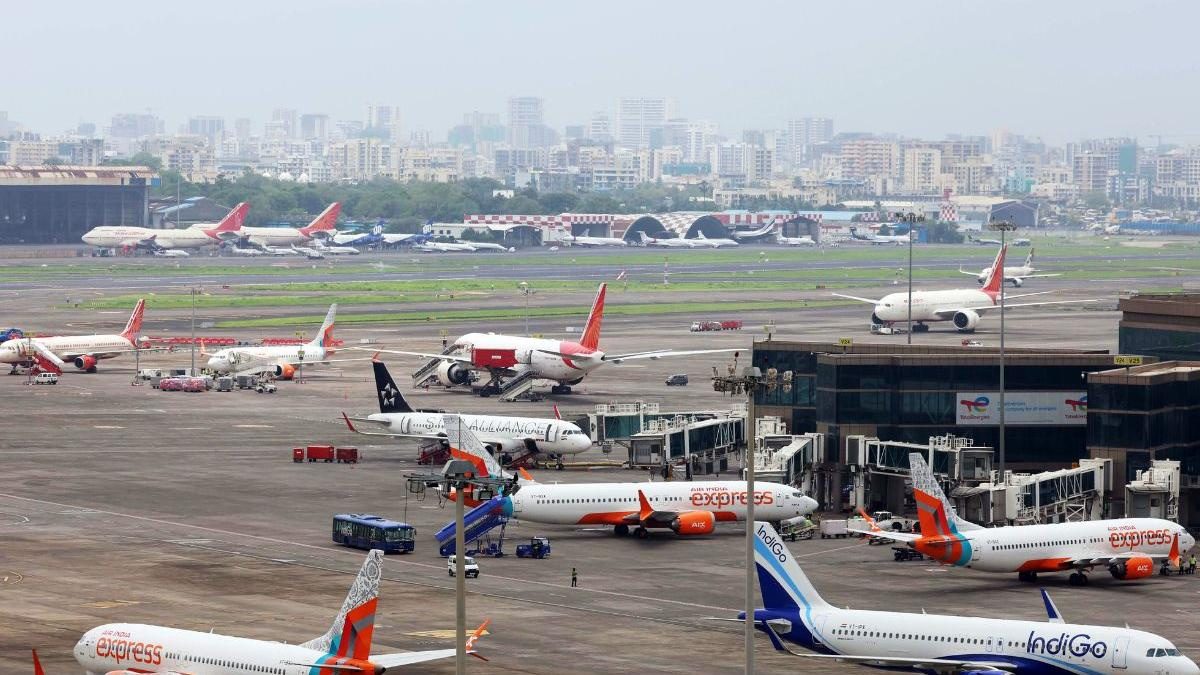
Mumbai’s primary aviation gateway will temporarily halt operations in early May as authorities undertake a scheduled infrastructure upgrade, a move that highlights the growing importance of climate-ready maintenance in high-density transport hubs. All flight movements at the city’s international airport will be paused for a six-hour period during the day to facilitate essential airside works. The planned Mumbai airport runway closure is part of an annual pre-monsoon exercise aimed at ensuring safe aircraft operations during the region’s intense rainy season, which often tests the resilience of critical infrastructure.
Airport operators have indicated that both intersecting runways will be unavailable during the maintenance window, effectively suspending arrivals and departures. The work is focused on strengthening surface integrity and drainage systems—key aspects that determine runway performance during heavy rainfall and waterlogging conditions. For one of India’s busiest aviation hubs, even short shutdowns require extensive coordination. Industry officials suggest that airlines were informed months in advance, allowing them to recalibrate schedules and minimise disruption. Nevertheless, passengers travelling on the day of the Mumbai airport runway closure are likely to face adjusted departure times, rescheduling, or consolidation of services. Urban infrastructure experts view such planned closures as a necessary trade-off in cities where operational intensity leaves little room for extended maintenance cycles. With limited runway capacity and high traffic volumes, Mumbai’s airport operates close to saturation for most of the year. This makes periodic interventions critical, yet logistically complex.
The emphasis on pre-monsoon preparedness also reflects broader climate adaptation challenges. Coastal cities like Mumbai are increasingly exposed to erratic rainfall patterns, making drainage efficiency and surface durability central to infrastructure planning. In aviation, where safety margins are tightly regulated, even minor lapses can have cascading impacts on operations and passenger movement. Recent disruptions linked to external factors, including international airspace constraints, have already demonstrated the vulnerability of tightly packed flight schedules. While those events were unplanned, the upcoming Mumbai airport runway closure is structured to limit uncertainty, offering a controlled environment for upgrades that could reduce risk during peak monsoon months. From an economic perspective, maintaining uninterrupted aviation connectivity is vital for business travel, tourism, and cargo movement. Short-term inconvenience is often weighed against long-term operational stability, particularly in a city that serves as a financial and logistics hub.
Looking ahead, the challenge for Mumbai’s aviation ecosystem will be to integrate resilience into routine operations without significantly affecting capacity. As passenger numbers continue to rise, future strategies may need to include additional infrastructure, smarter scheduling, and greater redundancy to manage both growth and climate-related risks.