iTokri Milestone Highlights Growth In Handmade Marketplace
iTokri has crossed 100,000 product listings on its platform, marking a significant milestone in India’s artisan-led digital commerce ecosystem. The achievement underscores how technology-enabled marketplaces are expanding access to traditional crafts while reshaping supply chains in the textiles and handicrafts sector.
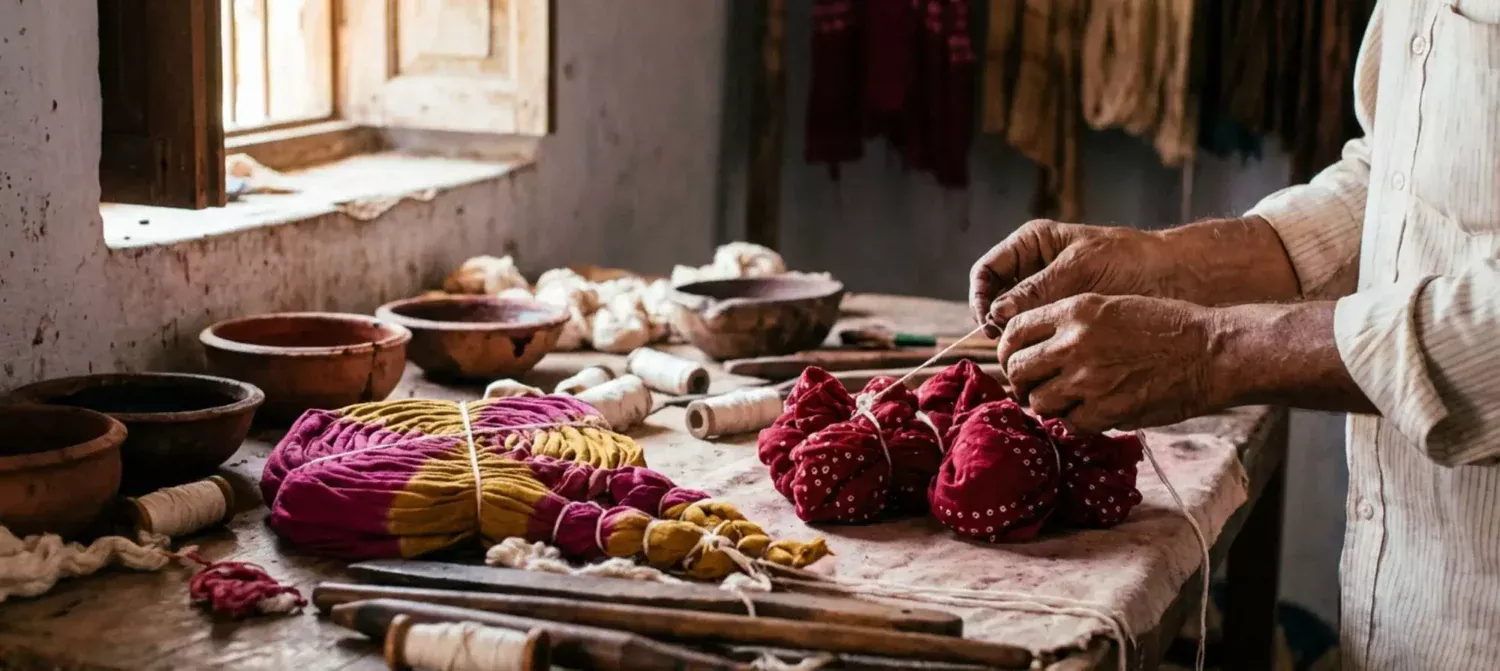
Founded in Gwalior, Madhya Pradesh, iTokri operates as a direct-to-consumer platform connecting artisans to buyers without intermediaries. The company currently works with over 10,000 artisan partners across more than 500 craft clusters nationwide, spanning diverse techniques such as hand block printing, weaving, embroidery, and dyeing traditions. The scale of listings reflects not just inventory growth but a structural shift in how traditional crafts reach markets. Historically, many handmade textiles were confined to regional markets or wholesale networks, limiting visibility and price realisation for artisans. By digitising access, platforms like iTokri are enabling broader distribution across domestic and international markets.The iTokri milestone also signals changing consumer behaviour. Demand for handmade, culturally rooted products has grown alongside increased awareness of sustainability and ethical sourcing. Handmade textiles, often produced with lower environmental impact compared to mass manufacturing, are increasingly positioned within the broader narrative of responsible consumption and climate-conscious design.At the core of iTokri’s model is a decentralised production system where artisans retain control over pricing and output timelines. This contrasts with traditional retail structures, where intermediaries often dictate margins and scale. Industry observers note that such models can improve income stability for craft communities while preserving regional design identities.
Operationally, the platform continues to expand its catalogue rapidly, adding hundreds of new products daily. This constant refresh of inventory reflects both the diversity of India’s craft ecosystem and the evolving preferences of consumers seeking unique, non-standardised products.From an urban development perspective, the rise of platforms like iTokri has implications beyond e-commerce. By linking rural production clusters with urban demand centres, such models contribute to more distributed economic growth. This can reduce migration pressures on cities while supporting livelihoods in craft-intensive regions.Experts also highlight the social dimension of the platform’s operations. A significant proportion of its workforce is composed of women, many from economically disadvantaged backgrounds, engaged in cataloguing, quality control, and logistics. This aligns with broader goals of inclusive growth and gender participation in the workforce.However, scaling artisan-led commerce presents challenges. Maintaining product authenticity, ensuring quality consistency, and managing logistics across dispersed geographies require robust systems and continuous oversight. As competition intensifies in the online retail space, differentiation through authenticity and trust will remain critical.
The iTokri milestone reflects a broader transformation in India’s craft economy, where digital platforms are bridging long-standing gaps between production and consumption. As demand for sustainable and culturally rooted products continues to rise, such models are likely to play an increasingly important role in shaping inclusive and resilient economic ecosystems.