


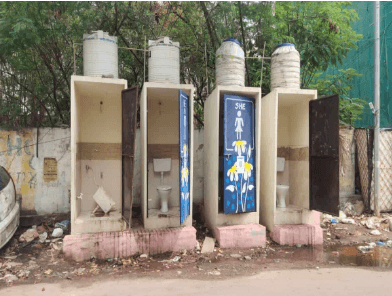
Municipal authorities in Indore have begun enforcing stricter hygiene standards for public sanitation facilities, imposing penalties on operators who fail to maintain acceptable conditions. The action forms part of a broader civic effort to preserve the city’s reputation for cleanliness while ensuring that essential urban services remain accessible, safe and dignified for residents and visitors. During recent inspections, officials from the municipal corporation imposed a financial penalty after identifying deficiencies in the upkeep of a public toilet facility. Civic officials said the move signals stronger enforcement of sanitation norms as the city continues to prioritise public health and urban hygiene.
The enforcement is part of an ongoing monitoring programme under which municipal teams regularly review public sanitation facilities across the city. Authorities say maintaining high standards in the Indore public toilet system is essential for sustaining the city’s sanitation achievements and supporting inclusive urban infrastructure. Urban planners note that public toilets play a critical role in making cities more accessible, particularly for women, elderly residents, children and people working in the informal economy who spend long hours outside their homes. Poorly maintained sanitation infrastructure can discourage use and create public health risks, particularly in dense commercial areas and transit zones. The latest inspection drive highlights the municipality’s effort to ensure that the Indore public toilet system meets operational standards related to cleanliness, water availability and maintenance. Officials responsible for sanitation oversight say facility operators are expected to follow strict guidelines regarding hygiene, waste disposal and regular cleaning schedules. Indore has built a national reputation for its cleanliness initiatives, including large-scale waste segregation and systematic municipal sanitation management. However, civic administrators acknowledge that maintaining sanitation infrastructure requires continuous monitoring and accountability mechanisms. Urban governance experts say enforcement actions such as fines can play an important role in ensuring that private operators and contractors responsible for public utilities maintain service quality. At the same time, they stress that consistent maintenance funding and community awareness are equally important to ensure long-term sustainability of sanitation infrastructure. The focus on improving the Indore public toilet system also aligns with broader goals of creating inclusive and gender-sensitive public spaces. Clean and well-managed sanitation facilities are considered essential for encouraging greater participation in public life, especially for women and vulnerable groups. Municipal authorities indicate that inspections will continue across multiple wards to ensure that sanitation facilities remain functional and hygienic.
By strengthening accountability among operators while maintaining high civic standards, officials aim to reinforce Indore’s model of citizen-centric urban management. As the city continues to grow and attract more visitors, maintaining reliable sanitation infrastructure will remain a key part of ensuring that urban expansion is accompanied by responsible public health and environmental governance.
ALSO READ – Indore Khandwa Rail Project Faces Delayed Completion
Indore Civic Action Targets Poor Public Toilet Maintenance
