


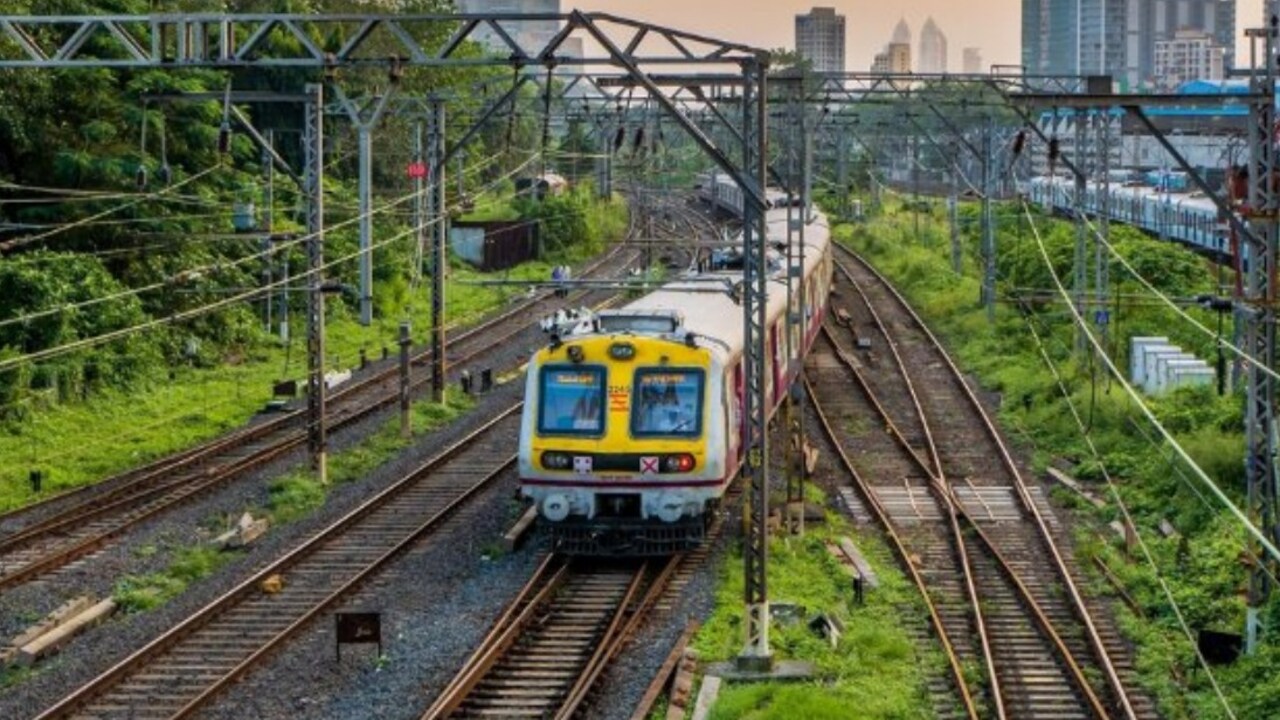
A major infrastructure milestone has been achieved in the Indore–Budni rail project, with tunnel excavation advancing significantly—bringing central India closer to a faster and more efficient rail corridor that could reshape regional connectivity and economic movement. The project, which aims to link Indore more directly with Budni in Madhya Pradesh, has long been viewed as a strategic upgrade to existing rail infrastructure. The latest progress in tunnel construction signals that one of the most technically challenging segments of the alignment is nearing completion. Once operational, the corridor is expected to shorten travel distances and reduce transit time between key economic zones.
Railway engineers involved in the project indicate that tunnelling in this stretch has required careful geological assessment and precision engineering, given the terrain conditions. Such infrastructure not only enhances connectivity but also reflects a broader shift towards modernising rail networks with higher efficiency and safety standards. From an urban development perspective, the Indore–Budni rail corridor could play a pivotal role in redistributing economic activity across the region. Improved connectivity often drives growth in secondary towns, easing pressure on larger urban centres while enabling more balanced regional development. Planners suggest that better rail access can unlock new industrial clusters, logistics hubs, and residential expansion along the route. The project also holds implications for sustainable mobility. Rail transport remains one of the most energy-efficient modes for both passengers and freight. By strengthening rail infrastructure, cities like Indore can gradually reduce reliance on road-based transport, which contributes to congestion and emissions. Integrating such corridors into broader transport planning frameworks is increasingly critical as Indian cities pursue low-carbon growth pathways. However, infrastructure experts caution that the benefits of such projects depend on timely execution and effective integration with existing networks. Last-mile connectivity, station accessibility, and multimodal linkages will determine how widely the gains are distributed among citizens and businesses. Without these supporting systems, even high-quality rail infrastructure risks underutilisation.
The Indore–Budni rail project also reflects the growing emphasis on engineering-led solutions in India’s infrastructure push. Tunnelling, in particular, is becoming more common as planners seek to optimise alignments through challenging terrain while minimising surface disruption. As excavation work progresses toward completion, attention is likely to shift to track laying, signalling, and operational readiness. For central India, the project represents more than just a rail upgrade—it signals a move toward faster, cleaner, and more integrated transport systems that align with the demands of a rapidly urbanising region.
ALSO READ – Jaipur Sees Push For E Libraries And Welfare
Indore Budni Rail Tunnel Work Hits Key Stage

