Gurgaon Heatwave Intensifies As Temperatures Cross 41C
Parts of the National Capital Region are entering a phase of intensified heat stress, with Gurugram recording temperatures around 41°C and Faridabad emerging as the hottest location at nearly 43°C. The spike has prompted warnings of a worsening heatwave, underlining the growing vulnerability of rapidly urbanising regions to extreme climate events. Meteorological assessments indicate that dry northwesterly winds and clear skies are driving the current heat build-up, conditions that are expected to persist over the coming days.
With forecasts pointing to further temperature increases, authorities have issued advisories urging residents to limit outdoor exposure, particularly during peak afternoon hours, and to prioritise hydration and heat safety measures. The emerging Gurgaon heatwave is part of a broader regional pattern across Haryana and adjoining NCR districts, where temperatures are climbing steadily above seasonal averages. Earlier alerts had already placed multiple districts under a heatwave watch, with projections of a 3–4°C rise over a short span—an indicator of how quickly conditions are intensifying. For cities like Gurugram and Faridabad, the implications extend beyond weather discomfort. Urban planners point to the “heat island” effect, where dense construction, limited tree cover, and heat-retaining materials amplify ground temperatures. As these cities continue to expand through high-density real estate and infrastructure projects, the ability to dissipate heat is increasingly constrained. The Gurgaon heatwave also exposes infrastructure pressures. Rising temperatures typically trigger spikes in electricity demand, particularly for cooling, increasing the risk of supply disruptions. Water demand similarly escalates, placing stress on already stretched urban utilities. In high-density neighbourhoods, such pressures can quickly translate into uneven access to essential services.
From a public health perspective, the risks are immediate and unevenly distributed. Outdoor workers—such as construction labourers, delivery personnel, and street vendors—face prolonged exposure without access to adequate cooling or shaded spaces. Health experts warn that heatwaves can lead to dehydration, heat exhaustion, and in severe cases, heatstroke, especially among vulnerable populations including the elderly and children. The economic impact is also becoming more visible. Construction schedules, logistics operations, and outdoor commercial activity often slow during extreme heat conditions, affecting productivity in sectors that are critical to urban growth. For a region positioned as a major economic hub, managing such climate disruptions is becoming an operational necessity.
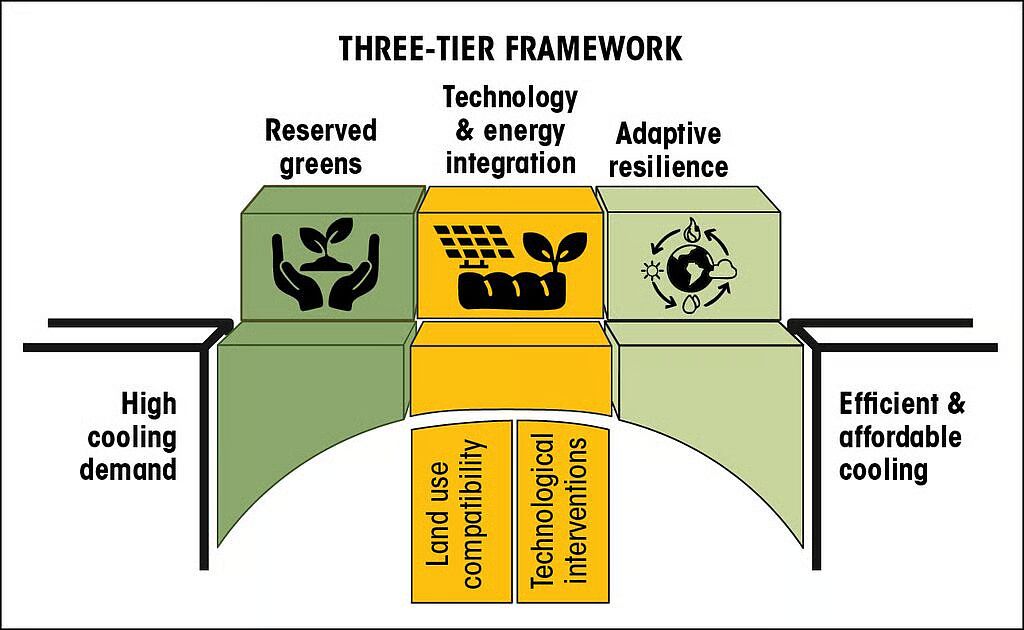
Experts increasingly argue that episodic responses to heatwaves are insufficient. Instead, cities need long-term heat action strategies that integrate urban design, green infrastructure, and decentralised cooling solutions. Measures such as shaded public spaces, reflective building materials, and improved ventilation corridors are being highlighted as critical interventions. As temperatures continue to rise, the Gurgaon heatwave serves as a reminder that climate resilience must become central to urban planning. Without systemic adaptation, extreme heat risks are likely to intensify, challenging both liveability and economic sustainability across NCR’s rapidly growing cities.