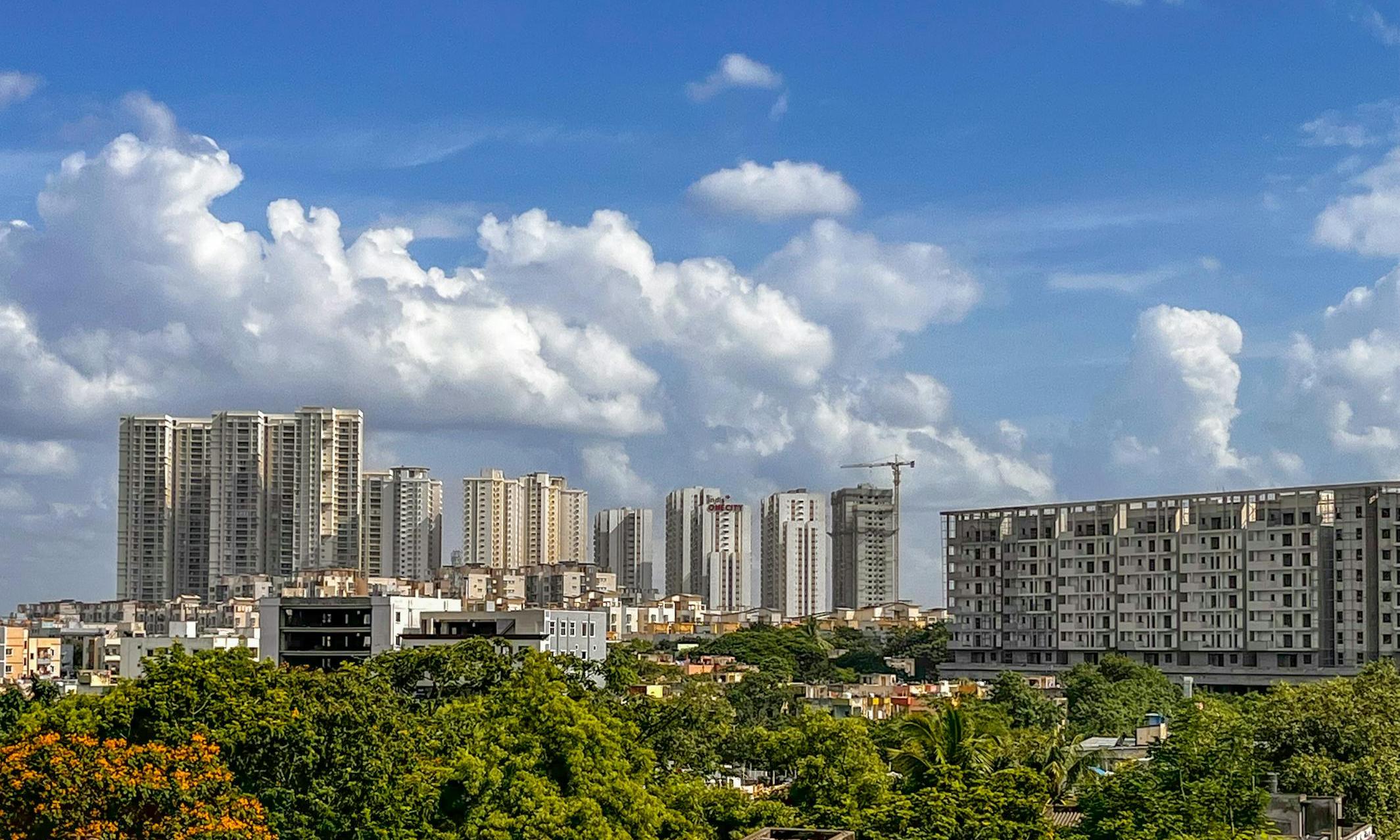
Hyderabad Real Estate Growth Tracks Rising Infrastructure
Hyderabad’s residential property market is continuing to attract buyers as infrastructure expansion and a growing business ecosystem support demand across the city. More than 26,100 homes were sold during the first half of 2026, while market participants reported stronger interest in larger homes and higher-value properties.
The latest assessment emerged at the CREDAI Hyderabad Property Show 2026, where senior government officials and representatives of the real estate industry discussed the city’s changing housing market and the policy conditions shaping future development. The Hyderabad real estate market has benefited from the city’s expanding employment base and continued investment in transport and urban infrastructure. Improved connectivity can increase the attractiveness of peripheral and emerging neighbourhoods by reducing travel times and bringing residential areas closer to employment centres. The shift towards larger homes and higher ticket sizes is another notable feature of current demand. It suggests that a section of buyers is willing to spend more on housing, although rising property values can also create affordability challenges for middle-income households and first-time buyers.
Industry representatives indicated that a substantial portion of Hyderabad’s unsold housing inventory remains under construction. This distinction is important for assessing market health because completed unsold homes can represent a different risk for developers and lenders than projects still progressing through their construction cycles. The Hyderabad real estate market is also facing regulatory concerns. Developers have sought changes to the 10% building-permit mortgage requirement and its NALA-linked component. Industry representatives have argued that reducing the mortgage requirement to 5% could release more working capital, while allowing NALA payments alongside the building approval process could simplify project clearances. Such changes could influence the pace at which new housing supply reaches the market. However, faster approvals need to be balanced with adequate scrutiny of infrastructure capacity, environmental requirements and public services. Housing growth without corresponding investment in water supply, drainage, roads and public transport can create new pressures for residents.
The city’s continuing transformation is also strengthening its appeal to investors and businesses. Hyderabad’s technology, pharmaceutical and services sectors provide a broad employment base that supports housing demand, while major infrastructure projects can reshape the geography of future development. The state government has also announced that the Invest Telangana Global Summit will take place from December 7 to 9, with real estate expected to form part of the wider economic growth agenda. The event could provide another platform for investment discussions across the property and infrastructure sectors. For Hyderabad, the next phase of real estate growth will require more than higher sales volumes. A sustainable housing market will depend on aligning development with transport access, social infrastructure, environmental resilience and household affordability. As demand moves towards larger and more expensive homes, maintaining a balanced supply across different income groups will also be important for inclusive urban growth.