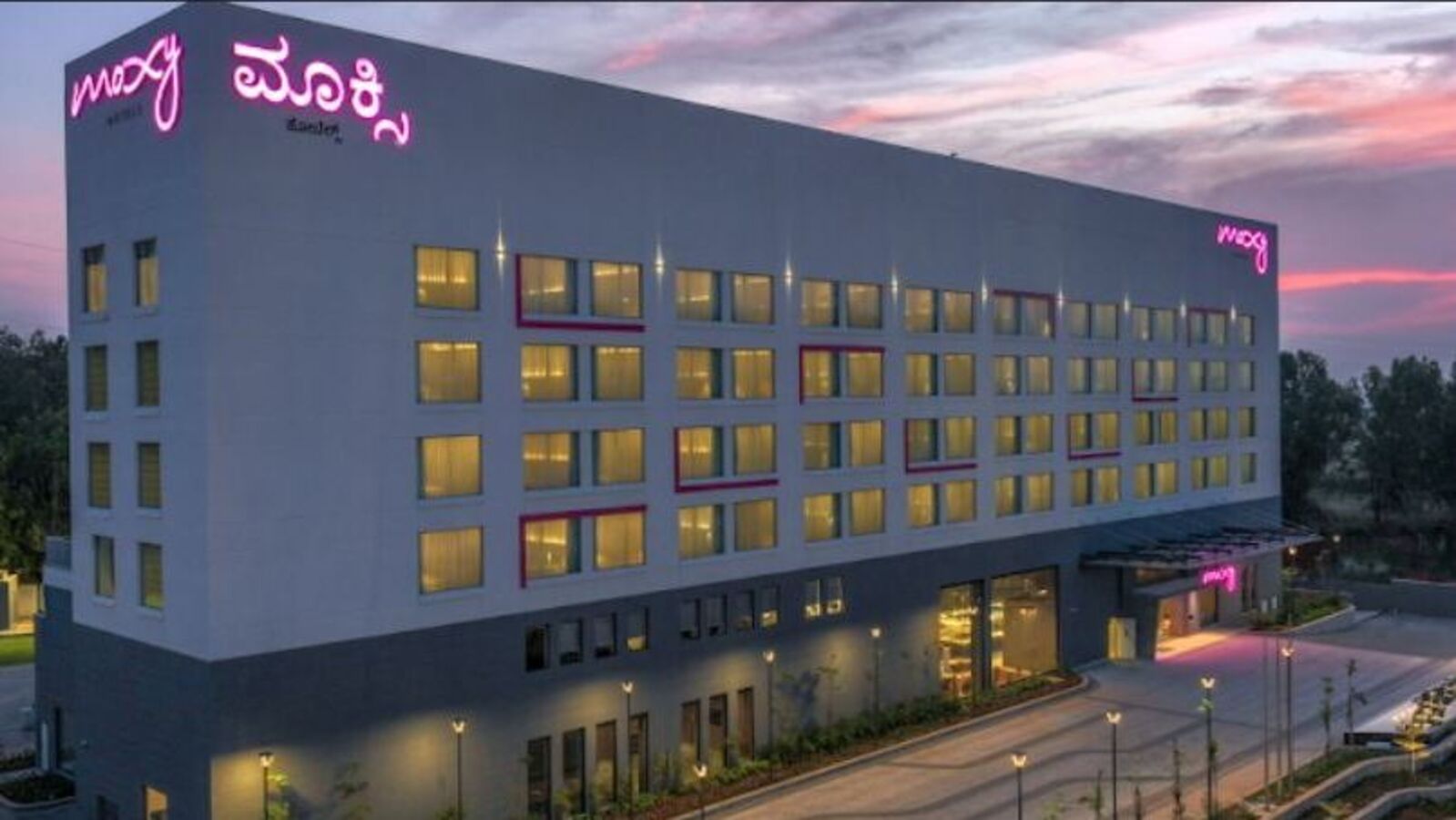
India’s hospitality sector is entering a new phase of structured growth, with large hotel operators preparing to significantly expand capacity across the country. Industry estimates indicate that more than 70,000 new rooms could be added by the end of the decade, signalling a shift from recovery-led momentum to long-term, demand-driven expansion. The scale of India hotel expansion is increasingly drawing institutional capital into real estate portfolios, reshaping how urban assets are developed and managed.
This growth trajectory is being underpinned by a sharp rise in domestic travel, supported by higher disposable incomes and improved transport connectivity. Urban planners note that enhanced highway networks, regional airports, and rail upgrades are making previously under-served destinations more accessible, distributing tourism flows beyond major metros. As a result, tier-II and tier-III cities are emerging as key nodes in the hospitality map, with investors viewing them as long-term growth markets rather than speculative bets. Operational performance indicators suggest a stable foundation for this expansion. Occupancy levels have remained resilient, while room revenues and pricing have shown consistent upward movement over the past two years. Industry experts say this reflects a more disciplined supply pipeline, where developers are aligning new projects with demand patterns rather than pursuing aggressive, debt-heavy growth seen in earlier cycles.
A notable feature of the current India hotel expansion cycle is the tilt towards premium and experience-led offerings. Developers are increasingly focusing on upscale and upper midscale segments, alongside hybrid formats such as branded residences and mixed-use developments. These formats not only diversify revenue streams but also integrate hospitality with urban living, appealing to a growing segment of affluent consumers seeking flexible, service-oriented housing options. Institutional investors, including private equity and sovereign funds, are also showing renewed interest in the sector. Analysts point out that asset-light business models where operators manage or franchise properties instead of owning them are improving balance sheets and reducing risk exposure. This shift is making hotel assets more compatible with global investment frameworks, encouraging portfolio acquisitions and consolidation across fragmented markets.
Beyond economics, the expansion carries broader urban implications. Increased hotel development in leisure and pilgrimage destinations is likely to accelerate infrastructure upgrades, but it also raises questions about environmental sustainability and local resource management. Urban development experts emphasise the need for climate-sensitive planning, especially in ecologically fragile regions where tourism growth can strain water, energy, and waste systems.Policy interventions are beginning to align with these challenges. Tax reforms aimed at improving affordability in midscale segments and efforts to strengthen hospitality education are expected to support workforce development and service quality. However, experts caution that long-term success will depend on integrating sustainability benchmarks into new developments, ensuring that growth in India hotel expansion does not come at the cost of ecological resilience. As capital flows continue and travel demand remains robust, the sector’s evolution will likely influence not just real estate investment patterns, but also how Indian cities balance tourism-driven growth with inclusive and sustainable urban development.