


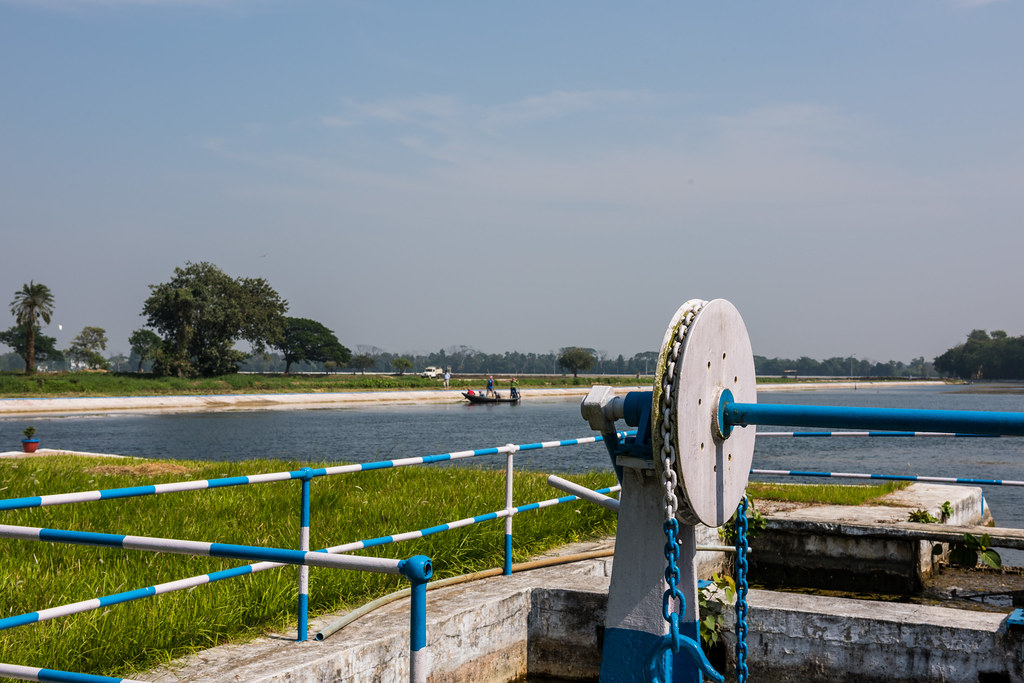
Kolkata is preparing a significant expansion of its urban water network, with new reservoirs and pumping stations planned across key zones to stabilise supply in a city facing rising demand and uneven distribution. The initiative reflects growing pressure on ageing infrastructure as population density increases and climate variability complicates water management.
Officials indicate that the planned upgrades aim to address both quantity and reliability challenges. Several neighbourhoods continue to experience inconsistent supply, particularly during peak summer months when demand surges. By adding storage capacity and improving pumping efficiency, the city hopes to ensure more predictable distribution across residential and commercial areas.The Kolkata water infrastructure expansion is also being shaped by long-term urban growth patterns. Rapid development in peripheral areas has stretched existing networks, many of which were not designed for current consumption levels. Urban planners note that extending infrastructure without redesigning distribution systems often leads to inefficiencies, including pressure imbalances and water losses.Experts argue that strengthening water systems is no longer just a service upgrade but a resilience strategy. Cities like Kolkata, which rely heavily on river-based supply systems, face increasing risks from erratic rainfall and seasonal fluctuations. Improved storage and pumping capacity can help buffer short-term disruptions, but sustainable water security will require broader measures such as demand management, leak reduction, and wastewater reuse.
From a civic perspective, the impact of the Kolkata water infrastructure expansion could be substantial. Reliable access to water affects public health, household productivity, and economic activity. Inconsistent supply often forces residents to rely on informal solutions such as private tankers or groundwater extraction, which can be both costly and environmentally damaging.There are also implications for urban equity. Infrastructure upgrades tend to prioritise high-growth or high-value zones, raising concerns about whether low-income neighbourhoods will benefit equally. Urban development specialists emphasise that inclusive planning must ensure that improved water access reaches underserved communities, rather than reinforcing existing disparities.Environmental considerations remain central to the discussion. While expanding pumping capacity improves distribution, it also increases energy consumption. Integrating energy-efficient systems or renewable power sources could help align the project with low-carbon urban goals. Additionally, reducing water loss through better maintenance and smart monitoring could significantly improve system efficiency without requiring proportional increases in supply.
Implementation will require careful coordination across multiple agencies, particularly in densely built areas where land availability and existing utilities pose challenges. Delays linked to construction, land acquisition, or system integration are common in such projects, making execution as critical as planning.As Kolkata continues to grow, the success of this initiative will depend on how effectively it combines infrastructure expansion with sustainable water management practices. Strengthening supply is only one part of the solution; building a resilient, equitable, and efficient urban water system will require a more integrated approach in the years ahead.
Read More : Mumbai Faces 30 Hour Water Shutdown Impact
Kolkata Expands Water Systems To Meet Rising Urban Demand
