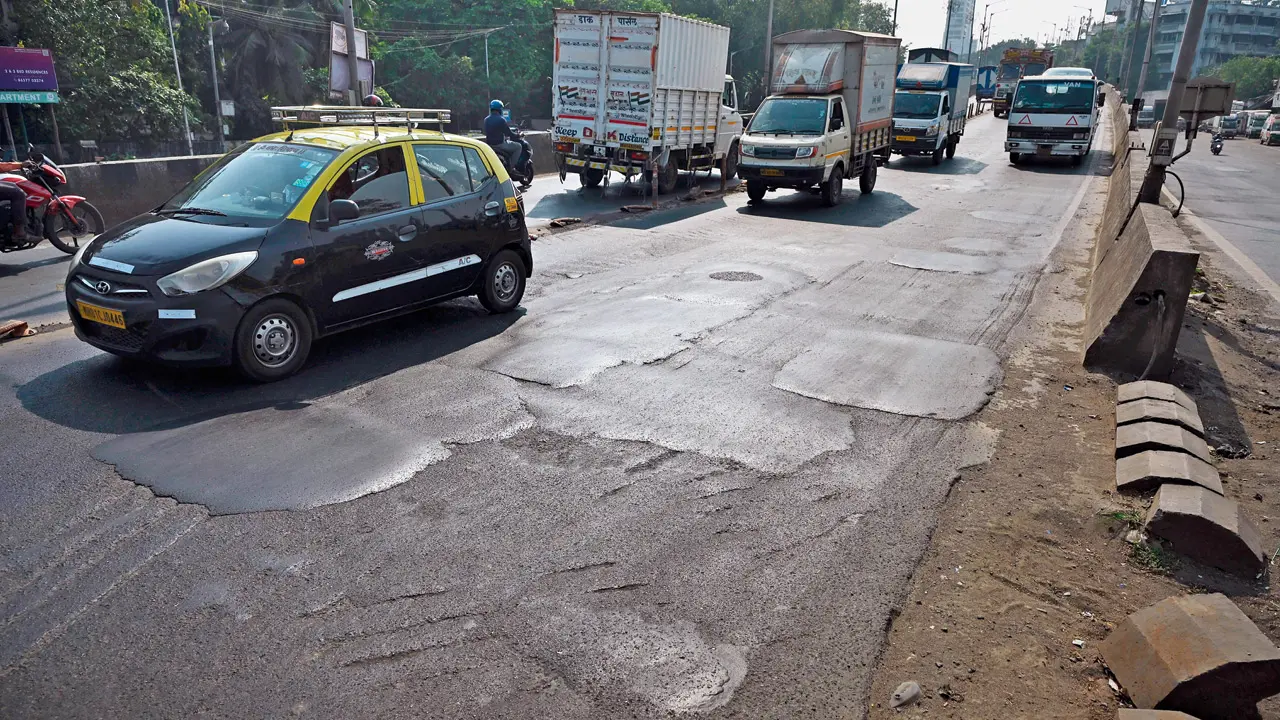
Mumbai Highway Repairs Plan Targets Monsoon Damage
Mumbai is preparing for an extensive round of highway upgrades as civic authorities move to strengthen two of its busiest transport corridors before the monsoon. The proposed Mumbai highway repairs, estimated at nearly ₹165 crore, are aimed at improving road durability, minimising potholes, and ensuring smoother mobility across the city’s north–south spine during the high-rainfall months. The plan centres on rehabilitation work along both the Eastern and Western Express Highways—critical routes that support daily commuter traffic as well as freight movement. With these corridors forming the backbone of Mumbai’s road network, even minor surface failures can disrupt mobility, increase fuel consumption, and affect economic productivity.
According to officials familiar with the proposal, a significant portion of the work will involve applying micro-surfacing, a preventive maintenance technique designed to extend pavement life. Unlike traditional resurfacing, micro-surfacing uses a thin protective layer that seals cracks, restores skid resistance, and delays structural deterioration. Urban infrastructure experts note that such approaches, if implemented effectively, can reduce the frequency of major repairs and lower lifecycle costs. The Mumbai highway repairs initiative also includes targeted interventions on flyovers and junctions that have shown signs of wear. Bridges and elevated connectors across key intersections in the eastern and western suburbs are being prioritised, with mastic asphalt—known for its water-resistant properties—being deployed to strengthen surfaces against heavy rainfall. The Western Express Highway, which came under municipal control in recent years, presents a distinct challenge. Maintained earlier by a regional planning authority, parts of the corridor require standardisation to align with the city’s maintenance protocols. The proposed investment reflects an attempt to bring uniformity in road quality across jurisdictions, a recurring issue in metropolitan infrastructure governance.
From a sustainability standpoint, the Mumbai highway repairs highlight the tension between expanding road infrastructure and promoting climate-resilient urban systems. While smoother roads can reduce vehicle wear and emissions caused by congestion, transport planners caution that long-term solutions must prioritise public transit, non-motorised mobility, and demand management rather than continuous road expansion. There is also a growing emphasis on pre-monsoon preparedness, as erratic rainfall patterns increasingly test urban infrastructure. Roads that fail under heavy rain not only disrupt daily life but also pose safety risks, particularly for two-wheeler riders and pedestrians navigating poorly maintained stretches. For residents and businesses, the immediate impact of the Mumbai highway repairs will likely be phased traffic diversions and construction-related slowdowns. However, officials suggest that timely execution before peak rains could reduce larger disruptions later in the season.
As Mumbai continues to invest in maintaining its ageing yet heavily utilised road network, the effectiveness of such interventions will depend on execution quality, monitoring, and integration with broader mobility strategies. The current push signals a shift towards preventive maintenance, but it also raises larger questions about how Indian cities balance road-centric development with sustainable and inclusive transport systems.