


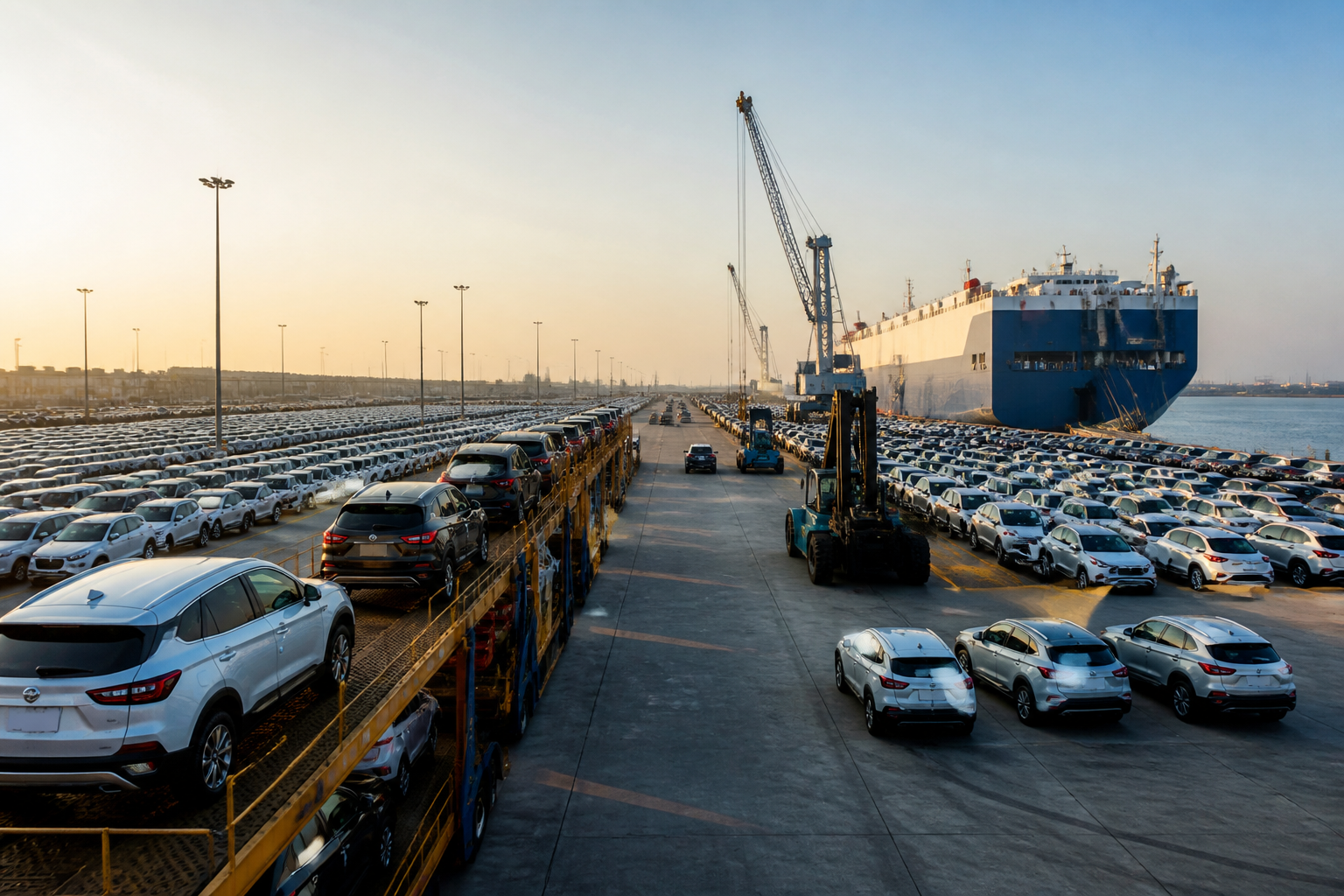
The India-EU free trade agreement will allow up to 2.5 lakh Indian-made passenger vehicles a year to enter the European Union at a concessional 8 per cent duty in the first year, with the quota scheduled to rise to 4 lakh vehicles by the 10th year, according to the draft text reported by Economic Times.
The concession will apply to Indian-origin internal combustion engine passenger cars and hybrid electric vehicles priced up to €50,000 on a cost, insurance and freight basis. The tariff under the quota will reduce progressively from 8 per cent in the first year to 6 per cent in the second year, 4 per cent in the third year, 2 per cent in the fourth year and zero in the fifth year of implementation.
The annual quota will increase gradually from 2.5 lakh vehicles in the first year to 4 lakh vehicles from the 10th year. Cars exported beyond the quota will face the European Union’s most-favoured-nation duty. Vehicles priced above €50,000 will not receive a quota-based concession, although the duty on these vehicles is scheduled to fall from 8 per cent in the first year to zero in the 10th year.
The agreement also provides separate tariff-rate quotas for battery electric vehicles, plug-in hybrid electric vehicles and other passenger vehicles using technologies outside the internal combustion engine and hybrid categories. These concessions will begin from the fifth year of implementation.
For vehicles priced up to €40,000, the EU will allow 27,500 units at an 8 per cent duty. The quota will increase to 60,500 vehicles in the ninth year and 1.25 lakh vehicles from the 14th year onwards. The duty for this category will be removed from the ninth year.
For vehicles priced above €40,000 and up to €60,000, the quota will begin at 16,250 vehicles annually in the fifth year and rise to 75,000 vehicles from the 14th year onwards. For vehicles priced above €60,000, the quota will start at 6,250 vehicles, increase to 13,250 in the ninth year and reach 25,000 from the 14th year. Duties for both categories will eventually fall to zero in the ninth year.
The draft text also includes quota-based concessions for selected Indian agricultural and processed food products, including table grapes, dried onions, cucumbers and gherkins, molasses-based rum and ghee. For ghee, the in-quota tariff will be set at 50 per cent of the base customs duty rate for an aggregate annual quantity of 1,000 metric tonnes from the agreement’s effective date.
The conclusion of the India-EU free trade agreement was announced on January 27. The pact is expected to be signed later this year and could come into force from next year, subject to the required processes. The concessions will apply according to the implementation years and product-specific conditions set out in the final agreement.
