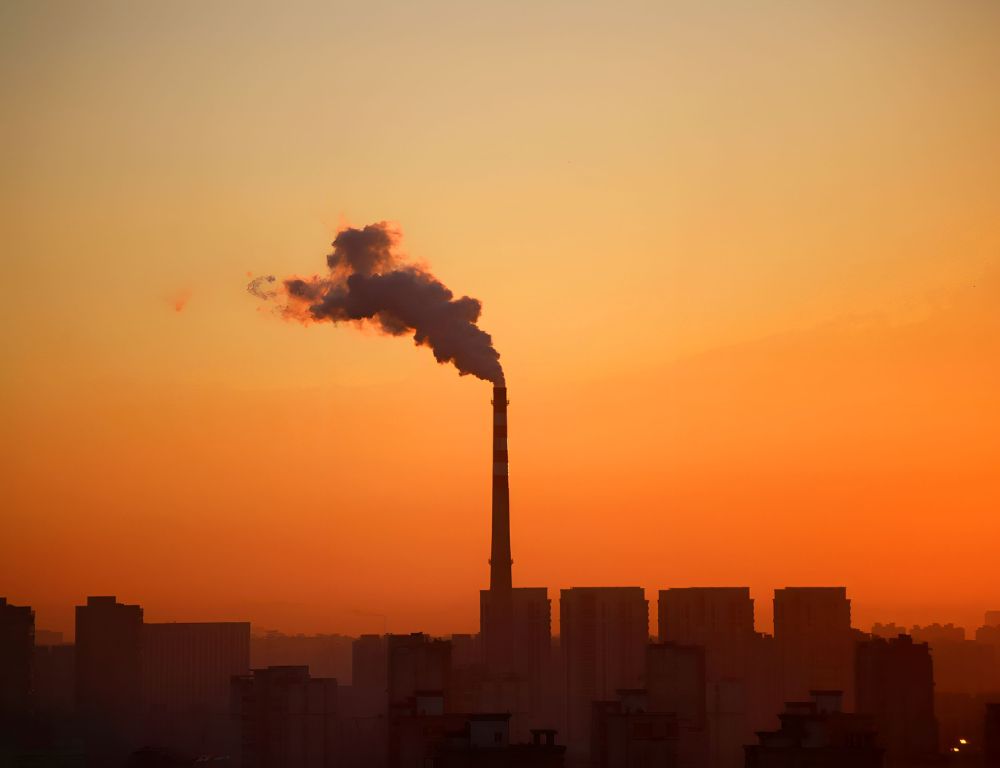
Hyderabad Industrial Pollution Puts Kompally Residents on Edge
Residents of two residential communities in Kompally have approached Telangana’s pollution and civic authorities over recurring air pollution they associate with nearby industrial activity. Their complaint points to factory emissions, waste burning, road dust and vehicle movement, raising broader questions about how industrial and residential areas are managed as Hyderabad’s urban footprint expands.
The residents of Vision Cascade Greens and North NCL Colony have submitted a petition to the Telangana State Pollution Control Board and Cyberabad Municipal Corporation, seeking an investigation into the sources of pollution. They have reported visible smoke, dust and strong odours around their neighbourhood and called for authorities to establish whether industrial emissions or other activities are affecting local air quality. The complaint highlights particulate matter, including PM2.5 and PM10, along with gases and volatile organic compounds as pollutants that could potentially be associated with industrial activity. These are not findings from an independent monitoring exercise, however, and the residents’ concerns require field measurements and regulatory inspection before specific sources or pollutant levels can be established. Waste burning is another concern raised by the community. Residents have reported the burning of tyres, plastics and other refuse in the surrounding area. Such incidents can produce smoke and harmful pollutants, with the composition varying according to the material burned. Identifying who is responsible and determining whether the activity breaches waste-management or environmental regulations will require enforcement agencies to investigate individual incidents.
The residents have asked for air-quality monitoring in and around the affected neighbourhoods. They have also sought inspections covering industrial units, waste-handling locations, roads with significant dust and routes used by heavy vehicles. Such monitoring could help distinguish between industrial emissions, traffic pollution, construction dust and open burning rather than treating all local pollution as originating from a single source. Their demands also include a digital system through which residents could report pollution incidents with photographs, videos and location information, while tracking the progress of complaints. A transparent reporting mechanism could help authorities identify recurring hotspots and build an evidence base for enforcement. The issue illustrates a wider challenge for rapidly expanding urban regions. As housing development moves closer to established industrial clusters, environmental monitoring and land-use planning become increasingly important. Residential growth should not proceed without considering the cumulative impact of industrial activity, traffic and waste management on surrounding communities.
For Kompally, the next step is evidence-based assessment. Continuous or targeted monitoring, coordinated inspections and publicly accessible findings would provide residents and regulators with a clearer picture of the sources and scale of the problem. That information can then guide enforcement as well as longer-term planning for cleaner, healthier neighbourhoods.