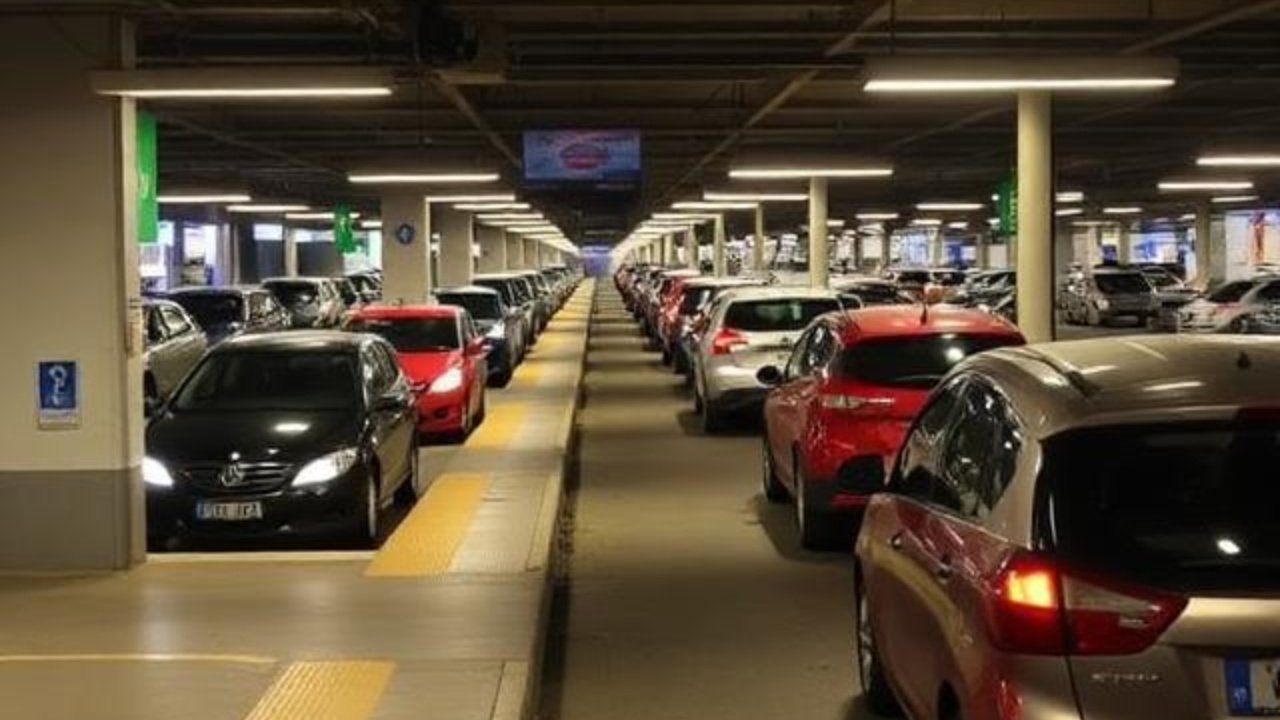
Gurugram Transit Hubs Set For Smart Parking Upgrade
Urban mobility planners in the National Capital Region are exploring new infrastructure solutions as metro ridership continues to rise. Authorities are evaluating plans to introduce multilevel parking complexes at two major Gurugram metro stations, a move expected to ease congestion around transit hubs while improving commuter access to mass transport. The proposal, currently under review by regional planning authorities, focuses on two high-footfall stations located along the Delhi Metro’s Yellow Line corridor. Officials involved in the planning process say the initiative aims to expand organised parking capacity near metro infrastructure, helping address the growing demand from commuters who combine private vehicles with public transport.
The project is being structured through a public–private partnership model, a financing mechanism commonly used for transport-linked infrastructure in large cities. Under this approach, a private developer would design, build and manage the parking facility for a defined concession period while sharing revenue with authorities. Urban planners note that such arrangements help accelerate construction timelines while limiting the fiscal burden on public agencies. Available land parcels near the two metro stations—reserved during earlier phases of metro expansion—are expected to support the development of high-capacity parking structures. Preliminary assessments indicate that thousands of square metres are available for redevelopment, making the sites suitable for multi-storey parking facilities designed to accommodate large commuter volumes. Transport experts say such projects are becoming increasingly important as metropolitan areas experience rapid growth in transit ridership. While metro systems are designed to reduce private vehicle dependency, the lack of organised parking near stations often leads to roadside parking and localised traffic bottlenecks.
Structured parking can help regulate traffic flow while encouraging commuters to shift part of their journey to rail-based public transport. Officials involved in the planning process suggest that the parking complexes could also incorporate mixed-use elements, such as small retail or service outlets, helping generate revenue to support construction and maintenance costs. Similar models have been deployed at several metro stations in Delhi, where integrated parking and commercial spaces help improve the financial sustainability of transit infrastructure. Urban development specialists argue that transit-oriented infrastructure must balance accessibility with sustainability. While parking facilities can ease congestion around stations, they must also integrate with broader mobility goals such as improved pedestrian access, last-mile connectivity and feeder transport systems. In rapidly expanding suburbs like Gurugram, such planning becomes crucial to ensure that metro systems remain efficient and inclusive.
If approved, the proposed developments could represent an important step toward integrated mobility planning in the Delhi–Gurugram corridor, where metro ridership and real estate growth are rising simultaneously. The next stage of the proposal involves regulatory clearances and detailed project structuring. For daily commuters, the initiative could mean easier access to metro stations and fewer traffic bottlenecks near busy transit hubs. For city planners, it reflects a broader shift toward aligning infrastructure design with evolving patterns of urban mobility and sustainable metropolitan growth.