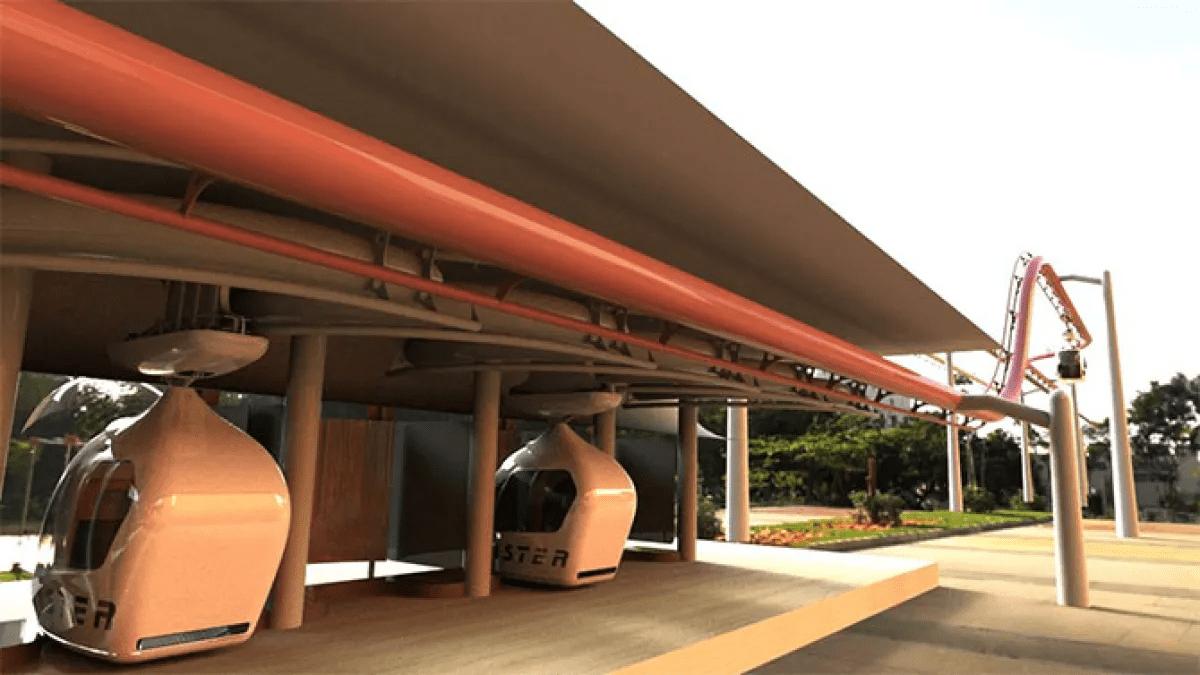
Gurugram Explores Pod Taxi System For Urban Mobility
Urban mobility planning in Gurugram is entering a new phase as authorities evaluate the introduction of a pod-based transit system aimed at improving last-mile connectivity and easing congestion. The proposal, currently at an exploratory stage, involves conducting feasibility assessments and traffic studies to identify high-demand corridors where such a system could be deployed effectively. The Gurugram pod taxi plan centres on small, automated electric vehicles operating on dedicated pathways, offering on-demand, point-to-point travel. Unlike conventional mass transit, the system is designed to function as a flexible network, potentially bridging gaps between metro stations, commercial districts and residential clusters. For a city grappling with fragmented public transport and heavy reliance on private vehicles, this approach could alter how commuters navigate short urban distances.
Officials familiar with the discussions indicate that the evaluation process will include route mapping, demand estimation and financial modelling. The involvement of international mobility technology firms highlights a broader shift towards integrating emerging transport solutions into city planning. However, experts caution that such systems must be assessed not only for technological feasibility but also for long-term scalability and cost efficiency in dense urban environments. From a planning perspective, the Gurugram pod taxi plan aligns with efforts to reduce traffic congestion and improve air quality. Electric, shared mobility systems can contribute to lowering vehicular emissions if they successfully replace short car trips. Yet, urban transport analysts note that standalone solutions rarely deliver systemic change unless integrated with existing public transport networks, pedestrian infrastructure and land-use planning. The financial structure of the proposed system is also under consideration, with potential implementation through public-private partnerships. While such models can accelerate deployment, they require careful risk-sharing mechanisms to ensure affordability for users and fiscal sustainability for the city.
Past experiences in Indian cities suggest that ridership projections and fare structures often determine the viability of new transit technologies. For residents, the immediate benefit would lie in improved access to transport options, particularly in areas underserved by buses or metro connectivity. However, concerns remain around equitable access. If pricing or route design prioritises high-income corridors, the system could reinforce existing mobility gaps rather than address them. Urban development experts emphasise that the success of the Gurugram pod taxi plan will depend on its integration into a broader mobility strategy that prioritises inclusivity, environmental sustainability and efficient land use. Dedicated corridors for such systems must be planned without compromising pedestrian spaces or green areas, especially in a city already facing pressure on its urban environment.
As feasibility studies progress, the initiative reflects a growing willingness among city authorities to experiment with alternative transport models. The next phase will determine whether this technology can transition from concept to a viable component of Gurugram’s evolving mobility ecosystem.