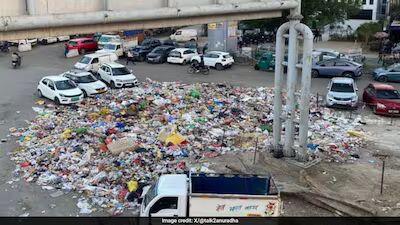
Gurugram is preparing to install nearly 500 additional public dustbins across key locations, including markets, transit points, and community spaces, in an effort to strengthen waste collection infrastructure. However, the initiative has triggered mixed reactions, with residents questioning both the design and placement strategy, highlighting deeper challenges in urban sanitation planning.
The move is part of an ongoing Gurugram waste management initiative aimed at improving public hygiene and reducing roadside dumping. Officials suggest that increasing the number of bins will support better waste segregation and reduce pressure on door-to-door collection systems. Yet, citizen feedback indicates that infrastructure alone may not resolve systemic inefficiencies. Residents have raised concerns that poorly designed or oversized bins, when placed in high-visibility areas, risk becoming visual and environmental liabilities rather than functional assets. In several neighbourhoods, complaints point to bins overflowing or being inadequately maintained, leading to odour, stray animal activity, and secondary waste accumulation. Urban planners note that such responses are not uncommon in rapidly growing cities where sanitation infrastructure is often deployed reactively rather than as part of a cohesive urban design framework. The Gurugram waste management initiative, they argue, must go beyond numerical targets and incorporate aspects such as bin typology, collection frequency, and integration with pedestrian movement and public space aesthetics.
The challenge is particularly relevant in high-density zones where commercial activity, footfall, and mixed land use generate varying waste streams. Without adequate planning, bins can quickly become overflow points, undermining both hygiene and urban liveability. Experts suggest that decentralised waste systems—such as micro-composting units or ward-level segregation hubs—may offer more sustainable alternatives in the long term. The issue also reflects a broader governance gap. While cities have expanded waste collection contracts and infrastructure, consistent monitoring and accountability remain uneven. Past instances of irregular garbage collection and unmanaged dumping have already drawn attention to the need for stronger coordination between municipal agencies and contractors. From a sustainability perspective, the effectiveness of the Gurugram waste management initiative will depend on whether it aligns with circular economy principles. Merely increasing bin numbers does little unless supported by segregation at source, efficient transport, and scientific processing of waste.
For citizens, the concern is not the presence of bins, but how they shape everyday urban experience. Public spaces—especially in a city positioning itself as a global business hub—are increasingly expected to balance functionality with environmental quality and visual order. As Gurugram expands its sanitation footprint, the focus is likely to shift from quantity to quality. Ensuring that waste infrastructure is both efficient and context-sensitive will be critical to building a cleaner, more resilient urban system that works for residents rather than against them.