Gurugram Hospitals Prepare For Heatwave Health Risks
Gurugram has issued a heatwave advisory as temperatures climb past seasonal norms, prompting health authorities to prepare hospitals for a potential rise in heat-related illnesses. The move reflects growing concerns over urban heat stress in rapidly expanding cities, where climate variability is increasingly intersecting with public health systems and infrastructure readiness.
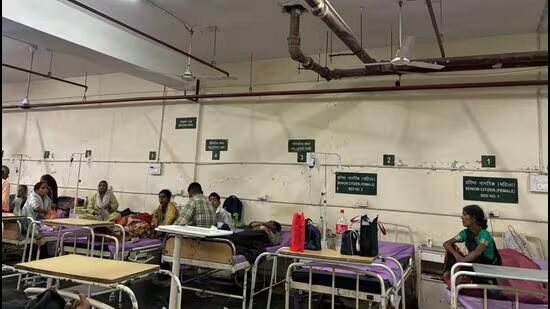
The advisory comes after a steady rise in temperatures over recent days, with the mercury crossing 40°C and expected to climb further in the near term. Authorities have urged residents to limit outdoor exposure during peak afternoon hours and maintain hydration, particularly as vulnerable groups face heightened risk. As part of the Gurugram heatwave preparedness measures, hospitals across the district have been directed to enhance capacity and readiness. This includes stocking essential supplies such as intravenous fluids, cooling equipment, and emergency medicines, while also setting up dedicated beds for heatstroke and dehydration cases. Monitoring systems have been activated to track outpatient visits, emergency admissions, and heat-related symptoms in real time. The response signals a broader shift in how urban administrations are treating extreme weather events—not as isolated incidents, but as recurring stressors requiring systemic planning. Health experts note that rising temperatures are no longer limited to peak summer months, with earlier onset and longer duration of heatwaves placing sustained pressure on healthcare infrastructure.
For a city like Gurugram, characterised by dense construction, limited green cover in certain pockets, and high vehicular activity, the urban heat island effect further amplifies risk. Built surfaces such as concrete and asphalt retain heat, pushing local temperatures higher than surrounding areas and increasing exposure for outdoor workers, commuters, and low-income populations without access to cooling systems. Urban planners argue that while emergency advisories are essential, long-term resilience depends on integrating climate-responsive design into city planning. This includes expanding tree cover, protecting water bodies, promoting reflective building materials, and ensuring equitable access to cooling infrastructure in public spaces. The Gurugram heatwave preparedness effort also highlights the need for cross-sector coordination. Beyond healthcare, rising temperatures are likely to impact electricity demand, water consumption, and labour productivity—factors that influence both economic activity and quality of life in urban centres.
For residents, the advisory serves as both a warning and a reminder of shifting climate realities. As cities across India face more frequent extreme heat events, the emphasis is gradually moving from reactive response to anticipatory planning. Going forward, the effectiveness of Gurugram heatwave preparedness will depend not just on hospital readiness, but on whether urban systems evolve to reduce heat exposure at source—through better design, policy alignment, and citizen awareness.