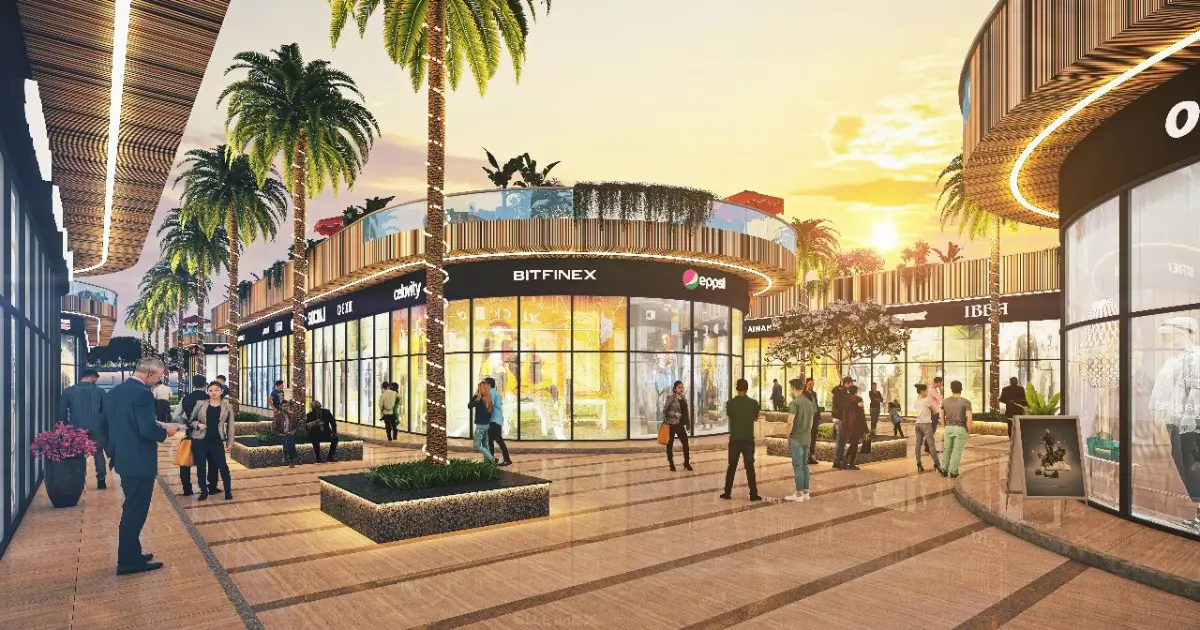
Gurugram Commercial Property Draws Fresh Investor Interest
NEW DELHI: India’s commercial real estate sector witnessed renewed institutional activity on Wednesday as two significant property transactions in Gurugram and Pune underlined sustained confidence in income-generating office assets. The developments indicate that strategically located commercial spaces continue to attract capital despite evolving workplace patterns and broader economic uncertainties, reinforcing the role of major urban centres in supporting long-term business growth.
One of the transactions involves the planned transfer of a commercial property in Gurugram’s Sector 32, where a real estate subsidiary of a listed manufacturing company has entered into an agreement to divest the asset for approximately ₹50 crore. The deal reflects a growing trend among companies to unlock capital through non-core real estate holdings while enabling fresh investment into established commercial locations. Market observers note that commercial property in Gurugram continues to benefit from its mature office ecosystem, strong transport connectivity and proximity to the National Capital. These factors have sustained investor appetite even as businesses reassess workplace requirements in the post-pandemic environment. In another major transaction, an alternative investment platform has expanded its commercial real estate portfolio by acquiring a Grade A office campus in Pune through a rental income-focused investment fund. The asset offers nearly one million square feet of leasable space and maintains occupancy of around 95 per cent, highlighting continued demand from corporate tenants for premium office environments.
Industry experts say the acquisition reflects a broader institutional preference for assets capable of generating stable rental returns rather than speculative appreciation. High occupancy levels also suggest that occupiers continue to prioritise well-managed office developments offering quality infrastructure, operational efficiency and access to skilled workforces. The latest investments come at a time when India’s leading office markets are competing to attract technology firms, financial services companies and multinational enterprises. Cities such as Gurugram and Pune have increasingly emerged as preferred destinations due to their expanding infrastructure networks, evolving business districts and improving urban amenities. Urban planners believe that while capital inflows into premium office developments support employment generation and municipal revenues, future commercial expansion must also remain aligned with sustainable urban planning. Efficient public transport, walkable neighbourhoods, energy-efficient buildings and resilient civic infrastructure will be essential to ensure that economic growth does not place additional pressure on already stressed urban systems.
Analysts further observe that commercial property transactions of this scale provide useful indicators of investor sentiment across India’s office market. Continued institutional participation is expected to encourage further redevelopment of ageing assets and improve the quality of commercial stock, provided projects integrate environmental performance and citizen-focused urban design into long-term planning. As investment activity continues across key metropolitan regions, attention is likely to shift towards how commercial growth can be balanced with infrastructure readiness, sustainability goals and inclusive urban development, ensuring cities remain competitive while improving quality of life for residents and businesses alike.