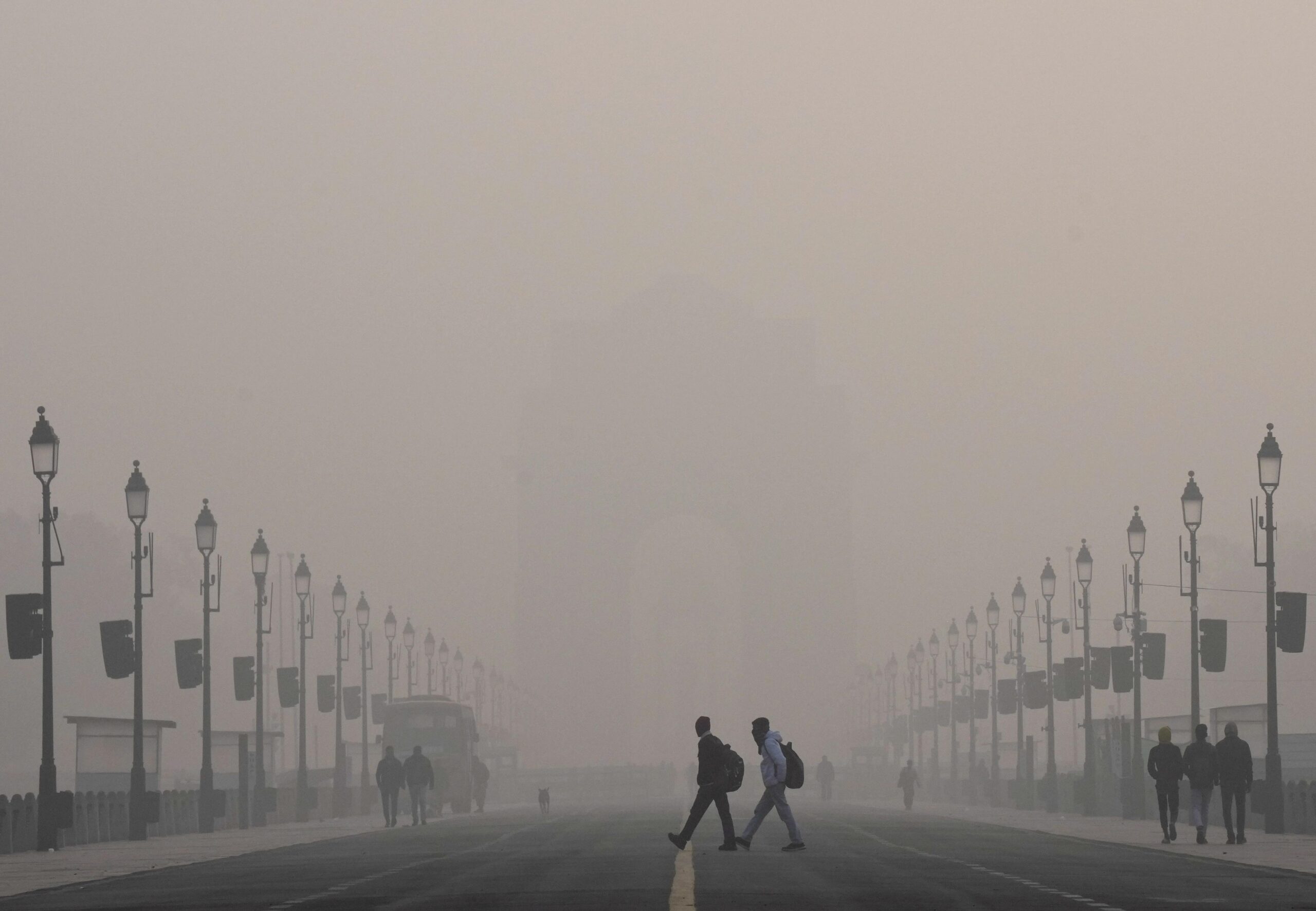
Delhi NCR Air Quality Falls Amid Early Pollution Curbs
Air quality across Delhi-NCR has deteriorated to “poor” levels this week, prompting authorities to initiate the first stage of emergency pollution controls under an established response framework. The development highlights the region’s ongoing struggle to manage air pollution beyond the winter season, raising concerns over the persistence of structural emission sources. With the air quality index crossing the 200 threshold, early interventions have been rolled out under the Graded Response Action Plan. Officials attribute the decline in Delhi NCR air quality to a combination of unfavourable weather conditions, including weak wind movement and rising temperatures, which limit the dispersion of pollutants. Forecasts suggest that these atmospheric patterns could continue in the short term, requiring sustained monitoring.
Stage 1 actions primarily target immediate and visible contributors such as road dust and construction activity. Municipal agencies have intensified mechanised cleaning of roads, increased water spraying in high-traffic areas, and stepped up inspections at construction sites to ensure compliance with dust control norms. Vehicle emission checks have also been reinforced. While these measures can offer short-term relief, urban experts argue they do not fully address deeper systemic challenges. The recurrence of declining Delhi NCR air quality in early summer months reflects the year-round nature of pollution pressures in the region. Construction dust, traffic congestion, and emissions from small-scale industries remain significant contributors, particularly in densely built areas. Urban planners suggest that without integrating pollution mitigation into infrastructure planning and project execution, such interventions risk becoming reactive rather than preventive. Environmental analysts also point to governance complexities within the National Capital Region, where multiple jurisdictions share responsibility for implementation. Coordinated enforcement remains a key challenge, with varying levels of compliance across cities potentially limiting the overall effectiveness of GRAP measures.
Strengthening inter-agency coordination and data sharing could improve response outcomes over time. Public health implications remain a pressing concern. Even at “poor” levels, Delhi NCR air quality can adversely affect sensitive groups, including children, older adults, and individuals with pre-existing respiratory conditions. Health experts stress the importance of timely public advisories and behavioural interventions, such as reducing private vehicle usage and encouraging cleaner modes of transport. The situation also underscores the link between air quality and urban design. Experts argue that long-term improvements will depend on structural changes, including expanding public transport networks, promoting non-motorised mobility, and increasing urban green cover. Reducing dependence on private vehicles and decentralising economic activity could play a significant role in lowering emissions.
As authorities work to stabilise Delhi NCR air quality in the coming days, the focus remains on containment. However, recurring episodes outside the traditional pollution season indicate that lasting solutions will require sustained policy alignment, infrastructure investment, and behavioural change. The effectiveness of current measures will ultimately depend on whether they evolve into a more comprehensive, year-round strategy for cleaner urban air.