


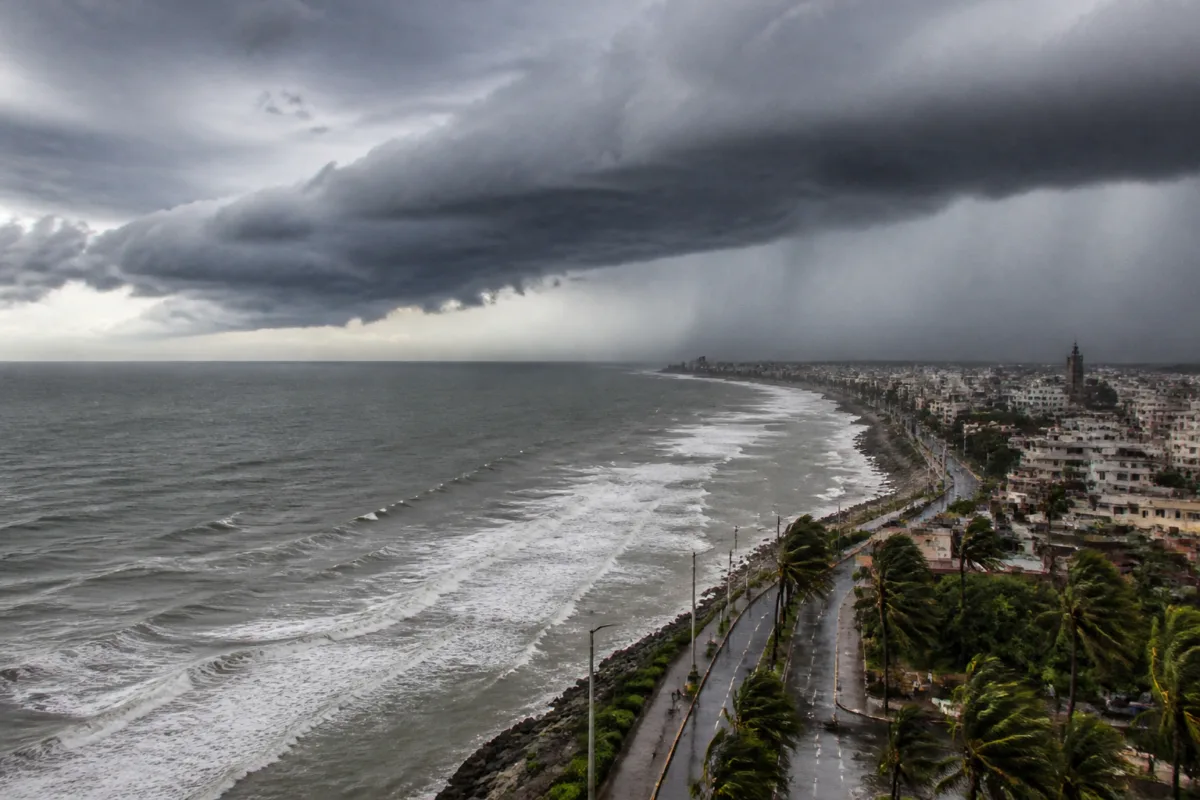
A possible second cyclone in the Bay of Bengal within a week is being reported under the name Cyclone Murasu, but the system has not yet been confirmed by the India Meteorological Department, according to a report by Pudhari. The report says the weather system could form on Sunday, November 1, and move towards the Andhra Pradesh coast on Monday, November 2.
The reported system could bring heavy to very heavy rainfall to coastal Andhra Pradesh on November 2. The information is significant for coastal districts that may need to monitor rainfall, wind and sea conditions, although the supplied report does not provide a confirmed cyclone bulletin, warning level or projected landfall location from the weather agency.
The possible cyclone would develop over the Bay of Bengal shortly after Cyclone Arnab, which the report says had recently formed in the same region. The report describes Murasu as a possible name from Sri Lanka’s list of cyclone names. It also explicitly states that the India Meteorological Department has not confirmed that name or the formation of the cyclone.
The report further says that Maharashtra may receive light rain across the state until November 5. It does not specify district-wise rainfall totals, warning categories or the likely effect of the reported Bay of Bengal system on individual cities in Maharashtra. As a result, the Maharashtra forecast should be treated as a reported weather outlook rather than a confirmed cyclone impact assessment.
The distinction matters because cyclone names, formation status and forecast tracks are formally established through official weather monitoring and bulletins. Until such confirmation is issued, the available information establishes only that a possible weather system is being discussed and that heavy rainfall has been forecast for coastal Andhra Pradesh on November 2, as reported by Pudhari.
Residents, local administrations and transport agencies in potentially affected areas would need to rely on official updates for decisions involving public safety, travel, drainage preparedness and coastal operations. The supplied report does not mention evacuation orders, school closures, transport restrictions or emergency measures.
The next key development is confirmation from the India Meteorological Department on whether a cyclone has formed, whether it will be named Murasu, and what track and intensity it may follow. Until that clarification, the reported cyclone remains a possibility rather than an established weather event.

