


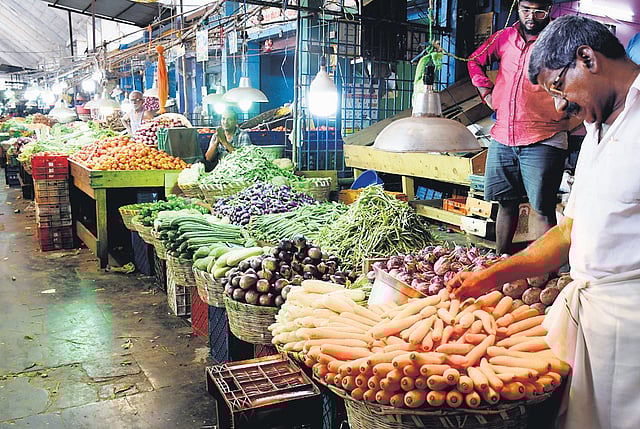
Chennai is experiencing a sharp escalation in vegetable prices as extreme summer temperatures disrupt supply chains, exposing the fragility of urban food systems under climate stress.
The spike in Chennai vegetable prices is affecting household budgets and small-scale food businesses, highlighting how environmental conditions are increasingly influencing economic stability in rapidly growing cities.Market arrivals have declined in recent weeks, with traders attributing the shortage to heat-related crop damage and reduced harvesting activity in key sourcing regions. Vegetables that typically form the staple of urban diets have become costlier, as transport conditions during peak summer further complicate distribution. Chennai’s dependence on supplies from neighbouring districts and states has amplified the impact, making the city particularly sensitive to fluctuations in agricultural output.The rise in Chennai vegetable prices is placing disproportionate pressure on low- and middle-income households, where food expenditure accounts for a significant portion of monthly income. Informal sector participants, including street vendors and small eateries, are also facing narrowing margins as they struggle to balance rising input costs with price-sensitive demand. Economists warn that sustained increases in food prices could contribute to broader inflationary trends, influencing consumption behaviour across urban economies.
Experts suggest that the current situation reflects deeper structural inefficiencies in urban food supply chains.Limited cold storage capacity, fragmented logistics networks, and insufficient integration between rural producers and urban markets leave cities vulnerable to seasonal and climate-induced shocks. Strengthening these systems through investment in storage infrastructure, improved transport networks, and digital supply monitoring could help stabilise availability and pricing.Urban planners are increasingly recognising food security as a critical component of city resilience. The surge in Chennai vegetable prices underscores the need to incorporate agricultural linkages into urban policy, including support for peri-urban farming and decentralised food distribution networks.Such measures can reduce dependence on distant supply sources and enhance the city’s ability to withstand disruptions.Climate change is expected to intensify these challenges, with more frequent heatwaves and erratic weather patterns affecting agricultural productivity. This calls for a shift towards climate-resilient farming practices and stronger coordination between agricultural and urban planning authorities.Integrating sustainability into food systems will be essential to ensure long-term affordability and accessibility.
As Chennai navigates the immediate pressures of rising prices, the focus is likely to turn towards building a more robust and adaptive food supply framework. Addressing vulnerabilities in production, storage, and distribution will be key to ensuring that urban populations remain protected from the economic and social impacts of climate-driven supply disruptions.
Also Read:Chennai Petroleum Rating Boosts Investor Confidence
