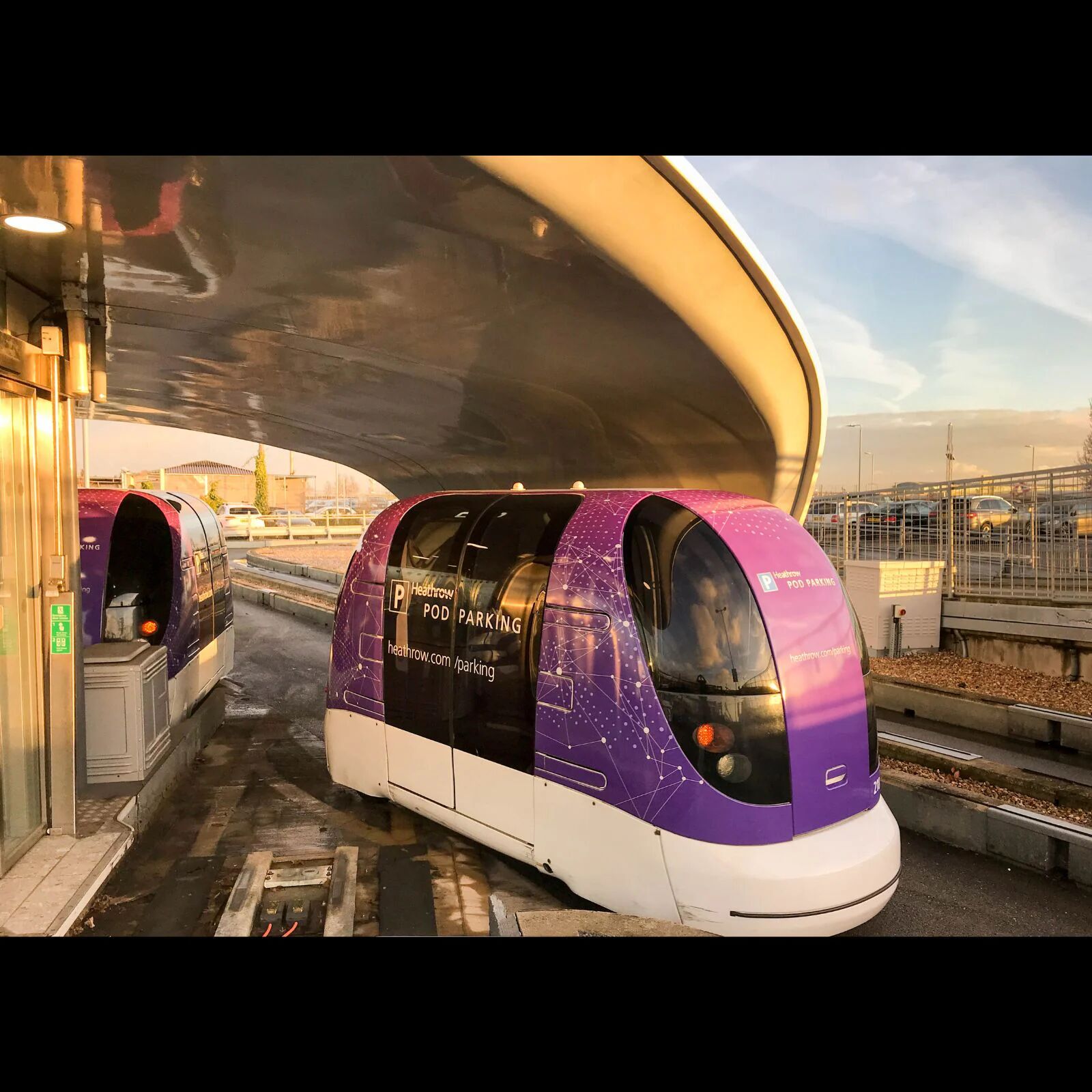
Chandigarh Mobility Push Explores Driverless Pod System
Haryana is evaluating the introduction of a driverless pod taxi system across key urban centres, marking a potential shift towards next-generation mobility solutions in cities like Chandigarh and Gurugram. The proposal, currently at an exploratory stage, reflects growing pressure on existing transport networks and the search for low-emission, high-efficiency alternatives.
The state government has initiated discussions with global technology firms to assess the feasibility of deploying an automated “pod taxi” system—small, on-demand vehicles operating on dedicated guideways. These systems are designed to function without drivers, offering point-to-point connectivity with minimal waiting time. Key aspects under consideration include route identification, investment models, and the possibility of implementation through public-private partnerships. Authorities are also examining how such a system could integrate with existing urban transport networks and future infrastructure pipelines. The proposed system falls under the broader category of Personal Rapid Transit (PRT), where compact pods—typically carrying four to five passengers—operate at moderate speeds on segregated corridors. This model is being positioned as a solution for reducing congestion, improving travel time reliability, and enhancing commuter convenience in high-density urban zones.
From a sustainability perspective, the initiative aligns with the push for cleaner urban mobility. Pod taxi systems are electric, energy-efficient, and designed to reduce reliance on private vehicles, potentially lowering carbon emissions and traffic congestion. However, experts caution that environmental benefits depend heavily on ridership levels and integration with broader public transport systems. Urban mobility specialists also point to the importance of corridor selection. Unlike metros, which serve high-capacity routes, pod systems are typically suited for shorter distances, feeder connectivity, or specific high-demand corridors such as business districts and transit hubs. Their effectiveness in large, complex cities will depend on how well they complement—not replace—existing systems. The Haryana pod taxi project also raises questions around cost efficiency and scalability. While initial investments in guideway infrastructure and technology can be substantial, proponents argue that lower operating costs and modular expansion make the system financially viable over time. Critics, however, highlight the risk of fragmented transport ecosystems if new systems are introduced without integration planning.
There are also governance and accessibility considerations. As with many smart mobility solutions, ensuring affordability and equitable access will be critical. Without careful policy design, such systems risk becoming niche services rather than mass transit solutions. The exploration comes amid mounting mobility challenges in the Chandigarh region, where rising vehicle ownership and limited road capacity have led to congestion and declining travel speeds. In this context, innovative transit solutions are increasingly being viewed as necessary complements to traditional infrastructure expansion.
While the project remains at a conceptual stage, its progression will depend on detailed feasibility studies, financial structuring, and alignment with national urban mobility frameworks. If implemented effectively, the Haryana pod taxi project could signal a shift towards more flexible, technology-driven transport systems in India’s emerging urban corridors.